
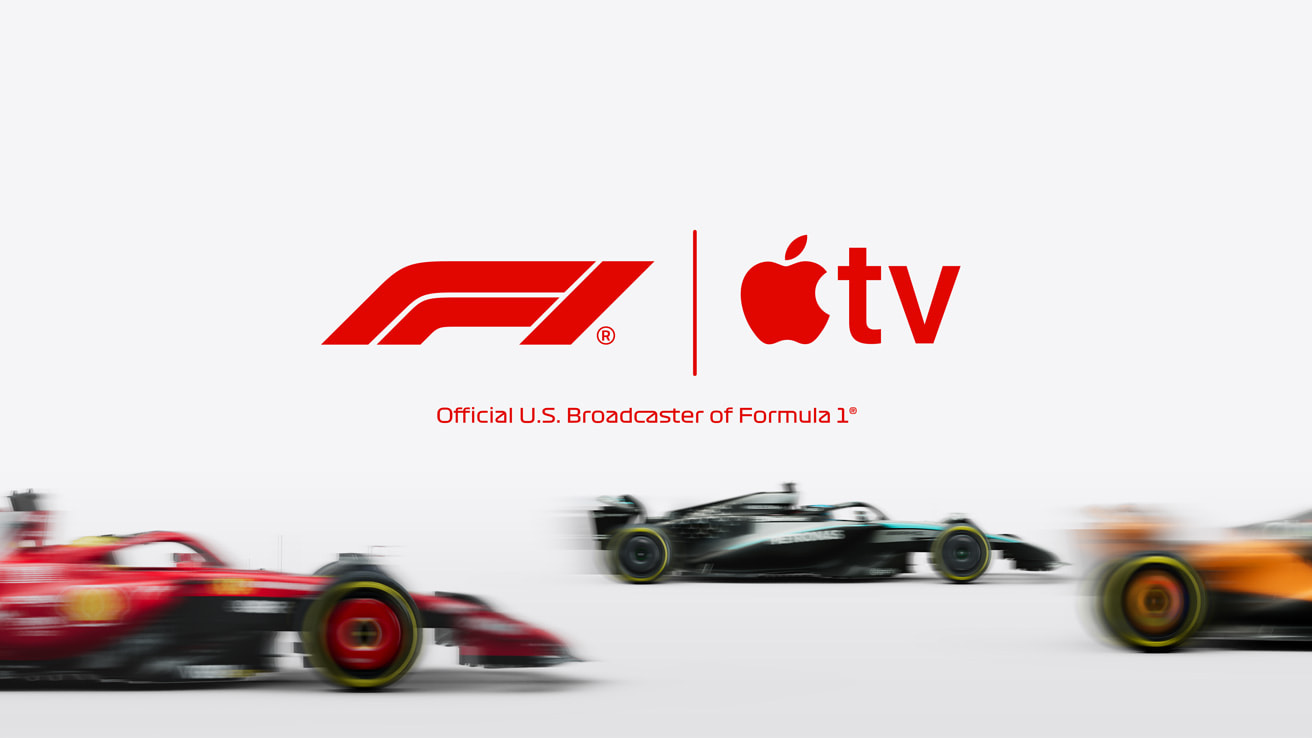
Apple TV’s Formula 1 takeover: a strategic masterstroke or short-term gamble?
Formula 1 has fundamentally transformed its American broadcasting landscape, announcing a five-year exclusive partnership with Apple TV beginning in 2026, replacing ESPN after years of building momentum on traditional cable television. The deal reportedly values at approximately $150 million annually (totaling around $750 million over five years), a significant increase from ESPN's reported $90 million yearly commitment.
This partnership represents far more than a simple broadcast rights transfer—it signals F1's confidence in Apple's technological capabilities and financial resources, while simultaneously raising critical questions about accessibility, sponsor visibility, and whether the sport is prioritizing immediate revenue over sustainable American growth.
The foundation: how an oscar-contending film built Apple's F1 credentials
Apple's entry into F1 broadcasting didn't arrive unannounced. The tech giant spent three years collaborating closely with the sport to produce "F1: The Movie," which premiered in cinemas and IMAX venues in June 2025. The film became a commercial phenomenon, grossing nearly $630 million globally and establishing itself as the most successful sports movie in history. With the film's global streaming debut on Apple TV in December 2025, the company effectively demonstrated its ability to captivate both casual audiences and dedicated F1 enthusiasts.
This precedent gave Apple considerable leverage in negotiations, showcasing that the company could authentically represent the sport to American viewers while maintaining editorial quality and fan engagement.
The broadcast details: what's free, what's behind the paywall
Under the new arrangement, all practice sessions, qualifying, Sprint races, and Grands Prix will be available to Apple TV subscribers, with select races and all practice sessions also offered for free within the Apple TV app throughout the season. The existing F1 TV Premium service will now be bundled with Apple TV subscriptions exclusively in the U.S. and will be free for those who already subscribe to Apple's streaming platform.
Apple plans to leverage its broader ecosystem, amplifying F1 across Apple News, Apple Maps, Apple Music, Apple Sports, and Apple Fitness+, creating a multimedia experience designed to integrate motorsport into the company's lifestyle offerings.
The controversy: sponsors and accessibility in the crosshairs
Despite the fanfare surrounding the partnership, the deal has triggered substantial criticism from stakeholders concerned about Formula 1's commercial health in America.
Sponsor balue and logo impressions
In motorsport sponsorship, television exposure directly translates to financial value through logo impressions during broadcasts, onscreen graphics, pit lane coverage, and podium celebrations. Linear television has traditionally delivered the highest media value due to broader reach, creating hundreds of millions of impressions per race across millions of households.
Currently, F1 attracts 1.3 million viewers per race across ESPN, ESPN2, and ABC—a 17% increase from 2024's full-season average. Moving behind a paywall threatens this exposure. Industry analysts estimate that even a 50% viewership drop to approximately 650,000 viewers would translate to 15-20 million fewer sponsor impressions per race—a potentially devastating impact for teams and their commercial partners.
The broader audience accessibility question
Apple TV's global subscriber base stands at approximately 45 million, with an unknown—likely smaller—American portion. This represents a dramatic contraction compared to ESPN's cable reach, which extends to tens of millions of households through traditional TV bundles and streaming services. Critics argue that F1, at its peak American momentum following the Netflix docuseries Drive to Survive and consistent ESPN exposure, is sacrificing long-term audience growth for immediate financial gain.
The paywall model essentially contradicts F1's stated mission to maximize U.S. growth potential, potentially alienating casual fans who previously accessed races through cable broadcasts.
Apple's counter-argument: innovation and premium experience
Apple executives have framed the partnership differently, emphasizing technological innovation and elevated fan experiences. Eddy Cue, Apple's Senior Vice President of Services, stated that the company will deliver "premium and innovative fan-first coverage to our customers in a way that only Apple can."
This suggests Apple plans to deploy advanced production techniques, interactive features, and seamless integration with other Apple services—capabilities that traditional broadcasters may struggle to match. For subscribers, this could mean enhanced camera angles, personalized viewing experiences, and real-time statistics integration unavailable on linear television.
The 2026 inflection point: new teams, new regulations, new era
The timing of Apple's takeover coincides with a transformative regulatory reset for Formula 1. Beginning in 2026, the sport introduces new power unit regulations, chassis designs, and aerodynamic specifications. Most significantly, Cadillac, under the General Motors brand, joins the grid as a new American team—a historic moment that could drive unprecedented U.S. viewership.
This convergence of new technology, American team representation, and Apple's production capabilities presents a compelling narrative: that 2026 represents a genuine turning point where exclusive streaming distribution doesn't represent a step backward, but rather a calculated pivot toward a modernized, tech-forward fanbase.
The verdict: growth investment or audience sacrifice?
The Apple TV deal encapsulates a fundamental tension in modern sports broadcasting: immediate financial security versus long-term audience development. F1's leadership has essentially wagered that Apple's technological prowess, integrated ecosystem, and financial commitment will eventually deliver viewers who either accept the paywall or access free promotional content. Simultaneously, the sport accepts the risk of alienating casual American viewers and potentially compromising sponsor returns during a critical growth phase.
For sponsors, teams, and traditional F1 media analysts, the calculus remains unsettling—even if Cadillac's American team and revolutionary 2026 regulations deliver record-breaking viewership on Apple TV, the sport has fundamentally restructured how American audiences access the sport.
Whether this represents strategic prescience or a costly miscalculation will become evident by 2027, when viewership data, sponsor sentiment, and Cadillac's on-track performance provide definitive answers.