
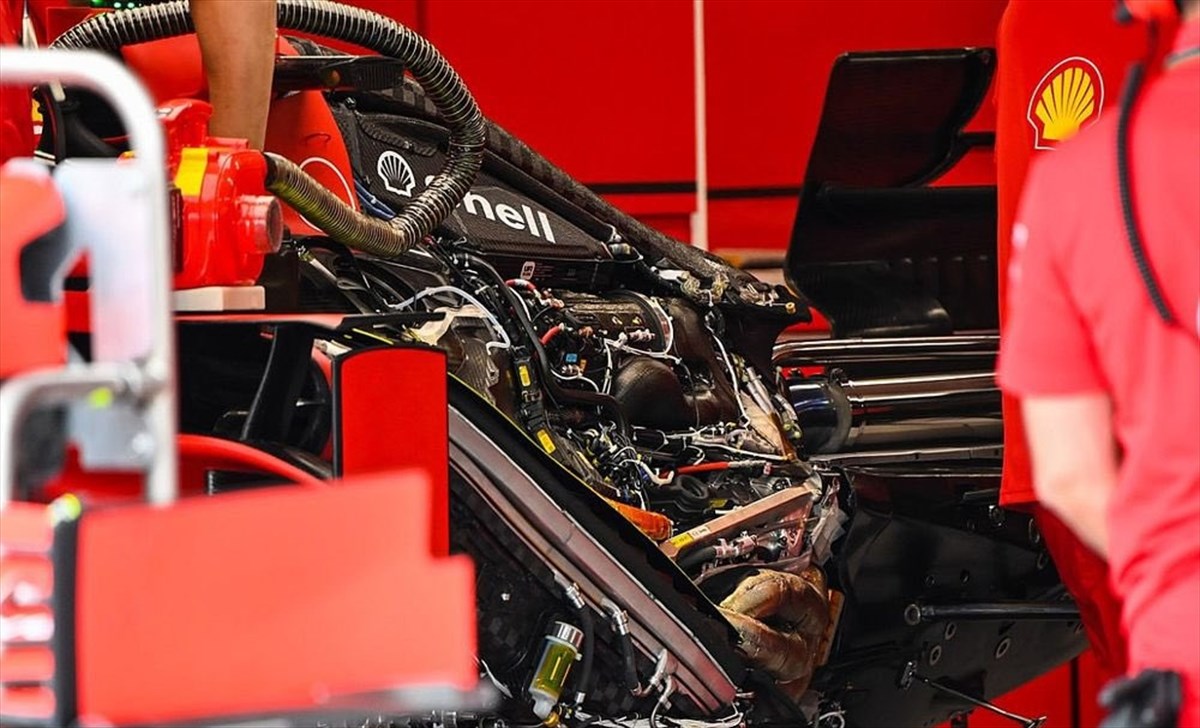
Ferrari 2026 engine problems: power shortfall rumors rock Maranello, threaten Cadillac F1 debut
Ferrari's 2026 power unit faces serious power output concerns, reportedly lagging behind rivals like Rd Bull and Mercedes, according to insiders from Maranello. This development threatens not only Scuderia Ferrari's championship aspirations but also the debut of the Cadillac F1 team, which will rely on Ferrari engines. As rumors swirl from sources like GPFans and AutoRacing1, the F1 world braces for potential upheaval in the new regulations era.
Technical Breakdown of Power Unit Woes
The 2026 power unit regulations mark a seismic shift in Formula 1, emphasizing sustainability with a 50/50 split between internal combustion engine (ICE) power and electric boost from the MGU-K, while eliminating the MGU-H. Ferrari's unit, codenamed "Project 670," is said to produce disappointing peak power—described as "leaving much to be desired" compared to benchmarks from Red Bull and Mercedes. Insiders whisper of integration issues between the turbocharged 1.6-liter V6 ICE and the overhauled energy recovery system, potentially yielding 5-10% less output than projected 1,000+ horsepower figures.
These shortfalls stem from challenges in thermal efficiency and battery deployment under the new rules, where electric power must sustain longer without exhaust energy recovery. Ferrari engineers, drawing from dyno testing at Maranello, have reportedly struggled with overheating in high-load scenarios, echoing early 2025 hybrid tweaks but amplified by the regs overhaul. Neutral analysis suggests this isn't catastrophic yet—Ferrari leads in PU development hours logged—but closing the gap requires rapid iteration before the February 2026 freeze.

Historical Echoes of Ferrari's Engine Struggles
Ferrari's current predicament invites stark parallels to past power unit debacles that scarred the Scuderia's legacy. In 2014, post-V6 hybrid introduction, Ferrari's 059/3 unit underperformed Mercedes' dominant powerplant, costing podiums amid reliability gremlins and fuel flow controversies. The 2019 woes were even grimmer: a secretive "double mapping" scandal led to FIA-mandated downgrades, plummeting Ferrari from pole contenders to midfield fodder, with Charles Leclerc's Monza win a rare bright spot.
Fast-forward to 2022-2023, when token-limited development stifled Ferrari's response to Red Bull's RBPT-RB18 dominance, exposing integration flaws between chassis and PU. Today's 2026 alarms mirror these: overambitious designs clashing with regulatory realities, as Renault engineers allegedly confide Ferrari's dyno numbers trail their own by meaningful margins. Yet history offers hope—Ferrari rebounded ferociously in 2024, securing wins with Lewis Hamilton's arrival boosting morale. The pattern? Maranello thrives under pressure, but delays risk repeating 2019's lost season.

Impact on Hamilton and Leclerc's Title Hopes
For Lewis Hamilton and Charles Leclerc, the dream tandem entering 2026, engine woes cast a long shadow over their championship ambitions. Hamilton, lured by Ferrari's promise of an eighth title post-inauguration synergy with Fred Vasseur, now faces a PU that could blunt his qualifying edge—where raw power decides pole positions. Leclerc, already vocal about 2025 inconsistencies, grows "restless" per reports, his Monegasque precision demanding seamless power delivery for overtakes and tire management.
In a dueling scenario, intra-team harmony frays if one car extracts more from the grid-limited units. Predictions hinge on winter testing: if Ferrari trails Mercedes (projected PU leaders) by 0.5 seconds per lap, Hamilton's experience might salvage strategy plays, but Leclerc's raw speed suffers most in sector straights. Casual fans see star power; hardcore enthusiasts note Ferrari's 2025 resurgence (multiple wins) positions them to mitigate via aero wizardry, but PU parity is non-negotiable for a title fight.
Cadillac's Precarious Ferrari-Powered Debut
Cadillac's 2026 grid entry, greenlit by FIA and F1 after TWG's Andretti bid pivot, hinges entirely on Ferrari customer engines—a double-edged sword amid these rumors. The American outfit, backed by GM's muscle but chassis-inexperienced, aimed for midfield respectability, loaning Ferrari test mules for shakedowns. Yet a underpowered PU risks dooming them to backmarker status, à la Haas's early struggles despite Ferrari ties.
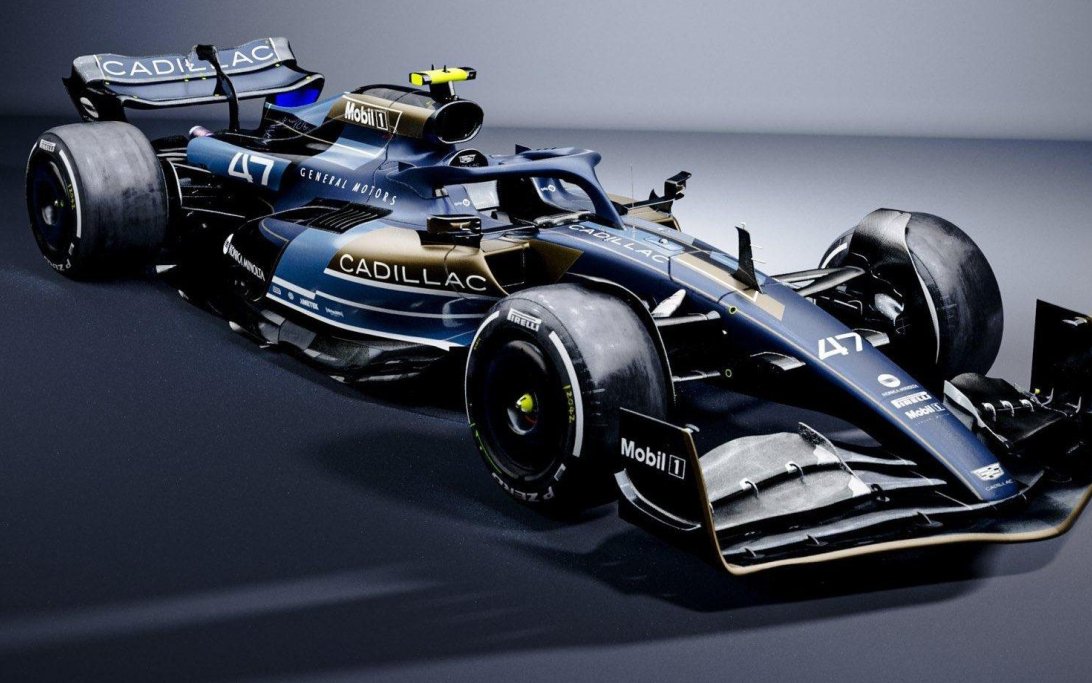
Team principal Graeme Lowdon eases fears, stressing "testing a team, not a car," but insiders flag dyno discrepancies complicating Cadillac's aero mapping around the SF-26-derived unit. For 2026's 11th team slot, this amplifies pressure: Ferrari supplies engines to Haas and now Cadillac, stretching Maranello's resources under cost caps. Neutral view? Cadillac's US market pull (Trump-era patriotism boosting F1 stateside) buys time, but power gaps could mirror Sauber's 2010s Ferrari dependency woes—loyalty without wins.
Expert Opinions and Rival Benchmarks
Experts diverge on severity. The Judge13 insider labels Ferrari's PU "in trouble," citing Mercedes whispers of superior output via Alpine's hyper-efficient battery packs. Conversely, YouTube analysts like WTF1 dismiss as "nonsense," pointing to Ferrari's 2025 dyno dominance and 2026 investment surge. Mercedes, post-Hamilton exit, eyes PU supremacy with advanced ERS; Alpine leverages truck tech for torque; Honda's RBPT fusion impresses in sims.
Maranello sources counter with "intense development," prioritizing 2026 over 2025's tail-end, per team principal statements. Hardcore fans debate on Reddit: some foresee Ferrari black-box tricks closing gaps; others predict Mercedes-Hamilton reunion irony flipped.
2026 Season Predictions Amid Uncertainty
Looking ahead, Ferrari resolves mid-2026 via upgrades, netting 3-4 wins if aero compensates power (50% of lap time). Hamilton edges Leclerc 280-260 points in a Mercedes-Red Bull duel, with Cadillac scraping Q2 hauls. Worst case: PU woes sideline Ferrari to P3 constructors, Cadillac winless like 2016 Haas.
Optimistic scenario leverages Lewis's input—recent reports confirm "flat-out" fixes for his preferences. Casual observers: blockbuster Hamilton-Leclerc rivalry endures. Experts concur: regs reward adaptability; Ferrari's heritage (16 titles) trumps transients. By Abu Dhabi 2026, power parity restores order—or ignites chaos.