
Vasseur’s calculated gambit: why Ferrari’s potential engineer switch could redefine Hamilton’s 2026 campaign
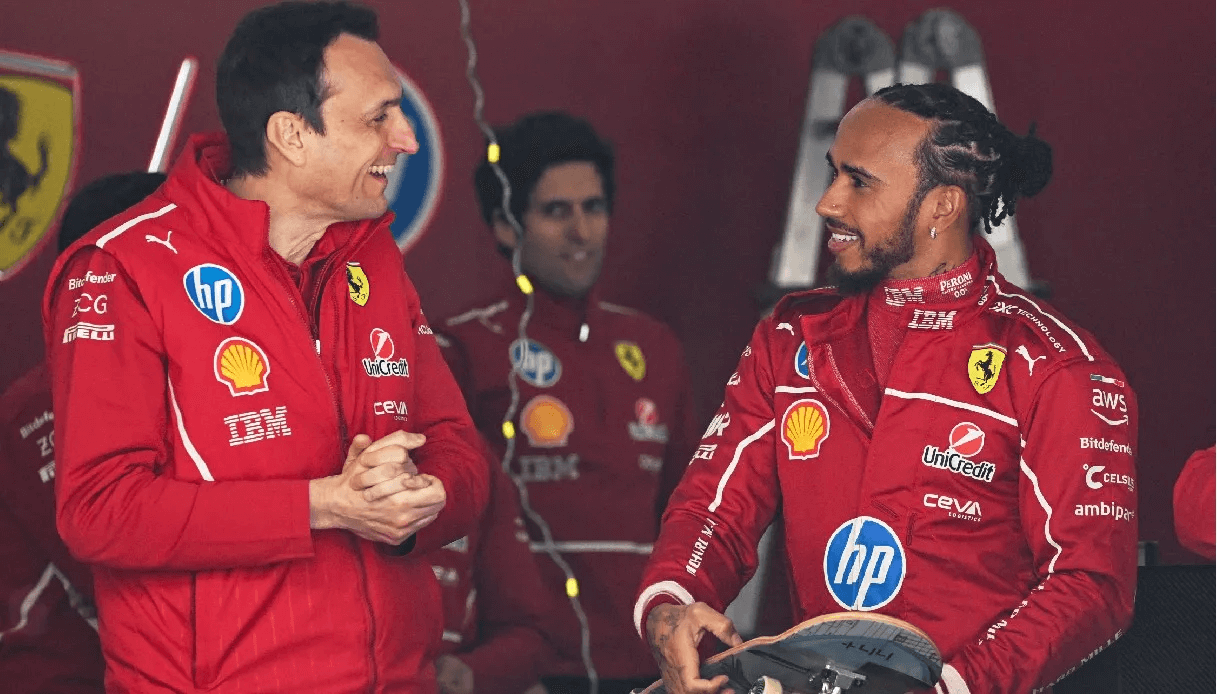
Lewis Hamilton’s inaugural campaign at Ferrari will be remembered not for the romanticism of the "Red Dream," but for a cascade of operational obstacles that extended far beyond mere mechanical performance. The seven-time world champion, a driver accustomed to a decade of surgical optimization within the Mercedes ecosystem, encountered something entirely unexpected in 2025: a systemic mismatch that transcended aerodynamic correlation and tire degradation. Now, as the Scuderia stands at the precipice of Formula 1’s most significant regulatory transformation in a generation, Team Principal Frédéric Vasseur has signaled a move that could fundamentally reshape the twilight of Hamilton’s career—the evaluation of a total overhaul in his race engineering support structure.
The 2025 autopsy: a statistical anomaly in Maranello
The statistics from Hamilton’s first year in red are, by any objective standard, sobering. For the first time in his storied 18-year career, Lewis Hamilton failed to record a single podium finish across an entire season. This is not merely a dip in form; it is a statistical rupture for a driver who has redefined the sport’s record books. Finishing 86 points adrift of teammate Charles Leclerc, Hamilton found himself in the unfamiliar position of being the clear "second" car in terms of points contribution, a deficit that exposes issues far more profound than raw driving capability.
The visible manifestation of these underlying tensions materialized consistently through the team radio. Throughout 2025, numerous exchanges between Hamilton and his race engineer, Riccardo Adami, became viral focal points for analysts and fans alike. These were not just moments of high-stress heat; they were snippets of dialogue that revealed a persistent friction in interpretation and execution. Whether it was the timing of "mode" changes, the clarity of traffic gaps during qualifying out-laps, or the nuanced feedback regarding mid-corner understeer, the shorthand that defines elite driver-engineer partnerships was conspicuously absent.
The psychology of the race engineer: beyond the data
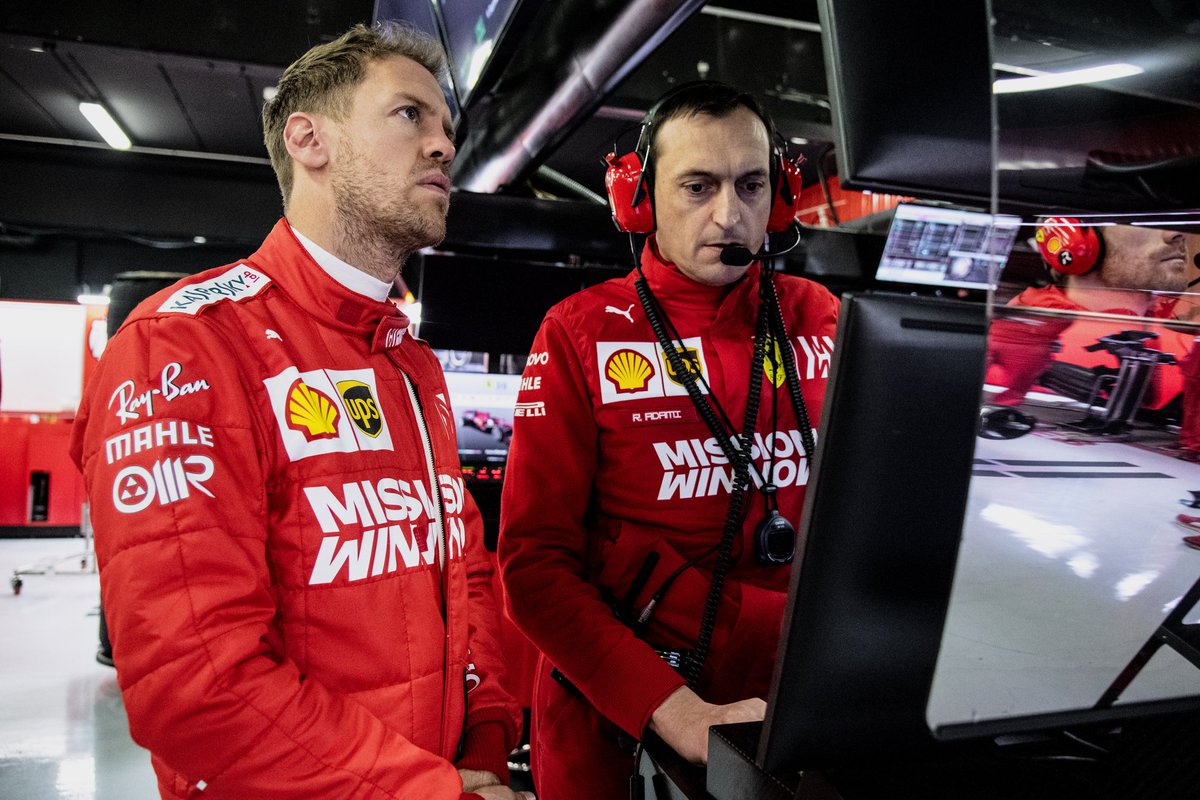
In the high-pressure vacuum of a Formula 1 cockpit, the race engineer is more than a technical advisor; they are the driver’s external brain, their psychological anchor, and their primary filter for a mountain of live telemetry. For twelve years, Hamilton benefited from the "Bono" factor—his relationship with Peter Bonnington at Mercedes was characterized by a near-telepathic understanding. Bonnington knew exactly when to push Hamilton, when to provide silence, and how to translate Hamilton’s subjective "feel" into objective mechanical adjustments.
Transplanting a driver of Hamilton’s specific requirements into the Ferrari structure, where Riccardo Adami had previously honed a successful but different rhythm with Sebastian Vettel and Carlos Sainz, was always going to be a challenge. However, the 2025 season proved that "competence" is not the same as "compatibility." Adami is a world-class engineer, but the linguistic and procedural "lag" between his delivery and Hamilton’s expectations resulted in a measurable loss of performance. When Vasseur states he is "evaluating all options" for 2026, he is acknowledging that in the pursuit of thousandths of a second, a "good" relationship is no longer sufficient—it must be optimal.
Technical friction: the language of performance
To understand why Vasseur is considering such a drastic change, one must look at the technical nuances of a modern F1 weekend. A race engineer must synthesize data from the MGU-K deployment, tire carcass temperatures, and brake wear, all while managing the driver’s mental state.
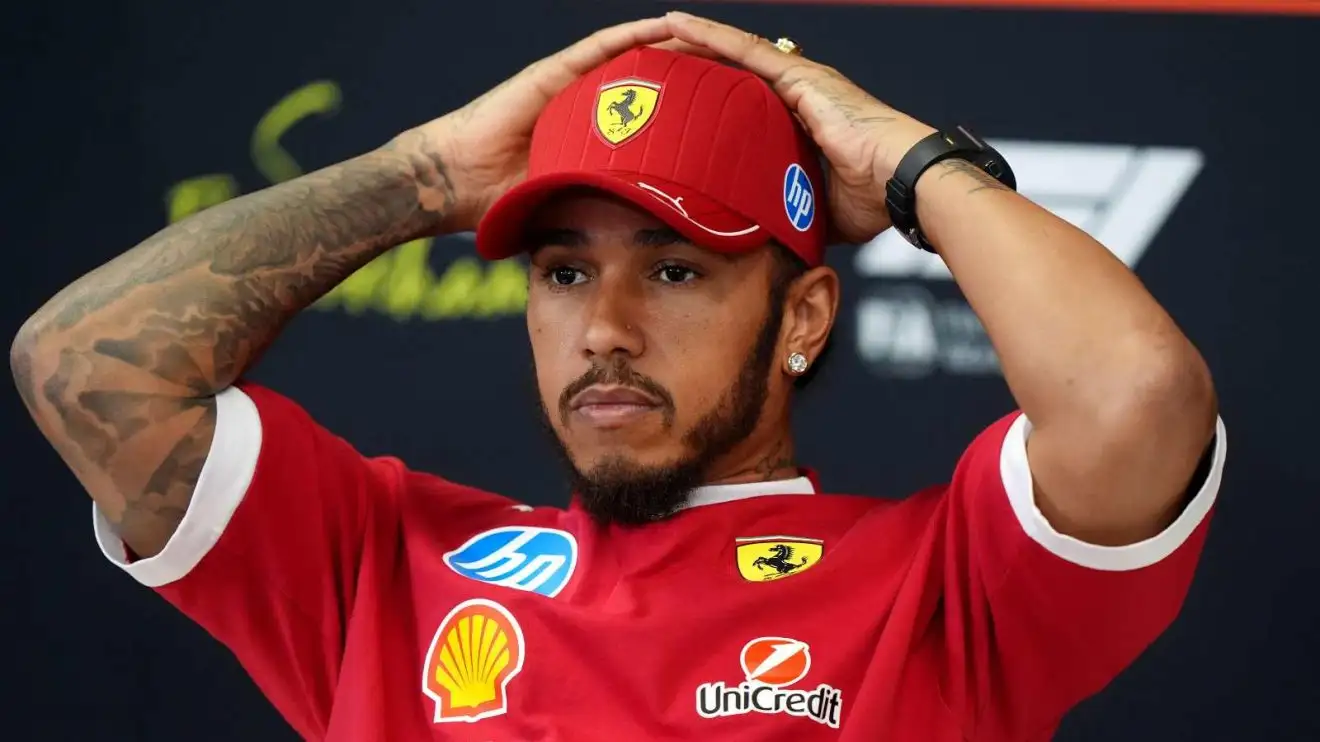
During the 2025 season, Hamilton frequently questioned strategic calls and setup directions mid-race. This suggests a breakdown in the "pre-event" alignment. If a driver does not implicitly trust the data being fed to them, they begin to over-analyze from the cockpit, which consumes the cognitive load required for limit-handling. In the ground-effect era, where the operating window of the floor is incredibly narrow, a driver needs to be "at one" with their engineer to find the sweet spot of the car’s ride height and stiffness. The 86-point gap to Leclerc was not just a result of Leclerc’s undeniable speed; it was the result of Leclerc having a settled, intuitive engineering relationship that allowed him to maximize the SF-25’s potential while Hamilton was still "translating" his needs to the pit wall.
Vasseur’s pragmatic revolution
Frédéric Vasseur’s tenure at Ferrari has been defined by a ruthless pragmatism that contrasts sharply with the traditional, often bureaucratic, Ferrari of old. He has shown a willingness to look outside Maranello for talent and to break established hierarchies if they do not serve the goal of winning.
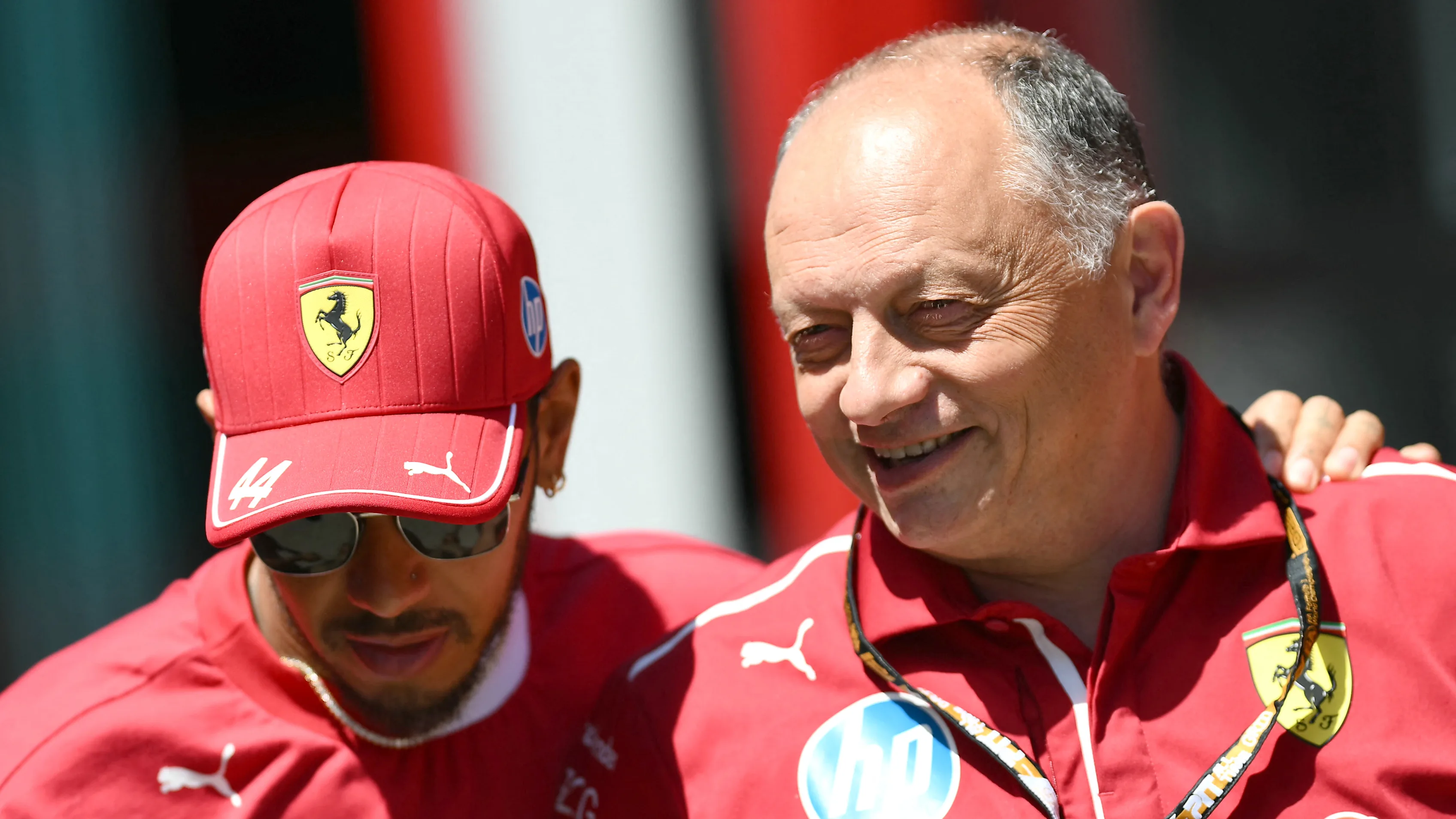
By publicly admitting that the engineering structure around Hamilton is under review, Vasseur is sending a clear message: no one is "safe" based on tenure alone. This is a "performance-first" culture. Vasseur understands that the 2026 regulation reset—which introduces entirely new power units with a 50/50 electrical-to-internal combustion split and active aerodynamics—is Ferrari’s best chance to end their championship drought. To enter that era with a driver-engineer pairing that is still struggling with basic communication would be a strategic failure.
The 2026 horizon: why the switch is non-negotiable
The 2026 regulations represent a clean sheet of paper. The cars will be smaller, lighter, and feature significantly more complex energy management strategies. The role of the race engineer will shift from being a "monitor" to being a "tactical navigator" of energy deployment.
If Hamilton is to challenge for an eighth world title, he needs an engineer who can speak his language fluently from day one of winter testing. There is speculation about whether Ferrari will attempt to lure a senior figure from another team or promote a younger, more "Hamilton-aligned" engineer from within the ranks. Regardless of the choice, the goal is clear: eliminate the "adaptation penalty" that hampered 2025.
The 2026 power units will require drivers to be more involved in energy harvesting and deployment strategy than ever before. This requires a level of trust in the engineer’s instructions that Hamilton clearly lacked at times in 2025. Vasseur’s "calculated gambit" is to disrupt the current stability in favor of a higher performance ceiling.
Historical context: the Schumacher blueprint
History shows that Ferrari’s most successful eras were built on bespoke structures. When Michael Schumacher joined in 1996, he didn't just bring his driving talent; he brought a technical nucleus including Ross Brawn and Rory Byrne. While Hamilton did not bring "Bono" with him due to contractual complexities at Mercedes, the need for a "bespoke" environment remains the same.
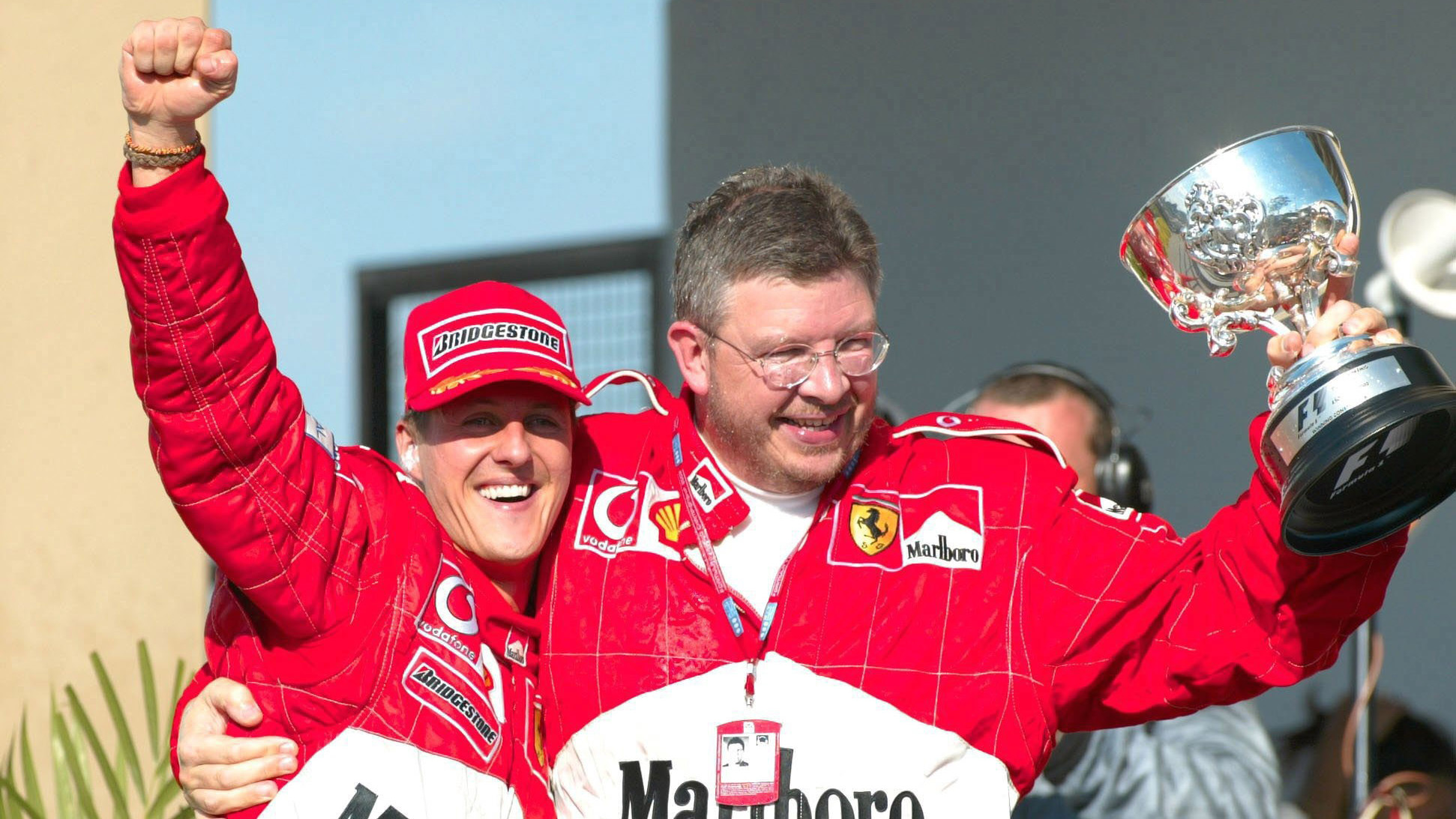
Ferrari has often struggled with the "integration" of superstar drivers who have strong opinions on how a team should function. From Alain Prost to Fernando Alonso, the friction between a dominant driver and the "Ferrari Way" has often led to premature exits. Vasseur is attempting to avoid this by molding the "Ferrari Way" to fit Hamilton, rather than forcing Hamilton to fit a mold that clearly didn't work in 2025.
Conclusion: the stakes for Hamilton’s legacy
Lewis Hamilton did not move to Maranello to finish fifth in the standings and struggle with radio protocols. He moved to Ferrari to achieve the impossible—winning a title with the sport’s most iconic team after a period of dominance elsewhere.
The 2025 season was a wake-up call for both the driver and the team. It proved that the "Hamilton brand" alone isn't enough to overcome operational misalignment. Vasseur’s willingness to change Hamilton’s race engineer is a bold admission that the status quo failed. If the switch happens, it will be the clearest sign yet that Ferrari is fully committed to the Hamilton project, treating it not as a marketing exercise, but as a genuine championship assault.
As the 2026 regulations loom, the "engineer question" is the most critical variable in the Scuderia’s equation. If they get it right, we may yet see the version of Lewis Hamilton that dominated the sport for a decade. If they get it wrong, the 2025 struggles may just be the beginning of a frustrating final chapter for the greatest driver of his generation.