


Max Verstappen's touching bond with 'Uncle Michael' Schumacher illuminates F1's greatest legacies
The personal connections that define motorsport's greatest figures often transcend the competitive arena, as evidenced by Max Verstappen's recent candid reflections on his relationship with seven-time world champion Michael Schumacher. In a revealing interview with Swiss outlet Blick, the Red Bull driver opened the door to a cherished chapter of his life, one intertwined with the German legend who remains etched in F1 folklore. What emerged is a portrait not merely of professional admiration, but of genuine familial affection forged during the sport's most transformative era.
A foundation built on team-mate bonds
The roots of this extraordinary connection run deep into Formula 1 history. Verstappen's father, Jos Verstappen, competed alongside Schumacher as team-mates at Benetton during the legendary 1994 season—a campaign that witnessed Schumacher's maiden world championship. Rather than remaining professional acquaintances, the two drivers and their families cultivated a lasting friendship that would endure for decades, transcending the typical transience of paddock relationships.
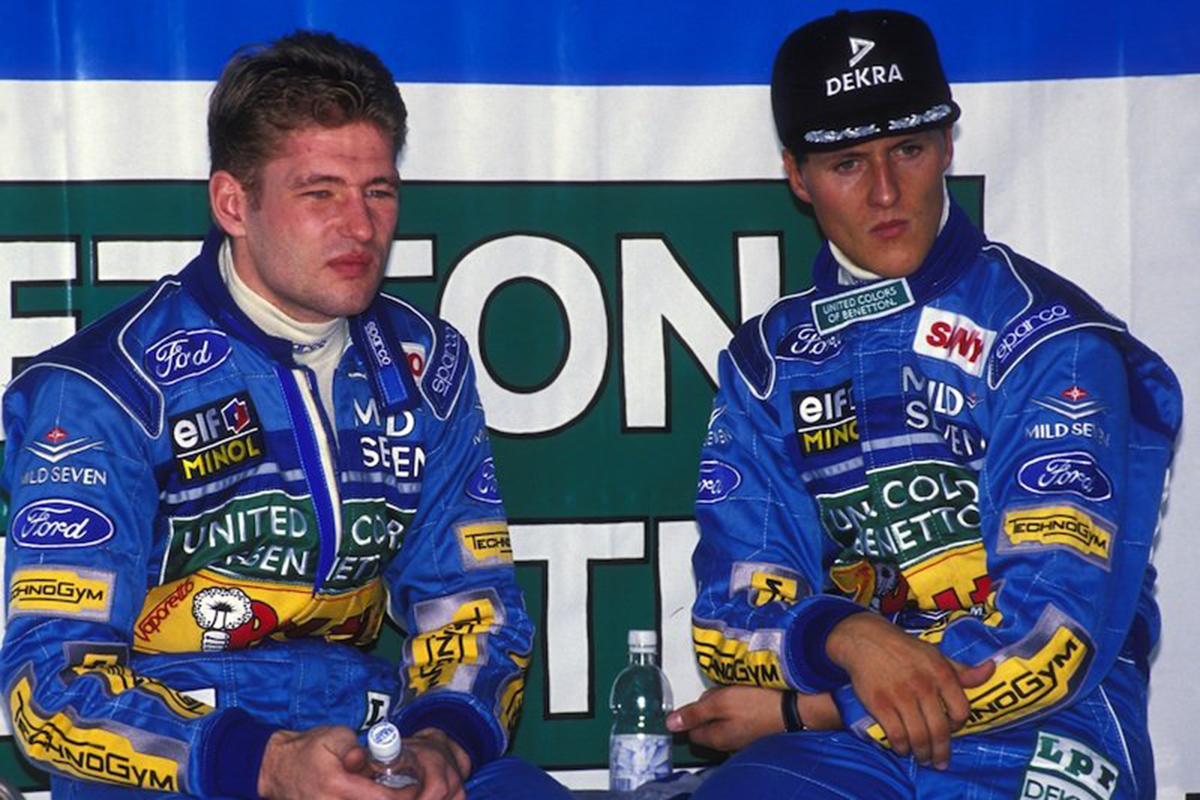
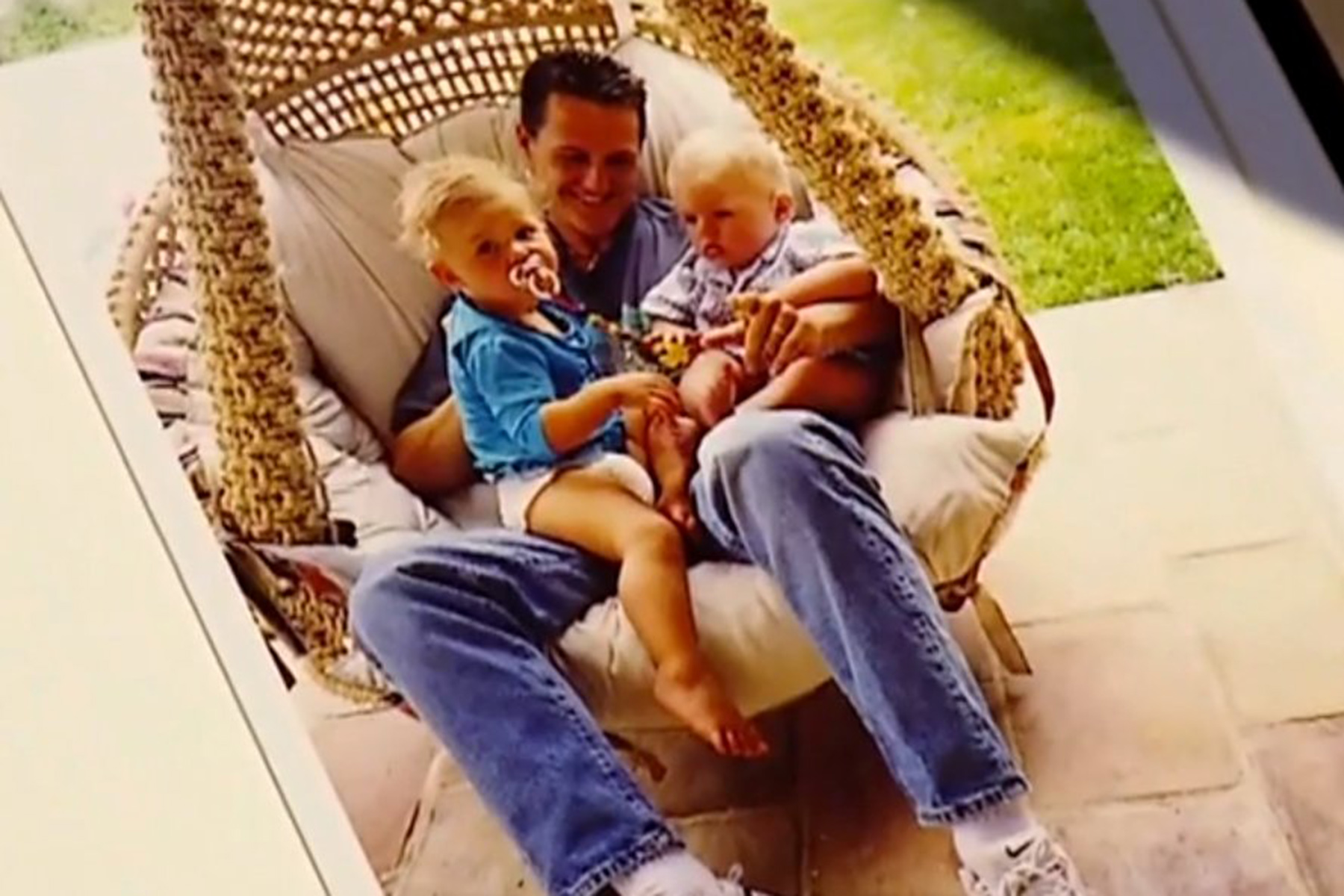
"A wonderful memory, filled with pictures and videos. Because my father Jos was Schumacher's team-mate at Benetton in 1994, the families stayed in touch for many years afterward. We even spent a few holidays together. I knew him as Uncle Michael," Verstappen revealed in the interview.
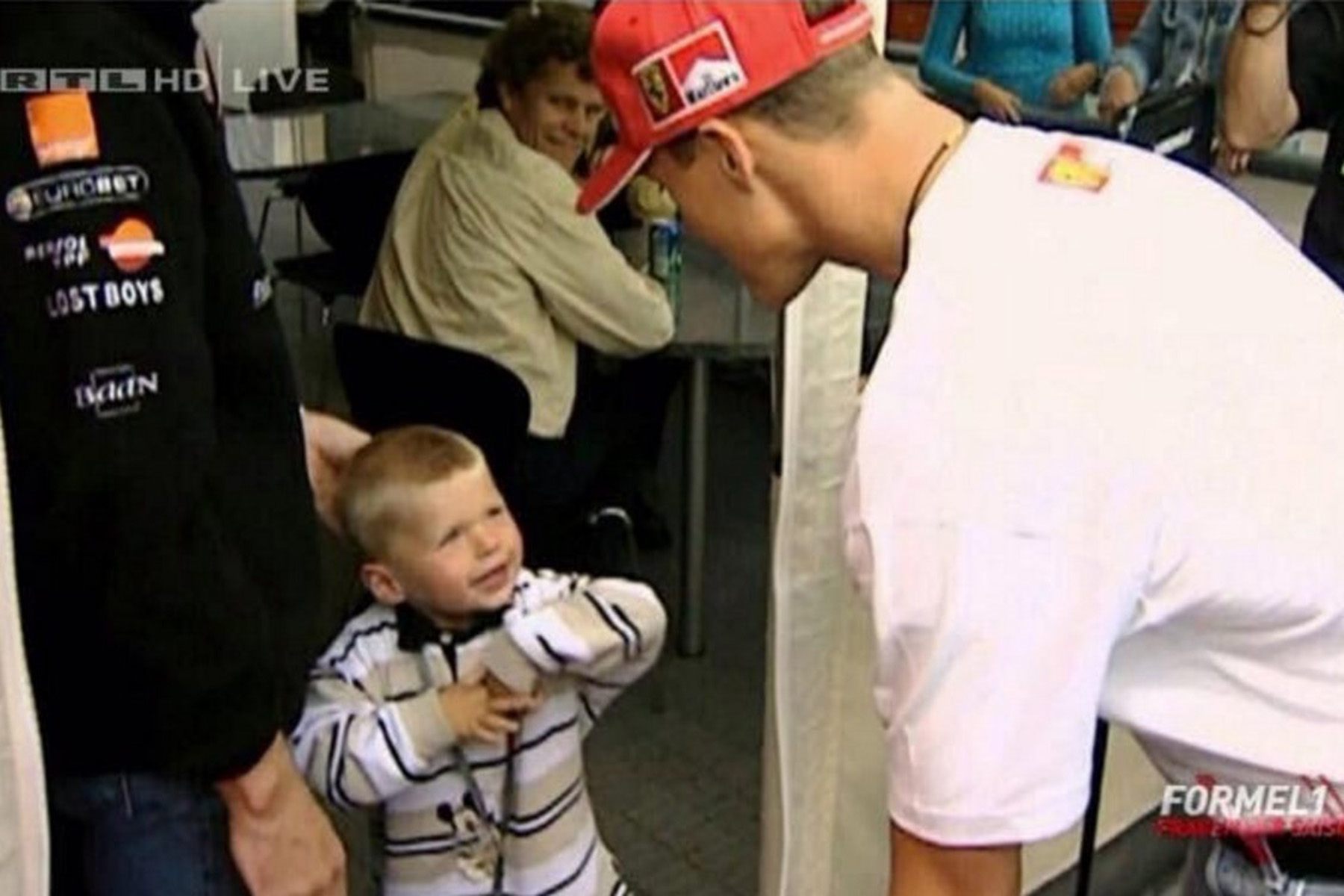
This disclosure reframes iconic paddock imagery—particularly a youthful, blonde-haired Verstappen photographed alongside the Ferrari legend during Schumacher's Maranello years—as intimate family moments rather than mere promotional moments.
Character beyond championship glory
Verstappen's reflections transcend nostalgic anecdotes, offering profound insight into Schumacher's dual nature: the relentless competitor and the devoted family man.
"He was a driver who worked tirelessly and gave his all. For him, only victory mattered, regardless of how it was achieved. On the track, he was, like me, completely focused. But at home, he cared for his family and gave them the attention they deserved," the Dutchman articulated.
This characterization provides meaningful context for understanding Schumacher's legendary seven world championships and the singular determination that propelled him to motorsport immortality. Yet crucially, it humanizes the narrative—Schumacher emerges not as an automaton programmed for victory, but as a multidimensional figure who compartmentalized his competitive fury with familial devotion.
Closing in on immortal records
As Verstappen progresses through his own elite career trajectory, the statistical parallels between the two drivers become increasingly striking. At just 28 years old, Verstappen stands merely 20 race victories from equalling Schumacher's all-time tally of 91 wins. He boasts 127 podium finishes against Schumacher's 155, positioning him for potential supremacy in this benchmark within the 2026 season.
Yet certain Schumacher achievements remain formidable monuments. The German driver maintains the record for five consecutive world championships—a distinction Verstappen narrowly failed to secure following his championship challenge in 2025. Schumacher's 68 pole positions exceed Verstappen's current 48, and his extraordinary 51 victories achieved from non-pole-position starts—a testament to his mid-field recovery mastery—compares to Verstappen's 34.
Perhaps most impressively, Schumacher remains the sole driver to achieve a perfect podium record across an entire season, standing on the rostrum in all 17 races during the truncated 2002 campaign. Verstappen's closest approximation came via his dominant 2023 season, when he secured podiums in 21 of 22 races—a 95.45 percent strike rate.
A legacy transcending competition
The significance of Verstappen's remarks extends beyond personal sentimentality or statistical comparison. His candid reflections illuminate a truth often obscured by the intensity of modern Formula 1: beneath the helmet-mounted cameras and competitive rivalries exist genuine human connections that define the sport's fabric. The "Uncle Michael" revelation demonstrates how motorsport's golden epochs produce not merely champions, but mentors and role models whose influence reverberates through generations of drivers.
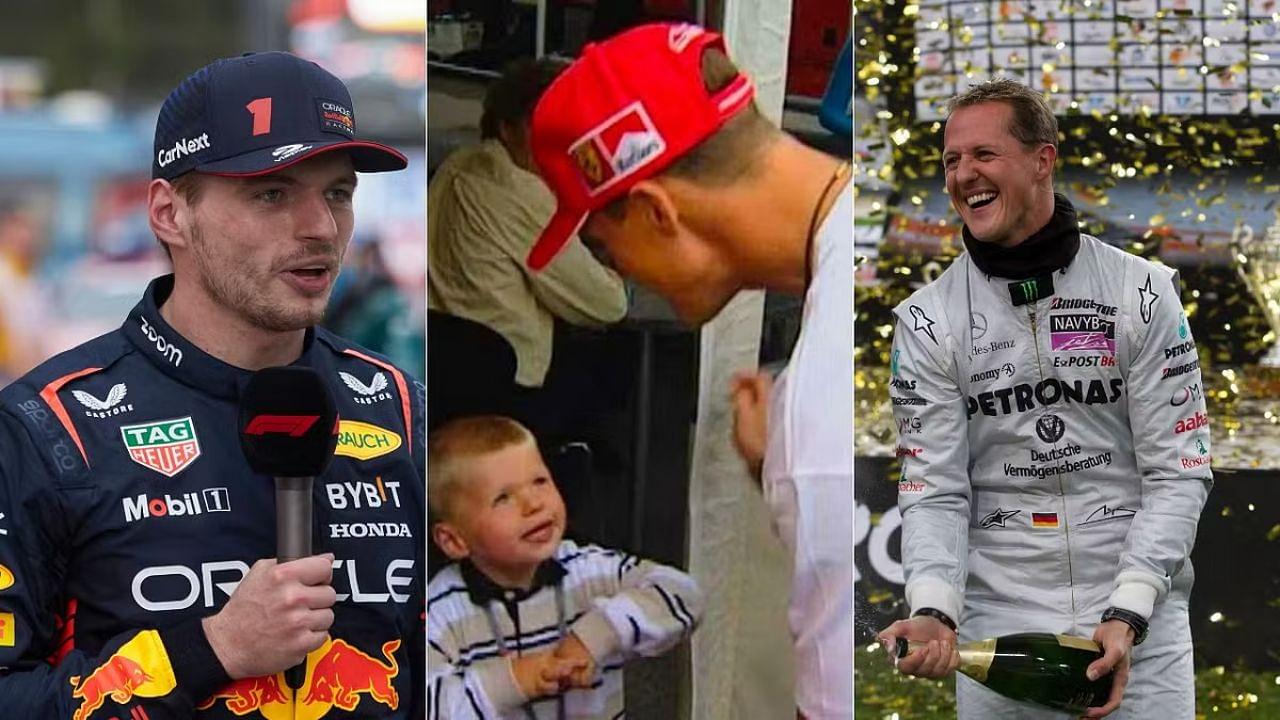
For Verstappen, who finds himself increasingly referenced alongside Hamilton, Senna, and Schumacher in conversations about F1's pantheon, this tribute to his childhood hero carries particular weight—a reminder that legacy encompasses not only podium finishes and record books, but the relationships forged and values transmitted within the paddock's intimate fraternity.