
The entitlement factor: how Toto Wolff diagnoses Christian Horner's Red Bull downfall
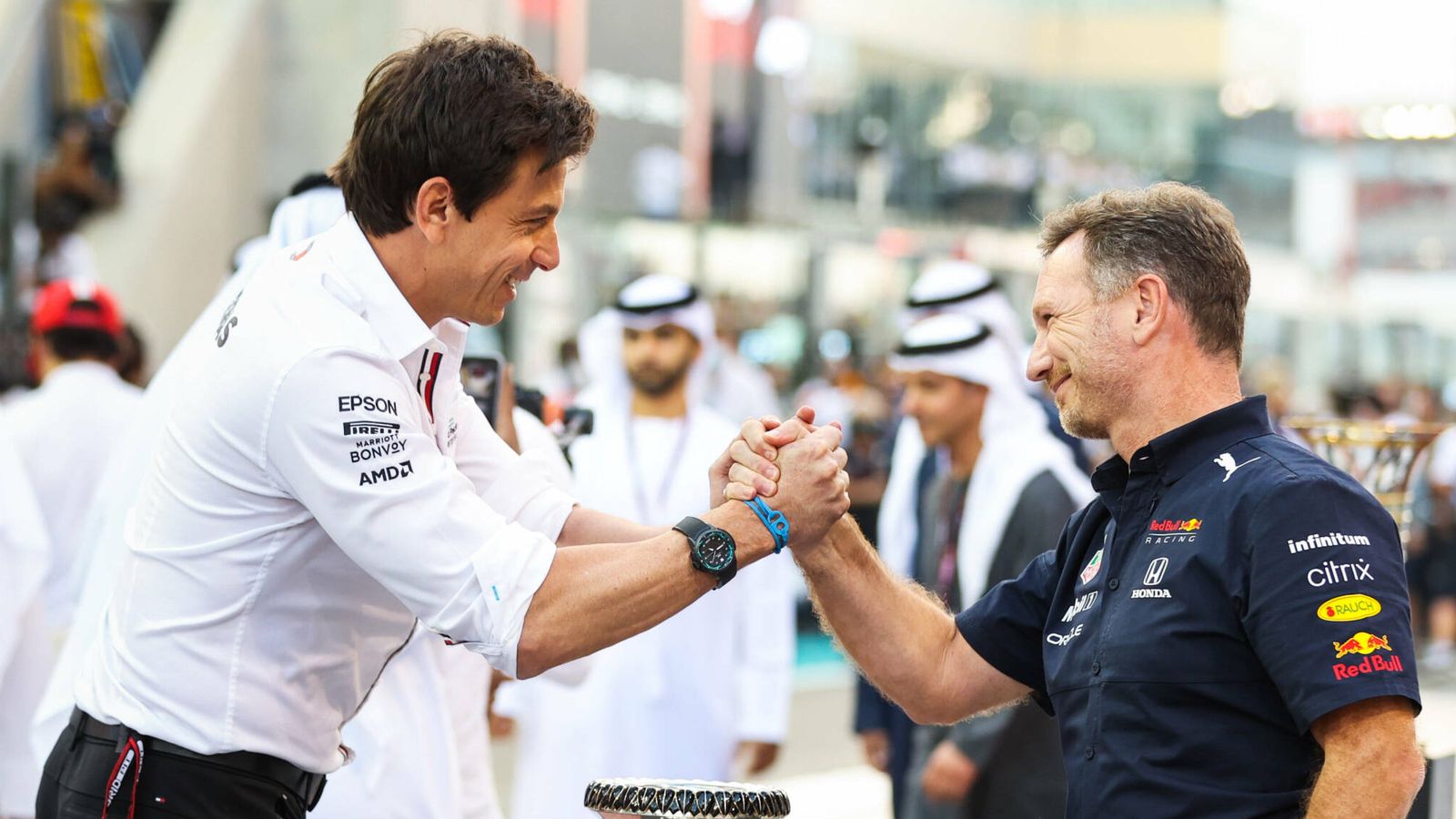
In what may be one of the most revealing post-mortems on a high-profile Formula 1 exit, Toto Wolff has offered a searing analysis of Christian Horner’s sacking from Red Bull. Pinpointing a character flaw he believes orchestrated the downfall of the sport's longest-serving team principal, Wolff identified a pervasive "sense of entitlement" as the catalyst for Horner's professional demise. The Mercedes boss, who spent over a decade locked in one of sport’s most visceral rivalries with Horner, has provided unprecedented insight into the psychological dynamics that he believes contributed to the end of an era at Milton Keynes.
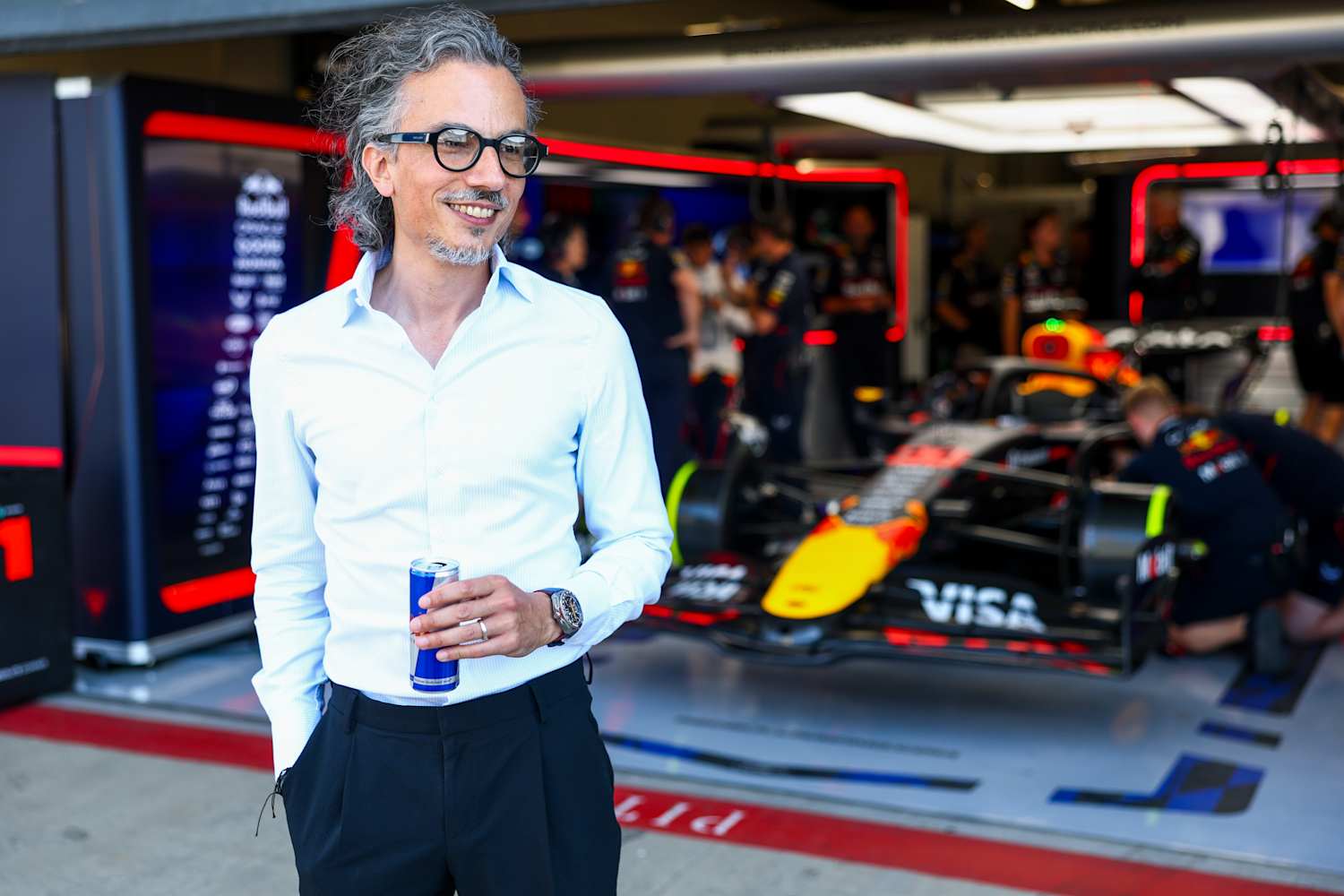
Horner’s departure in July 2025—just three days after a tumultuous British Grand Prix—marked the conclusion of a transformative twenty-year tenure. Under his leadership, Red Bull Racing evolved from a "party team" into a ruthless championship-winning machine, accumulating eight drivers’ championships and six constructors’ titles. Yet, despite this unprecedented success, the organizational upheaval that saw Laurent Mekies assume the role of team principal signals that Horner’s grip on power had become untenable. For Wolff, the reason was clear: Horner had begun to believe his own myth.
The entitlement thesis: a personality gap
When addressing the Telegraph in a recent candid interview, Wolff articulated a precise diagnosis of Horner’s character that extends far beyond typical industry rivalry. According to the Mercedes principal, Horner’s inability to acknowledge mistakes—particularly his refusal to accept the objective injustice of the 2021 Abu Dhabi Grand Prix outcome—demonstrated a personality that could not operate from a place of introspection or mutual understanding.
"It’s the sense of entitlement he has," Wolff explained with characteristic bluntness. "And that bit him in the end, because he felt entitled to all the power, and Red Bull didn’t want to give him that power."
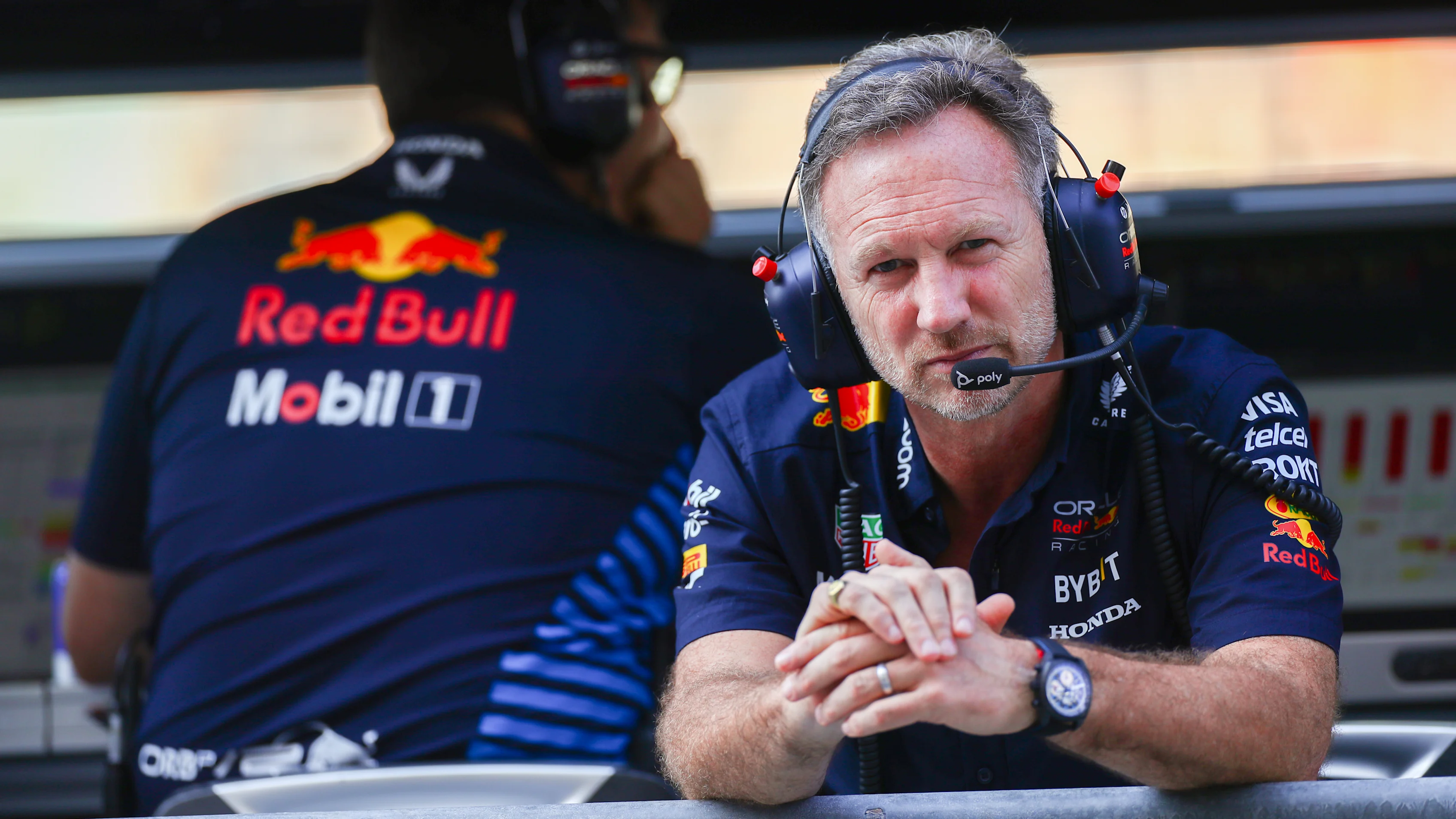
This assessment represents more than mere post-rivalry commentary; it is a critique of a leadership style that Wolff views as fundamentally flawed. Wolff suggested that Horner’s unwillingness to admit fault created an asymmetrical dynamic between the two rivals. While Wolff has often demonstrated the capacity to view situations from multiple perspectives—acknowledging, for instance, that Max Verstappen was a "deserving champion" despite the controversial circumstances of his first title—Horner maintained an absolutist stance that could never accommodate the legitimate grievances of his adversaries.
"I try to look at it from the other side," Wolff stated, articulating his contrasting approach. "And from their point of view, they deserved to be world champions... but Christian was never able to admit the same—that if it was the other way round and had happened to them that day, it would have been catastrophic, and he would have come up with all kinds of insults."
This philosophical gap appears fundamental. Wolff identified a critical "total gap in his personality"—the inability to be introspective or to extend compassion toward opposing viewpoints. For a man who built his career on operational dominance and unwavering conviction, such personality traits may have proven an asset in navigating the cutthroat world of the 2010s. Yet, in a modern corporate environment increasingly focused on collective decision-making and stakeholder alignment, such inflexibility evidently became a liability.
The Abu Dhabi reckoning: still fresh wounds
The spiritual center of the Wolff-Horner feud remains the December 2021 season finale in Abu Dhabi. It was the moment that defined their rivalry and, according to Wolff, the moment that most clearly exposed Horner’s "entitlement." With Lewis Hamilton on course to claim a record-breaking eighth world championship, a late-race safety car following Nicholas Latifi’s crash presented an opportunity for Red Bull’s strategic gambit.
Race director Michael Masi’s controversial decision to allow only the lapped cars between Hamilton and Verstappen to overtake the safety car—a clear misapplication of the sporting regulations—placed Verstappen on fresh Pirelli tires directly behind Hamilton with a single lap remaining. The Dutchman’s consequent overtake clinched his maiden championship in the sport’s most contentious finish in decades.
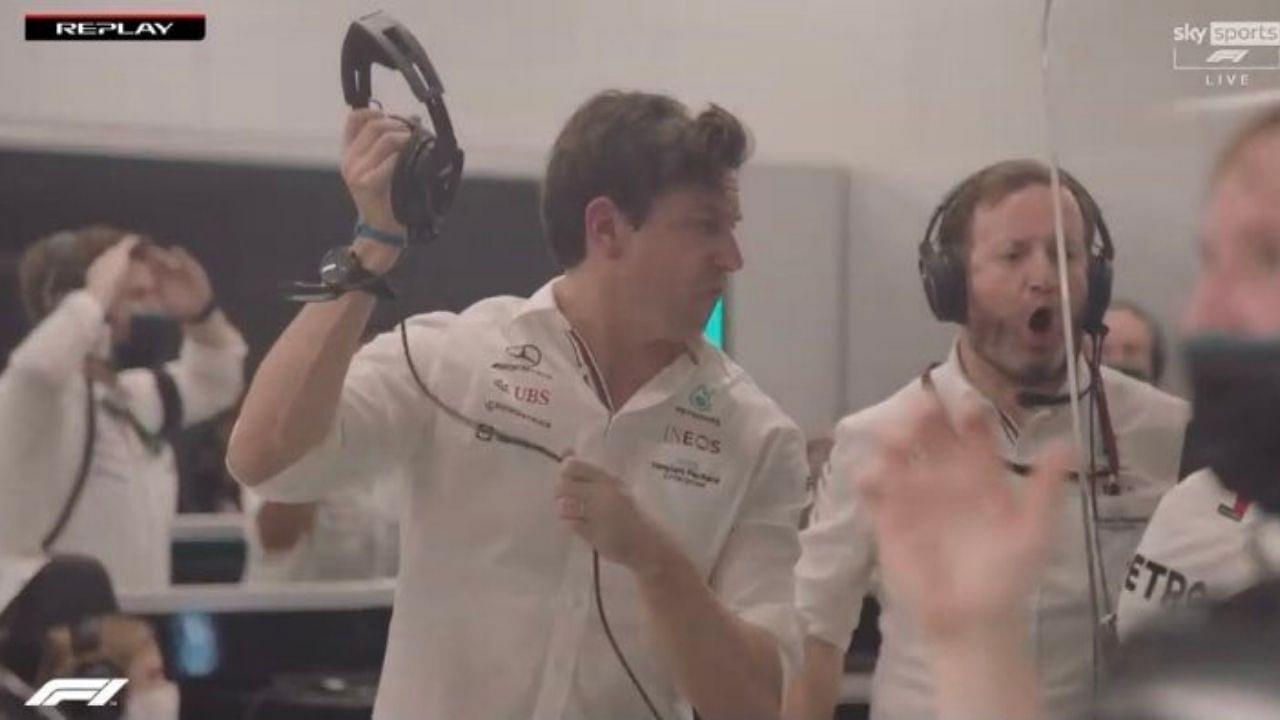
The FIA subsequently acknowledged Masi’s error in applying the rules, and he was ultimately removed from his position. Yet more than four years later, the wound remains unhealed for Mercedes. Wolff recently referred to Masi as a "lunatic" for the decision, demonstrating the enduring psychological impact of that afternoon. What compounds the frustration for Wolff, however, was Horner’s refusal to acknowledge the procedural failure.
"He was never able to admit it," Wolff reflected. Despite possessing the intellectual capacity to recognize that Masi’s interpretation was flawed, Horner never extended to Wolff or Hamilton the grace of admitting that their victory had been facilitated by an unjust ruling. This intransigence appears, in Wolff’s estimation, emblematic of a deeper character deficiency—an inability to separate partisan interest from objective reality.
"I talk to Lewis about it every day and so does he," Wolff told the Telegraph, underscoring how the incident continues to occupy mental real estate. "I think about it every day... the referee made a bad call, to use a football analogy, and you can't reverse it. The goal has been scored, the game is finished. But you expect the other side to at least acknowledge the referee's error."
A polarizing legacy: the "asshole" he misses
Despite his unsparing criticism, Wolff has demonstrated a curious ambivalence about Horner’s exit from the sport. When asked about the Briton’s departure, the Mercedes principal offered a more nuanced assessment, acknowledging that Horner, though he "has behaved like an asshole quite often over the last 12-15 years," also represented something increasingly rare in modern Formula 1: an old-school team principal with genuine personality and conviction.
"He was extremely successful in what he did," Wolff conceded. "Now that he’s gone, at least for a while, a real personality has left the sport. He was controversial and divisive, but he was one of the main characters here. We can safely say that he was as significant as one of the drivers."
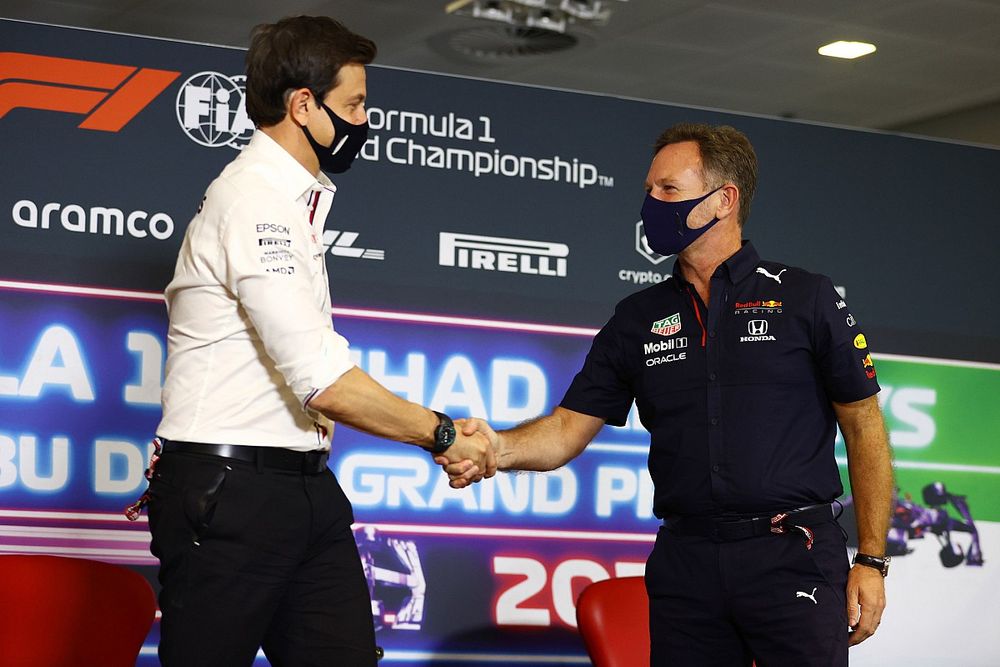
This duality reflects the complex nature of their rivalry. The 2021 season was not merely a championship battle between Hamilton and Verstappen; it was, in Wolff’s own words, "also about Christian and me." The feud has since entered Formula 1 folklore as one of the sport’s greatest interpersonal conflicts, the kind of narrative that transcends technical specifications and becomes about the fundamental clash of human egos.
When asked whether the recognition of their feud as an "all-time great moment" brought him motivation, Wolff responded with characteristic wit: "Who should I hate now? It looks like I’ll have to find someone else."
The structural reality: why Red Bull moved on
While Wolff focuses on the psychological aspects, the structural reality of Red Bull’s decline cannot be ignored. By the time of Horner’s sacking in July 2025, Red Bull had slipped to fourth in the constructors’ championship. McLaren, led by Andrea Stella, had secured back-to-back titles, and the technical advantage once enjoyed by the RB-series cars had evaporated.
The on-track performance no longer justified the off-track turbulence that Horner’s combative approach generated. Red Bull’s ownership, navigating the post-Dietrich Mateschitz era, appears to have concluded that a more collaborative and less autocratic approach was required. The appointment of Laurent Mekies represents precisely this shift—a more measured, less confrontational alternative whose arrival has reportedly resulted in a more harmonious relationship with the FIA and other paddock participants.
Wolff’s analysis suggests that Horner’s "entitlement" led him to believe he was bigger than the brand itself. In an organization where power was once centralized in a few key figures (Horner, Adrian Newey, and Helmut Marko), the shifting sands of corporate governance eventually left Horner isolated. When the results dipped, the "shield" of his past successes—the four consecutive titles with Sebastian Vettel and the dominant run with Max Verstappen—was no longer enough to protect him from internal scrutiny.
Conclusion: the end of the "dinosaur" era
Toto Wolff’s reflections on Christian Horner’s departure encapsulate the complexity of power dynamics in Formula 1’s upper echelons. A sense of entitlement—the belief that one’s position is unassailable by virtue of past accomplishments—can indeed become a fatal vulnerability when organizational priorities shift. Horner’s 20 years of success may have paradoxically insulated him from the need to adapt, compromise, or acknowledge perspectives beyond his own.
For Wolff, the loss of his great rival represents something more than professional relief. It marks the end of an era of personality-driven conflict that made Formula 1 compelling in ways that technical regulations alone cannot manufacture. Whether the sport benefits from the departure of such "dinosaurs," as Wolff jokingly characterized himself and his remaining contemporaries, remains an open question.
As the paddock moves forward under a new generation of leaders like Mekies and Stella, the shadow of the Wolff-Horner feud will loom large. It serves as a cautionary tale for any leader in a high-stakes environment: success is a temporary lease, and entitlement is the quickest way to lose the keys. For now, Wolff remains the last man standing from the sport's most explosive executive duel, left to contemplate a paddock that is significantly quieter, and perhaps a little less interesting, without his favorite "asshole" to fight.