
Verstappen's dream Le Mans project with Alonso: decoding Formula 1's most tantalizing post-career 'Super Project'
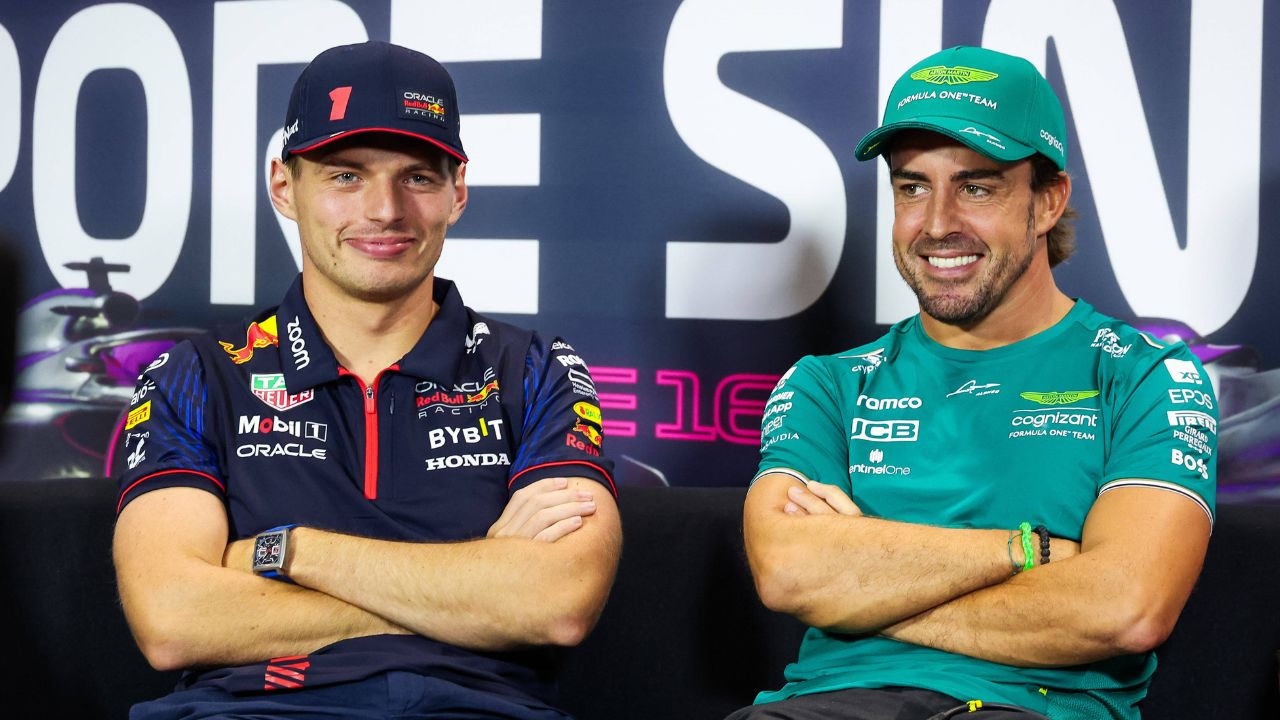
The motorsport world has been electrified by Max Verstappen's latest revelation about his future beyond Formula 1, and it centres on one of the sport's most storied events and one of its most decorated drivers. During his end-of-season reflections, the four-time world champion made a striking admission: if he were to pursue Le Mans 24 Hours glory, there is one driver he would want as his teammate "more than 99 per cent of the others." That driver is Fernando Alonso, and the implications of this statement extend far beyond a simple casual remark. This isn't merely two racing legends daydreaming about endurance racing—it represents a carefully considered strategic partnership that could reshape the landscape of hypercar competition when Verstappen eventually transitions away from the pinnacle of single-seater racing.
The partnership that motorsport has been waiting for
The notion of Verstappen and Alonso teaming up at Le Mans isn't a new concept, but Verstappen's recent comments provide unprecedented clarity on the depth of this ambition. Speaking to Viaplay in his end-of-season interview, Verstappen didn't mince words: "It would be a great opportunity. I'd rather have him in the car than 99 per cent of the others." This isn't casual speculation from the Dutch driver—it's a deliberate endorsement of Alonso as his preferred co-pilot for one of motorsport's ultimate challenges.
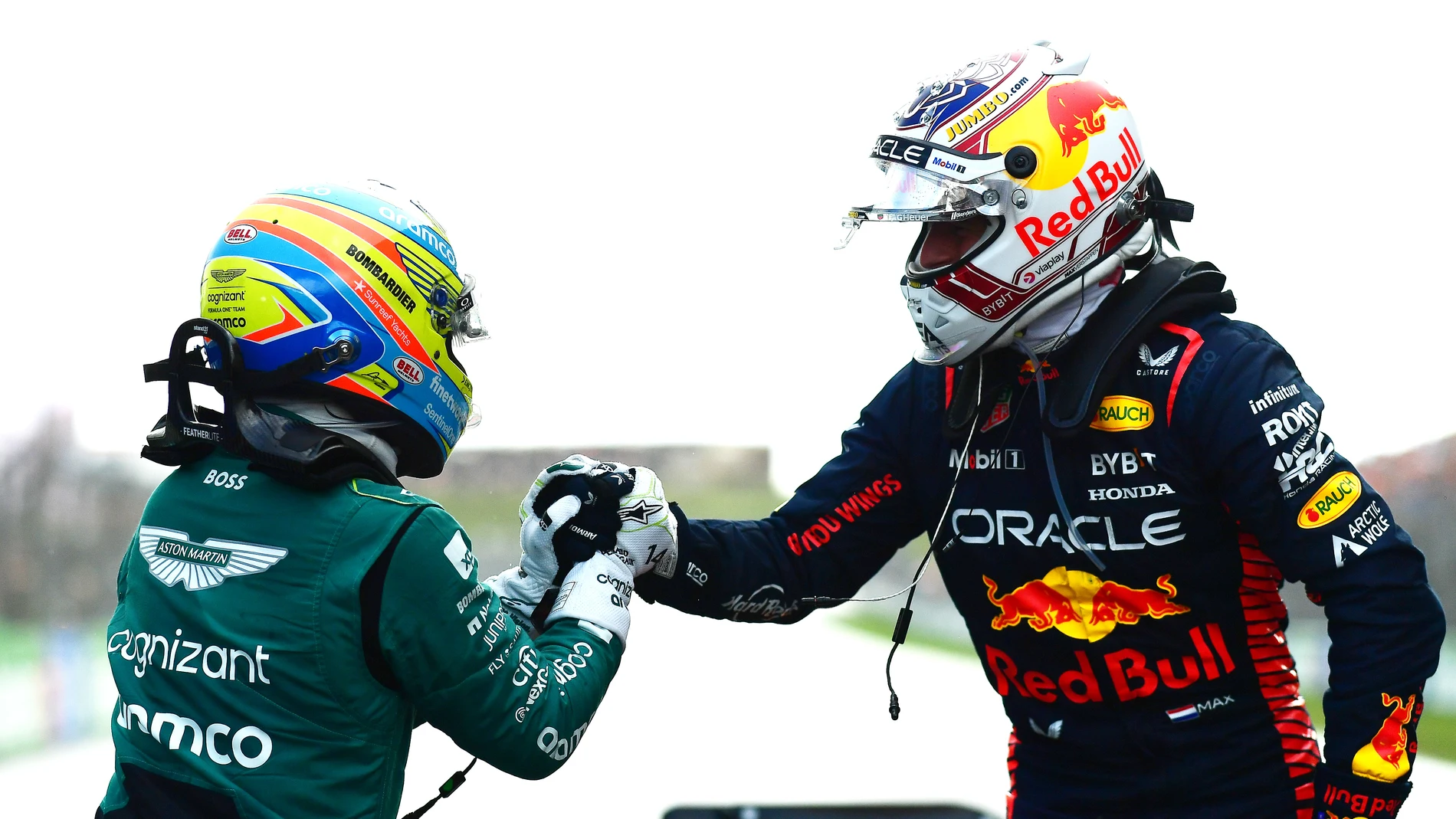
What makes this partnership particularly intriguing is that the concept isn't entirely one-directional. Alonso has apparently approached Verstappen about initiating the project, with the Spaniard reportedly indicating he would only return to endurance racing at Le Mans if it were alongside the Red Bull driver. This mutual enthusiasm transforms what could be dismissed as career bucket-list completion into something far more meaningful: a convergence of two of Formula 1's greatest modern talents at precisely the moment when their career trajectories might align.
Verstappen has been explicit about his intentions regarding Le Mans for several years. In 2023, when posed the question about competing at Circuit de la Sarthe, he answered without hesitation: "I definitely will do Le Mans.... It needs to also come together. I don't want to just rock up there and fill up the field. If I enter, of course, I want to do it with good preparation. I want to do it so I will be able to win." This declaration established an important parameter: Verstappen isn't interested in merely participating at Le Mans. Victory is the objective, and that mindset will inform any partnership he pursues.
The timeline converges: Ford, Aston Martin, and the 2027 opportunity
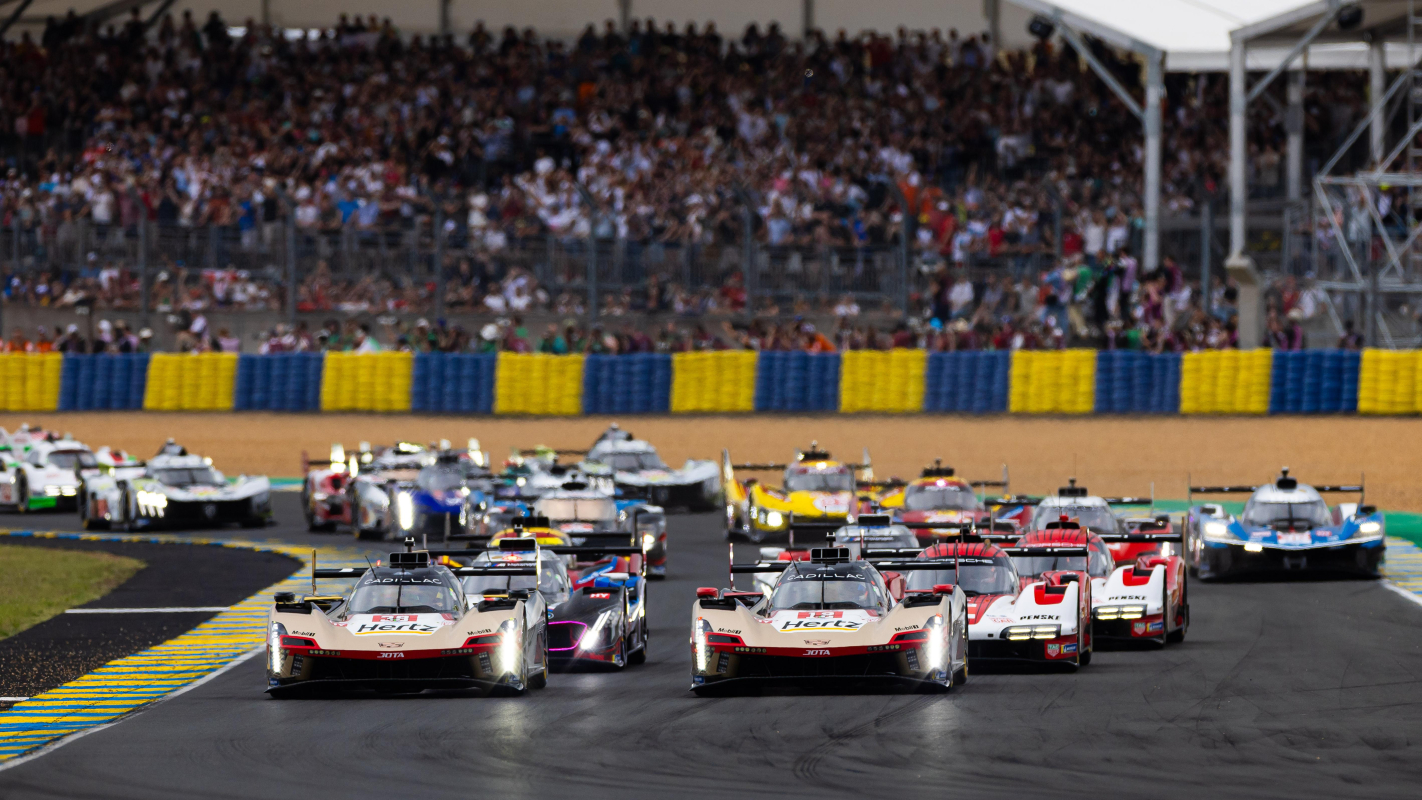
The timing of Verstappen's Le Mans aspirations has been significantly accelerated by recent developments in the World Endurance Championship's hypercar landscape. Ford, Red Bull's 2026 Formula 1 engine partner, publicly announced its return to Le Mans competition for 2027, an announcement made with Christian Horner present. This isn't coincidental—it represents a concrete pathway for Verstappen to pursue his endurance racing ambitions in a program directly aligned with Red Bull's interests.

However, Ford isn't the only manufacturer creating compelling opportunities. Aston Martin is developing its own hypercar program centred around the extraordinary Valkyrie—a machine that carries the fingerprints of Adrian Newey, the legendary Red Bull design engineer now based at the Silverstone team. The Valkyrie's presence in the WEC hypercar category adds another dimension to this narrative, particularly given Alonso's existing relationship with Aston Martin in Formula 1.
The 2027 Le Mans race represents the convergence point where multiple narrative threads could align perfectly. Verstappen would have completed several years of his multi-year Red Bull contract (which currently runs through 2028), potentially creating scheduling flexibility. Alonso's F1 future beyond 2026 remains dependent on Aston Martin's competitive trajectory under Newey's stewardship—if the team delivers a competitive package, the 44-year-old Spaniard may elect to retire from Formula 1 on his own terms rather than limp along in an uncompetitive machinery. This creates an ideal window where both drivers could be available simultaneously.
Why this partnership makes sense: complementary skills and experience
The pairing of Verstappen and Alonso transcends mere star power. These are two drivers with fundamentally different but profoundly complementary skillsets, particularly relevant to the unique demands of endurance racing at Le Mans.
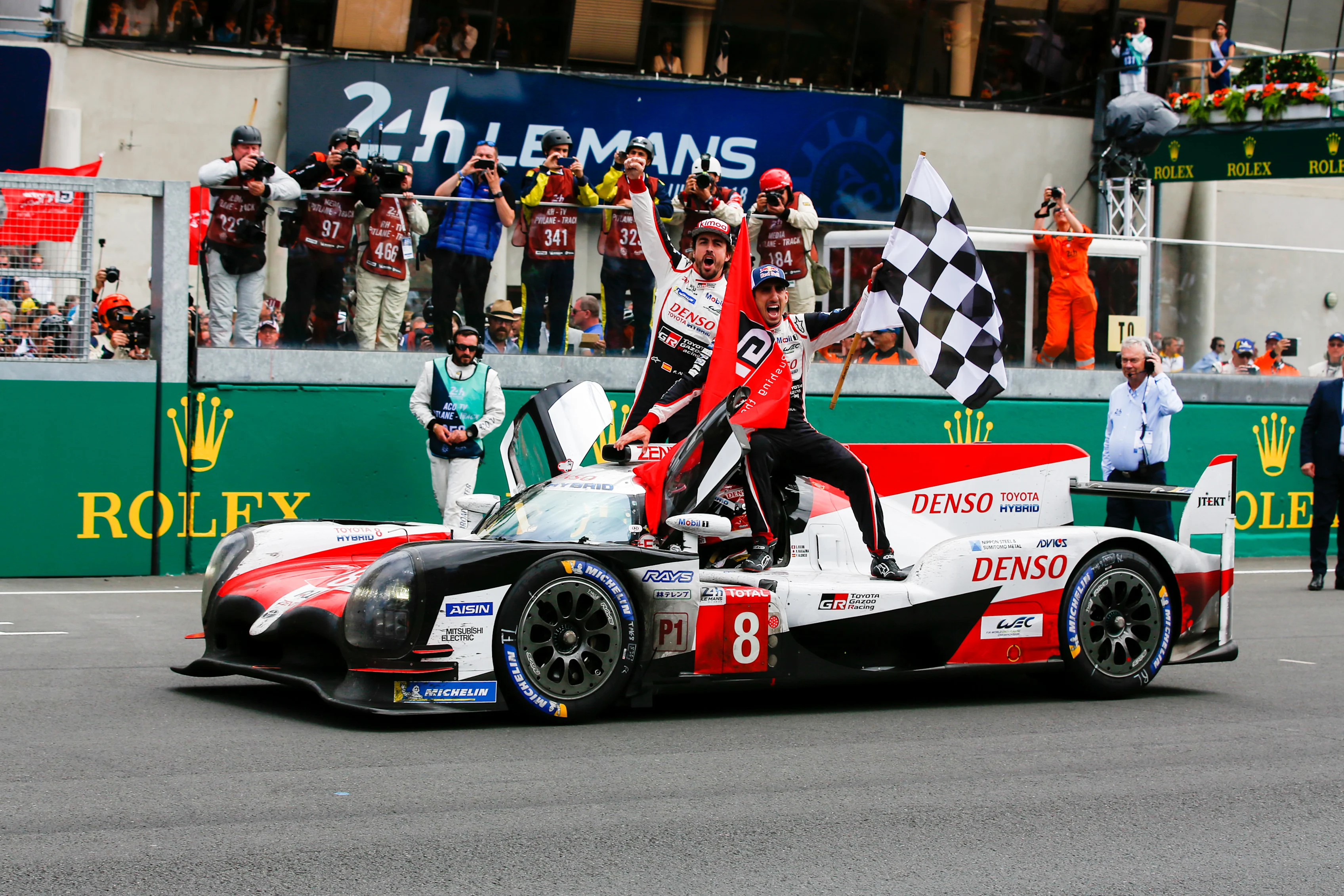
Alonso brings irreplaceable Le Mans pedigree. The Spanish driver has conquered the 24-hour classic twice: with Toyota in 2018 and again in 2019. These weren't merely podium appearances—they represent victories at the sport's most demanding motorsport theatre, where consistency, racecraft, and mentorship across three separate stints matter enormously. Alonso understands the rhythm of Le Mans, the psychological toll of maintaining concentration through the night, and the strategic decision-making that separates winners from also-rans.
Verstappen, conversely, brings the mentality of a modern Formula 1 world champion—someone accustomed to operating at the absolute frontier of performance, pushing chassis development to its limits, and executing with precision under immense pressure. His racecraft in tactical situations rivals any driver on the contemporary grid. Moreover, Verstappen has demonstrated genuine enthusiasm for motorsport beyond Formula 1's confines, expressing interest in various racing formats and showing the intellectual curiosity necessary to master endurance racing's unique technical and strategic landscape.
The synergy extends to deeper tactical considerations. Verstappen himself identified a crucial factor: weight distribution and driver composition. "I'm quite a heavy competitor, so I would have to find light teammates to compensate," Verstappen acknowledged. "Fernando is quite light so that would be very good for us, but we would need to find another one." This isn't mere physical observation—it reflects the sophisticated analysis that top-tier endurance racing demands. The regulatory framework at Le Mans, unlike Formula 1, doesn't impose minimum weight restrictions, making driver and crew composition a genuine competitive variable. Alonso's lighter physical profile would genuinely complement Verstappen's heavier build, optimizing the car's overall weight distribution across a 24-hour stint.
The third seat: family, strategy, and the perfect triangle
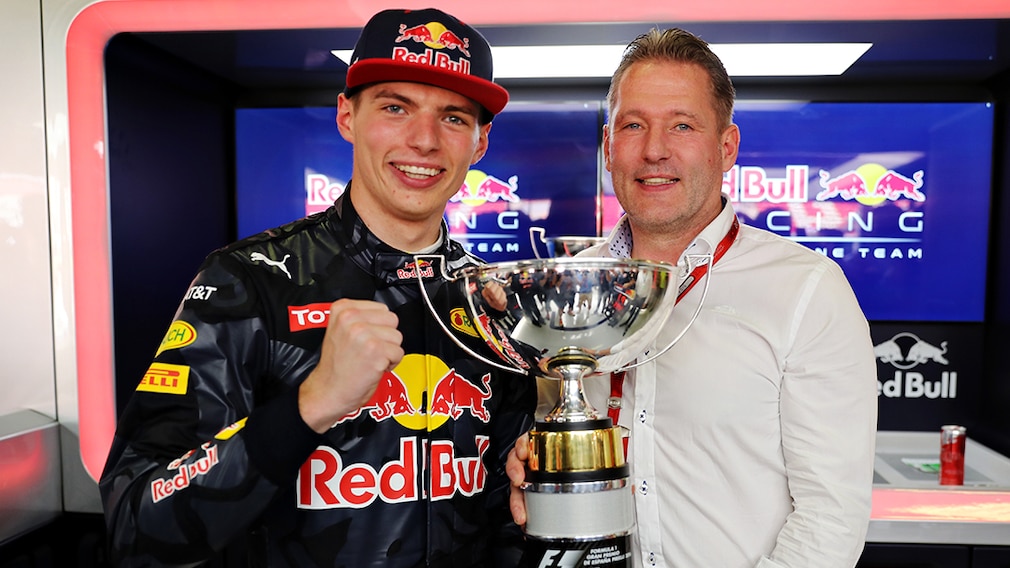
One of the more fascinating aspects of Verstappen's Le Mans vision involves his proposed third driver. The Red Bull driver revealed that his ideal third teammate would be his father, Jos Verstappen. However, he acknowledged the practical complications: "He is still very good at it—he doesn't want to. He just doesn't want to do it anymore."
This speaks volumes about Verstappen's approach to the project. Rather than seeking the fastest available driver for the third seat, he's exploring a configuration rooted in personal and familial connection. That said, Verstappen recognizes the need for optimization, noting that finding "another light" driver would be essential to balance the weight equation. The third seat, therefore, becomes both a strategic puzzle and a narrative opportunity—whether filled by Jos or another carefully selected endurance racing specialist, it represents a critical component in assembling a championship-capable Le Mans entry.
The broader implications: redefining post-F1 narratives
The Verstappen-Alonso Le Mans project carries significance beyond the two drivers involved. In recent years, the notion of Formula 1's greatest drivers transitioning into endurance racing has transformed from anecdotal to systematic. Lando Norris has publicly expressed enthusiasm about Le Mans competition, particularly given McLaren's new partnership with United Autosports to enter the WEC Hypercar category in 2027. Norris has already sampled endurance racing at Daytona, competing alongside Alonso in that venture.
This emerging trend signals a fundamental shift in how elite drivers view their career trajectories. Rather than retiring from motorsport at the conclusion of their F1 careers, many contemporary drivers are pursuing endurance racing as both a competitive outlet and a means of testing themselves against new challenges. Verstappen's explicit ambition to win at Le Mans—not merely participate—elevates this narrative beyond nostalgia. These aren't drivers chasing memories; they're seeking new frontiers of competition at an age when their skills remain at their peak.

Current status and feasibility assessment
As of late 2024, the Verstappen-Alonso Le Mans project remains in the planning and aspiration phase rather than a confirmed program. Verstappen remains fully committed to Formula 1 competition, with his Red Bull contract extending through 2028. Alonso continues his F1 commitments with Aston Martin, contracted through 2026 with potential extension options depending on team performance.
The feasibility of this partnership is genuinely achievable within the next 2-3 years. The 2027 Le Mans race offers a realistic target window, particularly if Ford's hypercar program or Aston Martin's Valkyrie initiative positions either team to field a competitive entry. The regulatory framework of the WEC's hypercar category—less restrictive than contemporary Formula 1—offers flexibility in driver pairings and team construction that would accommodate this specific partnership.
Conclusion: when legend meets legacy
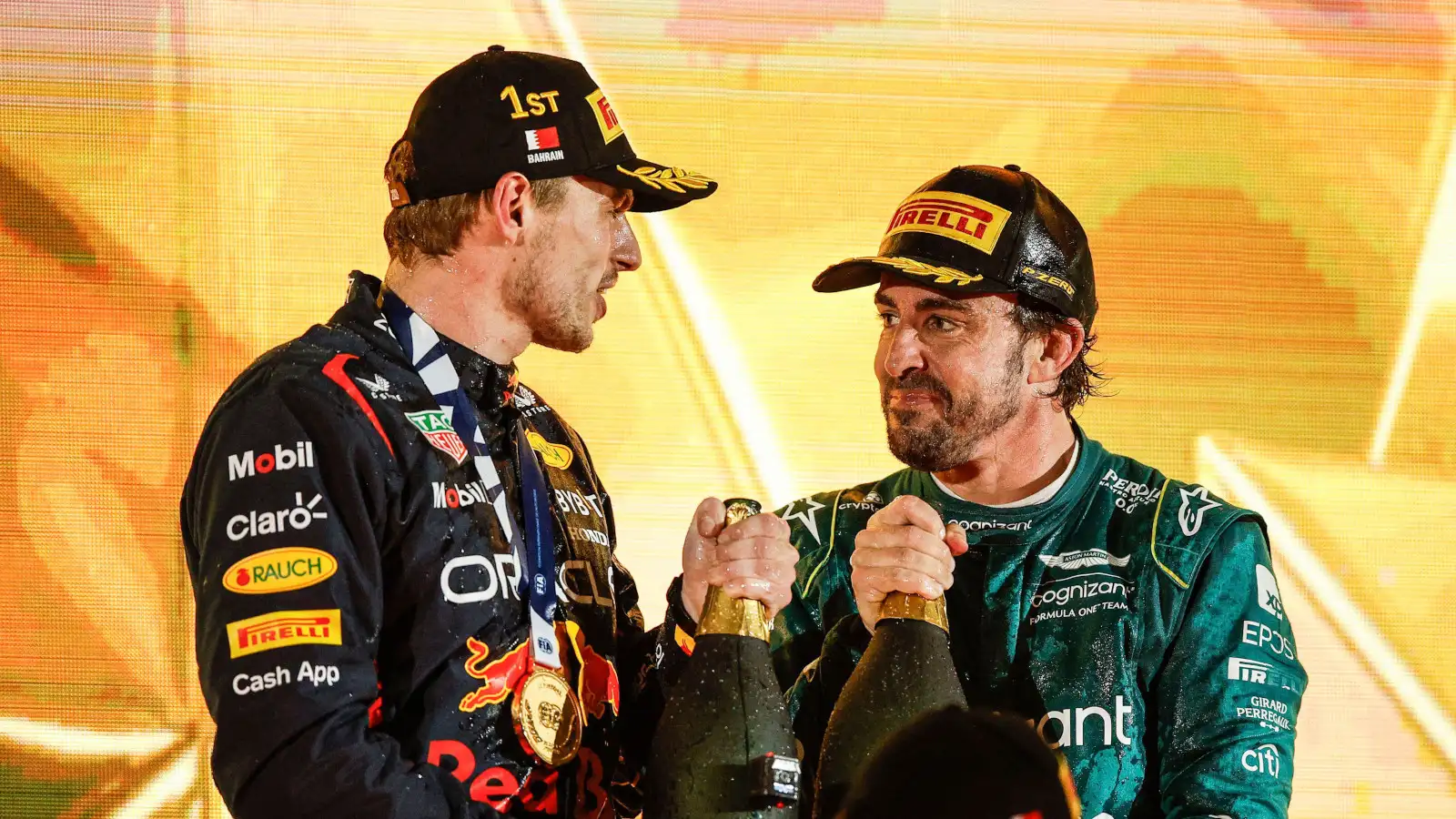
The prospect of Max Verstappen and Fernando Alonso competing together at Le Mans represents far more than a nostalgic footnote to brilliant F1 careers. It embodies the convergence of complementary skill sets, mutual respect, strategic timing, and genuine competitive ambition. Verstappen's categorical statement that he would prefer Alonso as his Le Mans teammate "more than 99 per cent of the others" isn't hyperbole—it's the measured assessment of a driver who recognizes that certain partnerships transcend normal competitive considerations.
The machinery will be available through Ford or Aston Martin. The timeline aligns with plausible career transitions for both drivers. The technical requirements are well understood. What remains is the execution of a vision that both drivers have explicitly endorsed. When—not if—Verstappen and Alonso line up together at Le Mans, it will represent one of motorsport's most compelling narratives: two generational talents pursuing victory not for championship points or career accolades, but for the pure, unfiltered ambition of conquering motorsport's most demanding 24-hour challenge.