
Why Max Verstappen calls 2025 his "best season" despite the loss
The fireworks over Yas Marina have faded, and the papaya-clad mechanics at McLaren are likely still sweeping up confetti from the garage floor. Lando Norris is the 2025 Formula 1 World Champion. The history books will record the score: Norris 423, Verstappen 421. A margin of two points---less than the difference of a fastest lap or a single overtake---decided the fate of the title after twenty-four grueling rounds.
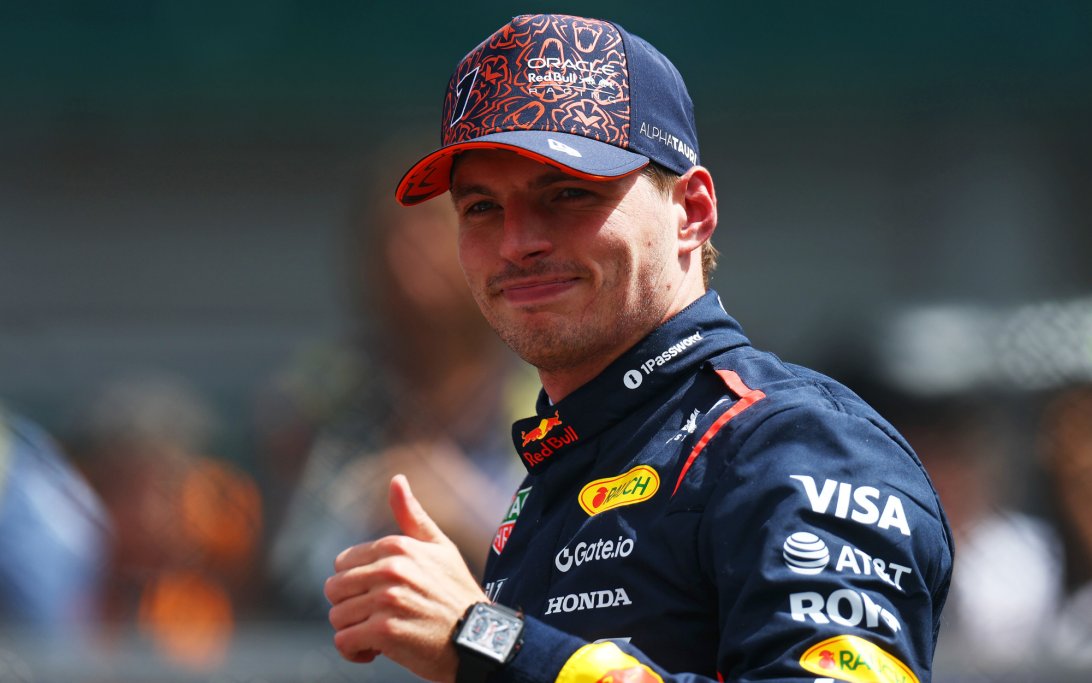
Usually, a deficit that small induces a state of mourning in the losing camp. We have seen it before: the thousand-yard stare of Lewis Hamilton in 2021, the heartbreak of Felipe Massa in 2008. Yet, in the post-race pen in Abu Dhabi, Max Verstappen did not look like a broken man. He looked like a driver who had just pulled off a heist, even if he didn't get to keep the diamonds.
"I hated the car at times," Verstappen admitted to the press, a rare moment of vulnerability from the Dutch lion. "But to be this close? I'm proud. This was my best season."
It is a staggering claim from a man who won 19 races in 2023. But when you peel back the layers of the 2025 season---the technical deficits, the internal turmoil at Red Bull, and the sheer relentless speed of the McLaren MCL39---Verstappen's assessment isn't just coping mechanism. It is the objective truth.
The RB21: a "monster" without a master
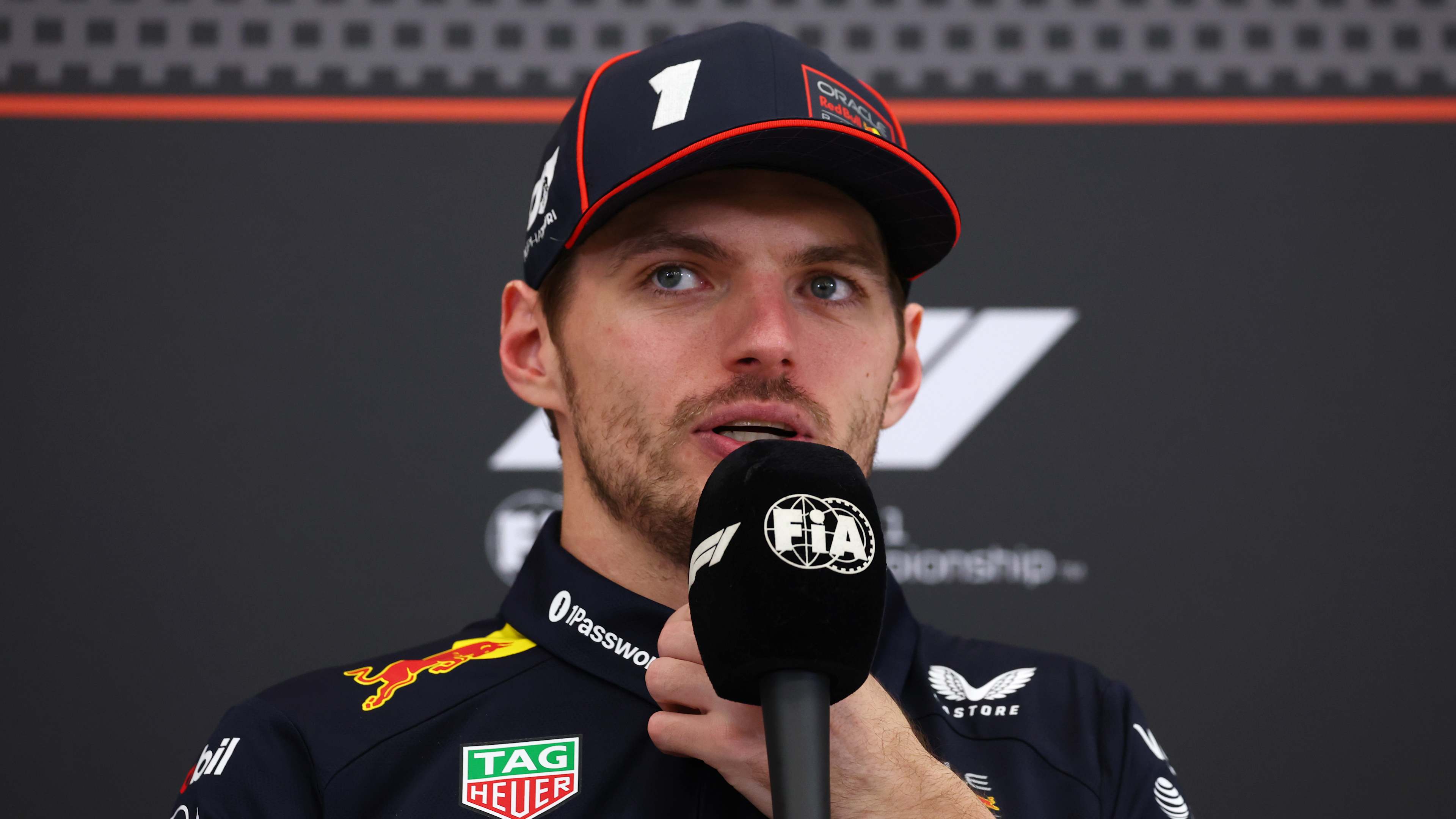
To understand why Verstappen rates this losing campaign over his dominant victories, we have to talk about the machinery. The Red Bull RB21 was not the all-conquering beast its predecessors were. Following the departure of design genius Adrian Newey in early 2025, the development path of the car seemed to lose its way.
While the RB20 of 2024 had its quirks, the RB21 was described by insiders as "knife-edge." It suffered from a chronic disconnect between low-speed mechanical grip and high-speed aerodynamic load. In simple terms: the car wanted to understeer on entry and snap-oversteer on exit. For any other driver, this is a recipe for P5. For Verstappen, it was a challenge.
"You forget all the other stuff that happened in my season," Max told reporters, alluding to the weeks where the Red Bull was statistically the third, sometimes fourth-fastest car on the grid.
Data analysis from the European leg of the season supports this. At Silverstone, Monza, and Zandvoort, the Red Bull was losing an average of 0.4 seconds per lap to the McLarens in race trim. The fact that Verstappen was dragging this chassis onto the podium, often splitting the McLarens of Norris and Piastri, wasn't car performance---it was driver intervention. He was driving around the physics problems that the engineering team, now void of Newey's magic touch, couldn't solve.
The 104-point mountain
The defining metric of this season isn't the final two-point gap; it is the 104-point gap that existed after the Dutch Grand Prix.
When Lando Norris won on Max's home turf in Zandvoort, the championship looked dead and buried. McLaren had the fastest car, two drivers firing on all cylinders, and all the momentum. The bookmakers had effectively closed the market.
What followed was one of the greatest sustained periods of driving in the sport's history. Verstappen didn't just drive fast; he drove angry. The "comeback," as he calls it, wasn't about winning every race---the car simply couldn't do that. It was about damage limitation turned into art.
-
Singapore: A track where the RB21 should have been eliminated in Q2 due to its ride-height issues over kerbs. Verstappen put it P2.
-
Austin: A tactical masterclass in defense, holding off a charging Oscar Piastri for laps on tires that were effectively dead.
-
The Rain in Brazil: Reminiscent of 2016, Verstappen found grip where none existed, clawing back points when McLaren faltered on strategy.
To close a triple-digit gap in the modern era, where reliability is high and points are spread out, requires perfection. Verstappen delivered that for the entire second half of the year. He forced McLaren to be perfect, and when they weren't---like the disqualification drama in Las Vegas---Max was there to punish them.

The agony of Barcelona and the "what ifs"
Of course, a two-point loss invites the cruel game of "What If."
Critics and fans alike point to the Spanish Grand Prix in June as the pivotal moment. Verstappen's collision with George Russell while fighting for scraps---a rare moment of red mist---resulted in a DNF that, in hindsight, cost him the title.
"I knew that would come up," Verstappen joked when asked about Barcelona. "Championships are won over 24 rounds."
It is easy to blame Barcelona, but that ignores the context. That crash happened because Verstappen was over-driving a car that had no business fighting the Mercedes in that specific sector. It was the error of a driver pushing 110% to compensate for a 95% car.
Conversely, the Las Vegas Grand Prix in November kept him alive. McLaren's technical infringement and subsequent disqualification was a lifeline that dragged the fight to the desert finale. Without that twist of fate, Norris would have wrapped this up in Qatar. The season was a pendulum of luck and skill, but in the end, the math settled on a razor's edge.
A new rivalry: the gamer friends
Perhaps the most refreshing aspect of 2025 was the tone of the rivalry. We are used to the toxicity of 2021. The Verstappen-Norris battle was different. These are two men who grew up sim-racing together, who share travel arrangements, and who genuinely respect each other's craft.
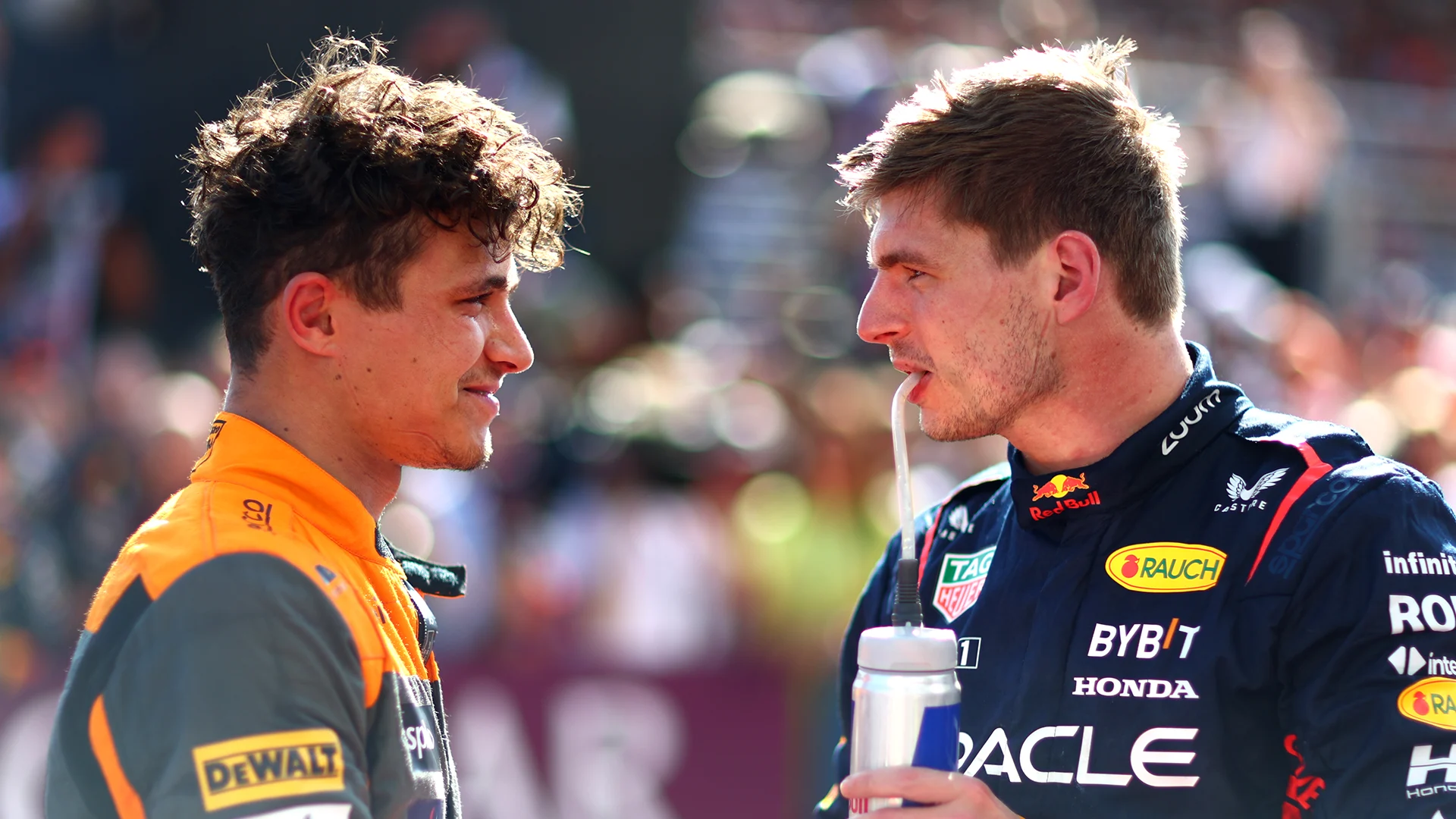
When Norris crossed the line in Abu Dhabi to take P3---enough to secure the title as Verstappen took the checkered flag for the race win---there were no accusations of brake-testing or FIA conspiracies. Verstappen's first move was to park his car, walk to the McLaren parc fermé, and embrace Norris.
This "chipper" demeanor Max displayed post-race speaks volumes about his maturity. He knows he extracted the absolute maximum from himself. In 2021, he won under controversial circumstances. In 2023, he won because his car was a spaceship. In 2025, he lost, but he proved he is the most complete driver on the grid.
He played with a handicap for 24 races and almost beat the house.
The Legacy of the loss
Why does Max Verstappen call this his best season? Because in Formula 1, greatness isn't always measured by the trophy cabinet. It is measured by the delta between the car's potential and the driver's delivery.
Lando Norris is a deserving champion. He drove a magnificent season, utilized the best equipment, and held his nerve when the pressure was suffocating. But the 2025 season will be remembered just as much for the man who came second.
Verstappen has sent a terrifying message to the grid for 2026: If I can get within 2 points of the title in a car I hate, what happens when I get a car I like?
The history books will say Norris won. But those who watched will remember 2025 as the year Max Verstappen truly mastered his craft.