
The complete 2026 Formula 1 driver numbers grid: identity, tradition, and personal stories

The 2026 Formula 1 season is nearly upon us, and with it comes the full roster of driver numbers that will define another thrilling year of motorsport. All 22 driver numbers have been confirmed by the FIA, offering fans a complete picture of the grid's identity for the campaigns ahead. While most of the grid remains familiar, several notable changes tell compelling stories of career transitions, championship glory, and the symbolic significance numbers hold in Formula 1.
The evolution of driver numbers in Formula 1
The relationship between F1 drivers and their numbers has transformed dramatically over the past decade. Prior to 2014, the sport operated under a different system where numbers were assigned based on each team's championship ranking from the previous season. This changed when the FIA introduced a groundbreaking regulation that granted drivers the freedom to select their own numbers—a choice they would carry throughout their entire F1 career.
This shift was far more than administrative. It represented a fundamental recognition of driver identity and personal branding in the modern era. By allowing drivers to maintain the same number regardless of team changes, the sport created an emotional connection between athletes and their fans. A driver's number became as iconic as their name, instantly recognizable across multiple decades and different team.
How do F1 drivers choose their numbers?
F1 drivers have considerable creative freedom when selecting their racing number. They can choose any number between 2 and 99, with the notable exception of number 1, which remains reserved for the reigning World Champion. The reasons behind these selections are deeply personal and vary enormously.
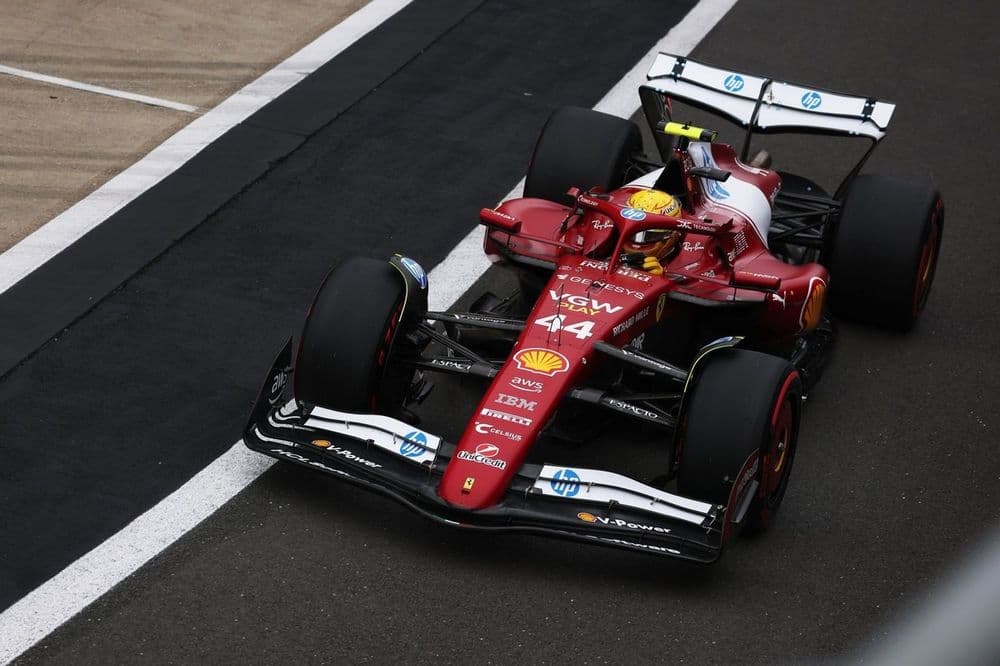
Lewis Hamilton's #44 exemplifies this tradition beautifully. The legend selected 44 because it carries significance from his karting days, and the number has become so synonymous with Hamilton that it evolved beyond racing into his wider identity. In 2021, Hamilton founded Mission 44, a charity dedicated to advocating for greater representation, diversity, and inclusion in motorsport.
Fernando Alonso's #14 tells an equally compelling story. The two-time World Champion revealed that his number carries profound personal meaning: "When I was 14 years old, the 14th of July, and with the go-kart number 14, I was World Champion. From that moment I had no doubt that 14 is my number," Alonso explained.
Even numbers with mathematical significance hold meaning. Charles Leclerc's #16 wasn't his first choice—he wanted number 7 or 10, but both were unavailable. However, Leclerc's selection proved creative: "I finally ended up with number 16, because one plus six equals seven, and I am born the 16th of October," the Ferrari driver said.
Notable changes on the 2026 grid

The 2026 season brings several significant number transitions that underscore the sport's continuity and change. Lando Norris, fresh from claiming the 2025 World Championship, assumes the iconic #1 that comes with the title. Meanwhile, Max Verstappen transitions from his familiar #33 to #3—a change that signals a new era for the Red Bull legend.
Gabriel Bortoleto's arrival at Audi brings history full circle, as he adopts #5, the number previously carried by Sebastian Vettel until 2022. Similarly, Kimi Antonelli inherits #12 at Mercedes, previously held by Felipe Nasr. These number transitions represent the passing of a torch, with new talents stepping into the legacy of their predecessors.
The 2026 grid at a glance
| Team | Driver | Number |
|---|---|---|
| McLaren | Lando Norris | 1 |
| McLaren | Oscar Piastri | 81 |
| Mercedes | George Russell | 63 |
| Mercedes | Kimi Antonelli | 12 |
| Ferrari | Charles Leclerc | 16 |
| Ferrari | Lewis Hamilton | 44 |
| Red Bull | Max Verstappen | 3 |
| Red Bull | Isack Hadjar | 6 |
| Aston Martin | Fernando Alonso | 14 |
| Aston Martin | Lance Stroll | 18 |
| Alpine | Pierre Gasly | 10 |
| Alpine | Franco Colapinto | 43 |
| Audi | Gabriel Bortoleto | 5 |
| Audi | Nico Hülkenberg | 27 |
| Williams | Alex Albon | 23 |
| Williams | Carlos Sainz | 55 |
| Haas | Esteban Ocon | 31 |
| Haas | Oliver Bearman | 87 |
| Racing Bulls | Liam Lawson | 30 |
| Racing Bulls | Arvid Lindblad | 41 |
| Cadillac | Sergio Perez | 11 |
| Cadillac | Valtteri Bottas | 77 |
Reserved numbers and future availability

The FIA maintains a careful protocol regarding retired numbers. Driver numbers used during 2024 and 2025 by Kevin Magnussen (#20), Zhou Guanyu (#24), Logan Sargeant (#2), Jack Doohan (#7), and Yuki Tsunoda (#22) remain reserved. If these drivers do not return to F1 within the next two years, their numbers will become available for selection by incoming rookies from 2027 onwards. This system ensures respect for drivers' legacies while allowing fresh talent to establish their own identities.
The 2026 driver number grid represents far more than administrative designation—it embodies the personal stories, historical continuity, and emotional connections that make Formula 1 uniquely compelling. From championship-winning traditions to the dreams of rising rookies, every number on the grid carries meaning.

Simone Scanu
He’s a software engineer with a deep passion for Formula 1 and motorsport. He co-founded Formula Live Pulse to make live telemetry and race insights accessible, visual, and easy to follow.