
Formula 1's 2026 global odyssey: a season of innovation, new frontiers, and logistical precision

The 2026 Formula 1 season promises to be a watershed moment for the sport—not merely for the introduction of groundbreaking technical regulations, but for the meticulous reimagining of how Grand Prix racing will unfold across the globe. With a 24-round calendar stretching from the coastal beauty of Melbourne to the twilight spectacle of Abu Dhabi, this campaign represents a carefully orchestrated global odyssey that balances geographic efficiency with the tradition and prestige that define motorsport's pinnacle.
As the sport enters a new regulatory era, the 2026 calendar stands as a testament to F1's commitment to sustainable logistics, enhanced fan experiences, and the strategic expansion of the championship into emerging markets. This comprehensive preview examines the structural changes, innovative sprint race distribution, and technical revolution that will define the year ahead.
A reformed calendar: strategic repositioning for global efficiency
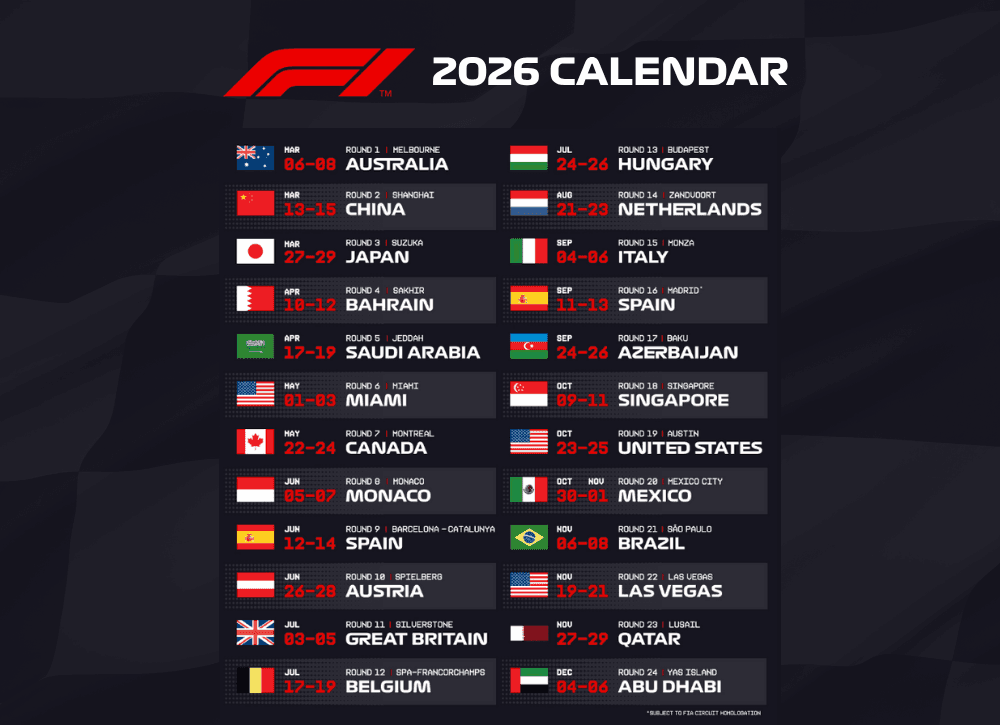
The 2026 calendar begins with a significant restructuring that reflects both environmental consciousness and operational pragmatism. The season commences with a high-octane doubleheader in the Asia-Pacific region, starting with the Australian Grand Prix on March 6-8. This marks a return to tradition, as Melbourne reclaims its status as the season opener, a position it has held for much of the modern era.
Following the Australian opener, the circus moves immediately to the Chinese Grand Prix in Shanghai on March 13-15. This early-season pairing is not accidental; it exemplifies F1's evolving approach to freight logistics. By grouping races geographically, the sport aims to eliminate unnecessary transportation duplication and reduce the carbon footprint of moving thousands of tons of equipment, personnel, and support infrastructure across continents.
Perhaps the most significant logistical innovation is the repositioning of the Canadian Grand Prix. Having previously occurred in June—necessitating a standalone transatlantic trip for the teams—the Montreal circuit will now host F1 on May 22-24. This puts it immediately following the Miami Grand Prix (May 1-3). This timing creates what F1 strategists have termed "significant freight efficiencies," as equipment and personnel can transition directly from South Florida to Quebec without requiring circuitous routing back to European bases.
The Ramadan factor: middle eastern adjustments

The 2026 calendar navigates the religious calendar with cultural sensitivity and foresight. Since Ramadan will extend throughout February and March in 2026, the Bahrain (April 10-12) and Saudi Arabia (April 17-19) Grands Prix have been repositioned to April.
In previous years, these races served as the season openers. However, by moving them to April, F1 maintains the prestige of these high-tech venues while respecting the period of observance. This middle-season deployment creates a compelling back-to-back Middle Eastern double-header that has become integral to the F1 calendar's structure, providing a high-speed contrast to the street circuits that often precede them.
Europe's consolidated summer: a strategic concentration
Following the North American swing in May, Formula 1 transitions into what represents perhaps the most streamlined European segment in recent memory. This "European Heart" of the season is designed to minimize travel for the UK and Europe-based teams, allowing for a more sustainable rhythm during the busiest part of the year.

The European leg begins with the Monaco Grand Prix on June 5-7. In a historic shift, Monaco has moved from its traditional late-May slot to early June, allowing it to pair more effectively with the surrounding European rounds. The schedule then unfolds with architectural precision:
- Spanish Grand Prix (Barcelona-Catalunya): June 12-14
- Austrian Grand Prix (Spielberg): June 26-28
- British Grand Prix (Silverstone): July 3-5
- Belgian Grand Prix (Spa-Francorchamps): July 17-19
- Hungarian Grand Prix (Budapest): July 24-26
- Dutch Grand Prix (Zandvoort): August 21-23
- Italian Grand Prix (Monza): September 04-06
This consolidated European stretch creates an uninterrupted mid-season crescendo. It allows teams to maintain consistent setup philosophies and capitalize on the logistical advantages of "triple-headers" and "double-headers" where the motorhomes and hospitality units can be moved efficiently across the continent.
Madrid's historic debut: Spain's new chapter
Among the most anticipated developments for 2026 is Madrid's inaugural appearance on the F1 calendar. Scheduled for September 11-13, the Madrid Grand Prix represents a bold new chapter for Spanish motorsport. While Barcelona has been the long-standing home of the Spanish GP, the addition of a race in the capital city signals F1's continued expansion into metropolitan markets.
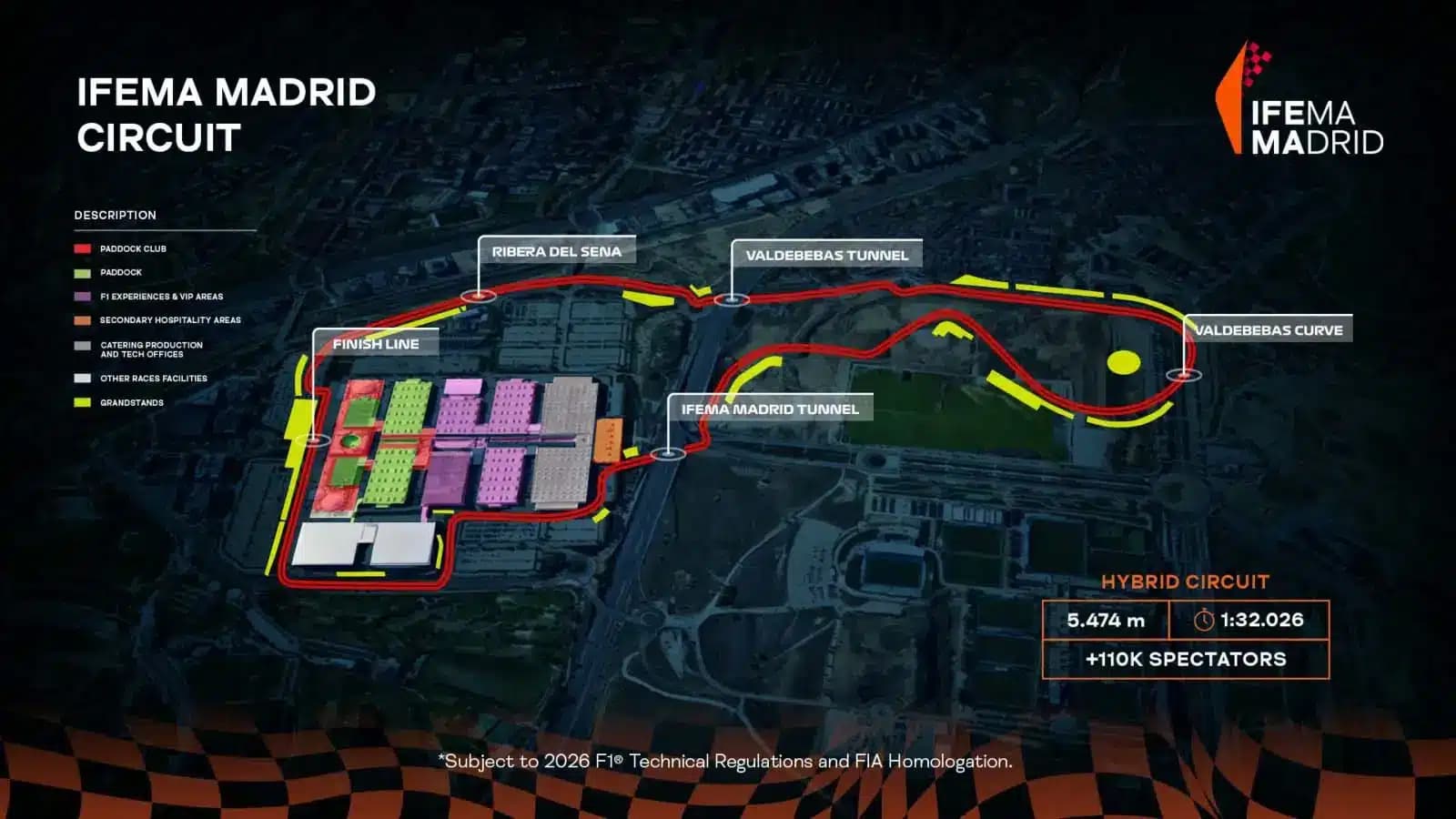
The Madrid circuit is expected to be a hybrid of street and permanent sections, designed to provide high-speed action in an urban environment. This addition serves as the final continental round of the European season, acting as a bridge before the sport pivots toward the final flyaway races in Asia and the Americas.
The Sprint revolution: six venues, strategic distribution
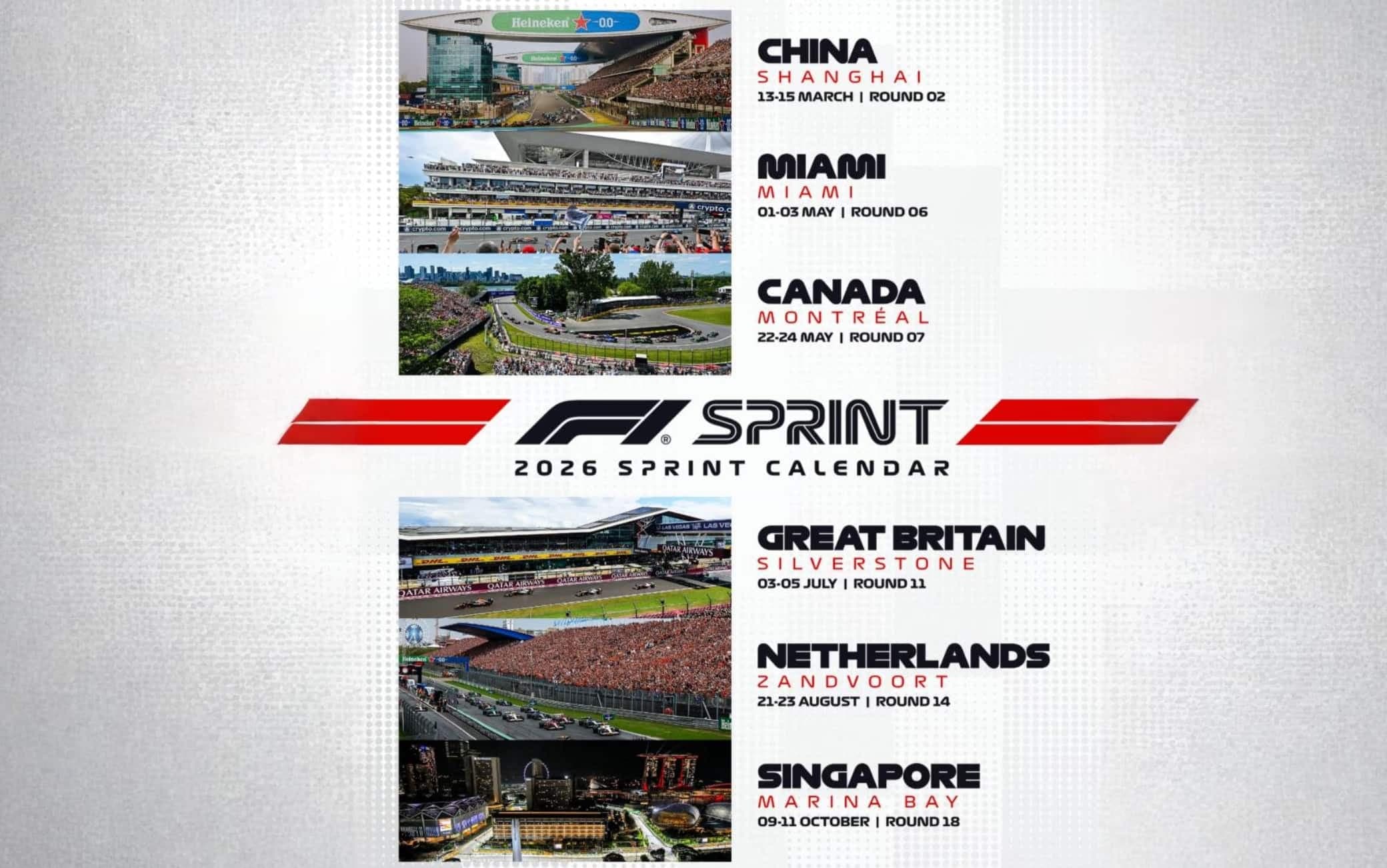
The 2026 season maintains the popular Sprint race format at six selected venues. The choice of these locations reflects a desire to provide variety in racing styles and to maximize fan engagement in key markets. The designated Sprint venues for 2026 are:
- China (Shanghai): An early-season test of the new 2026 machinery.
- Miami: Bringing the Sprint drama to the vibrant South Florida crowd.
- Canada (Montreal): A circuit known for overtaking, now enhanced by the Sprint format.
- Great Britain (Silverstone): A high-speed classic that rewards bravery in the short-form race.
- Netherlands (Zandvoort): A historic first for the Dutch fans.
- Singapore: The physical and mental challenge of a night Sprint in the humidity.
Notably, Zandvoort will host the Dutch Grand Prix's final appearance in 2026 (under current agreements) with a Sprint format for the first time. This adds immense historic significance to the weekend, as the "Orange Army" prepares to bid a potential farewell to their home race in its current iteration.
Technical upheaval: the 2026 regulatory revolution
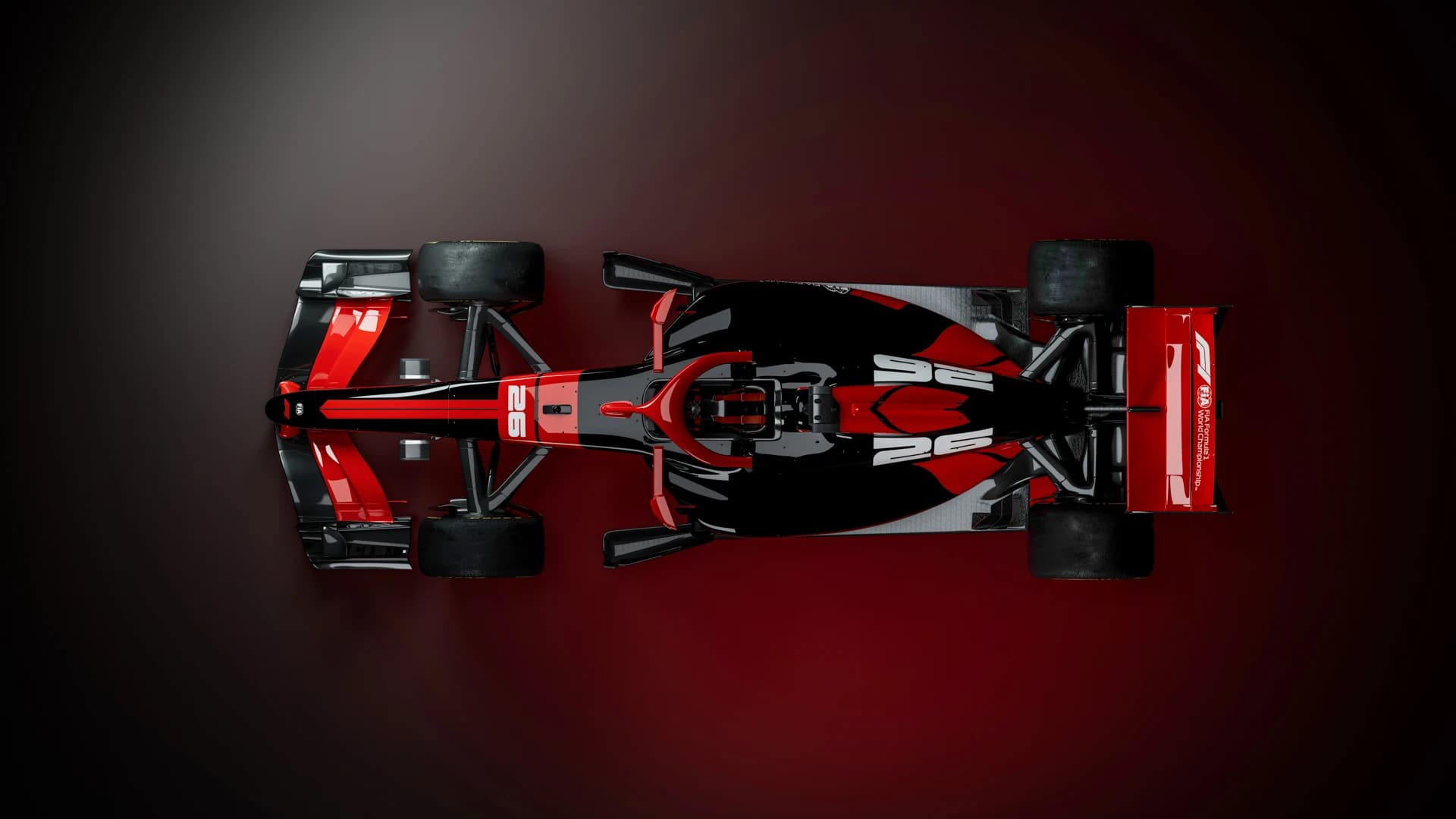
While the calendar provides the stage, the cars themselves will be the stars of a radical transformation. The 2026 season marks the introduction of the most significant technical regulation changes in a generation. These changes are built on three pillars: Sustainability, Competition, and Innovation.
The new Power Unit
The 2026 power units will see a massive shift in how energy is generated. The complex MGU-H (Motor Generator Unit - Heat) will be removed to simplify the engines and attract new manufacturers like Audi. To compensate, the electrical component of the power unit will see a nearly 300% increase in power, moving from 120kW to 350kW. This creates a 50/50 split between internal combustion and electric power, fueled by 100% sustainable drop-in fuels.
Active aerodynamics
To manage the unique energy requirements of the new engines, 2026 cars will feature Active Aerodynamics. This includes movable front and rear wings that can switch between a "Z-mode" (high downforce for cornering) and an "X-mode" (low drag for straight-line speed). This replaces the current DRS system with a more integrated approach to aerodynamic efficiency.
Expanded testing program
Because these changes are so profound, the FIA has authorized an expanded pre-season testing schedule. Teams will have three distinct opportunities to refine their designs:
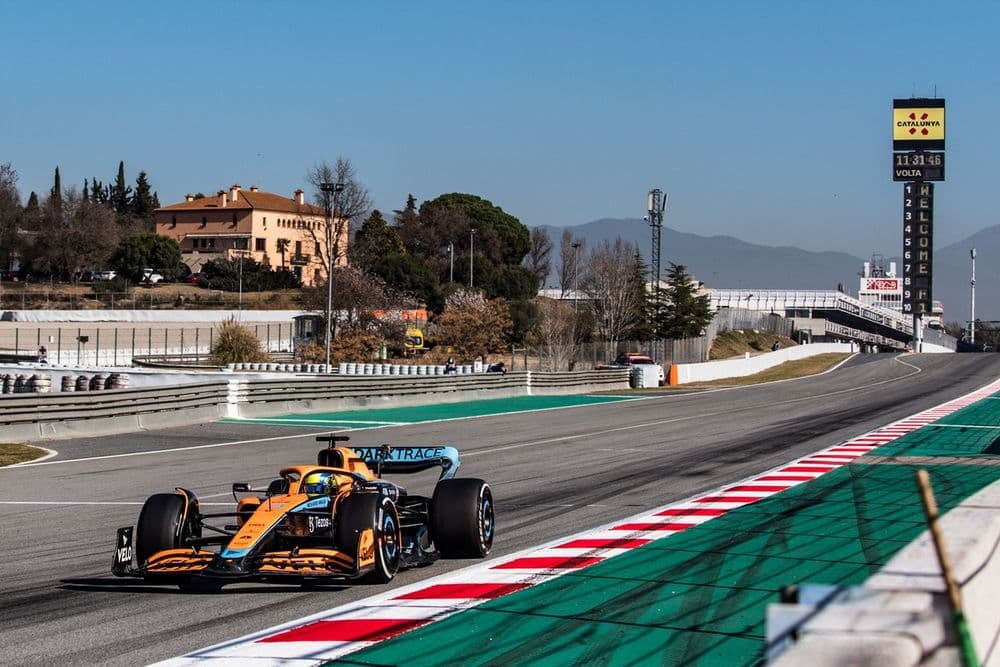
- Test One (Private): Barcelona-Catalunya (January 26-30)
- Test Two: Bahrain International Circuit (February 11-13)
- Test Three: Bahrain International Circuit (February 18-20)
This rigorous testing phase is essential for ensuring the reliability of the new hybrid systems before the lights go out in Melbourne.
The final stretch: a global conclusion
The season's closing stages unfold across a demanding schedule that tests both machinery and human endurance. Following the Singapore Grand Prix (October 9-11), the sport embarks on a final tour of the Americas:
- United States GP (Austin): October 23-25
- Mexico City GP: October 30 - November 1
- São Paulo GP (Brazil): November 6-8
- Las Vegas GP: November 19-21
The Las Vegas Grand Prix, held on a Saturday night, has quickly become a crown jewel of the calendar, offering a neon-soaked spectacle that bridges the gap between sport and entertainment.
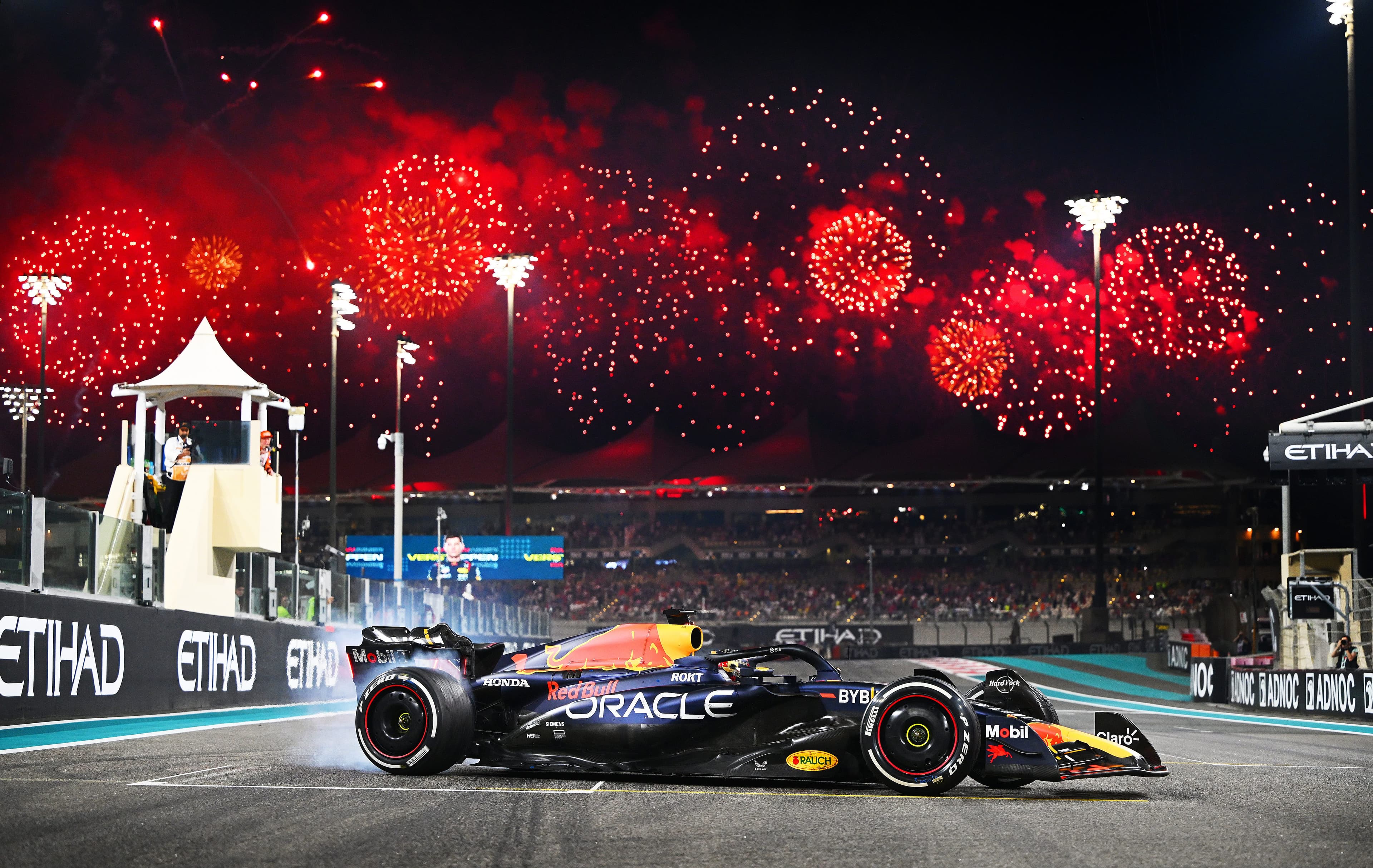
Finally, the championship concludes with a geographic sweep through the Middle East. The Qatar Grand Prix (November 27-29) at the Lusail circuit serves as the penultimate round, leading into the grand finale at Yas Marina, Abu Dhabi (December 4-6). This 24-race marathon ensures that the championship battle—potentially between established titans and new manufacturer-backed teams—will be decided in the desert heat.
Conclusion: a masterclass in championship management
The 2026 Formula 1 calendar is more than just a list of dates; it is a strategic blueprint for the future of the sport. By balancing the demands of a 24-race season with the necessity of regionalization and sustainability, F1 is positioning itself as a leader in global sports management.
From the return of Melbourne as the season opener to the debut of Madrid and the technical revolution under the hood, 2026 is set to be a year of unprecedented change. For fans, it promises a season where the form book is thrown out the window, and the world's greatest drivers must master entirely new machines across the most diverse and logistically optimized calendar in history. As we look toward 2026, the message is clear: Formula 1 is not just racing toward the future; it is defining it.

Simone Scanu
He’s a software engineer with a deep passion for Formula 1 and motorsport. He co-founded Formula Live Pulse to make live telemetry and race insights accessible, visual, and easy to follow.