
Alpine's phoenix from the ashes: how 2025's lessons could transform 2026 with Mercedes power

The 2025 Formula 1 season will be remembered as one of the most challenging periods in Alpine's modern history. The Enstone-based outfit finished dead last in the constructors' championship, securing just 22 points—a stark contrast to their fourth-place finishes in 2022 and the sixth-place results of 2023 and 2024. For a team that had climbed from ninth place in 2016 to genuine championship contenders within two years, this represented a significant step backward. Yet beneath the grim statistics lies a more nuanced story—one of calculated sacrifice and meticulous preparation for Formula 1's transformative 2026 era.
Alpine's decision to pivot aggressively toward 2026 development was not born of optimism but of necessity and strategic vision. With new technical regulations and a fundamental change in power unit regulations on the horizon, the team made a deliberate choice to essentially abandon the development of the A525 early in the season. This gambit left the car significantly adrift compared to competitors who continued introducing upgrades throughout the year, a fact that did not go unnoticed by the team's drivers and technical personnel.
The combined effect of a strategically neglected current platform and a Renault power unit that was “still lacking some outright power” created a perfect storm of competitive vulnerability. Yet Alpine now believes these very circumstances—as painful as they were—have sown the seeds for a genuine resurgence in 2026, particularly with the arrival of Mercedes power units and the operational lessons learned through adversity.
Pierre Gasly: from survivor to team leader

While Alpine's championship position tells a story of struggle, Pierre Gasly's individual performance in 2025 reveals a driver operating at an altogether different level than the machinery suggested. The French driver was responsible for all 22 of Alpine's constructors' championship points, making him instrumental in the team achieving a peculiar and bittersweet distinction: the highest-scoring last-placed team in F1 history.
Gasly's season included Alpine's best finish—an impressive sixth-place result at the British Grand Prix, where he capitalized on dramatic mixed conditions to claim eight points in a single race. Beyond this headline achievement, Gasly demonstrated remarkable consistency, qualifying in Q3 a remarkable 10 times across the 24-race calendar—a genuine accomplishment given the performance deficit of the car. He also secured a seventh-place finish in Bahrain and crucial points finishes in Brazil, displays of racecraft that masked the broader struggles engulfing the team.
However, Gasly's true contribution transcended points and qualifying performances. The 29-year-old demonstrated exceptional leadership qualities during what could have been a deeply demoralizing campaign. Rather than retreating into the driver's bubble, he actively worked to keep the team motivated and focused despite the crushing reality of last-place finishes and minimal opportunities for points.
As Gasly reflected on 2025: “I've scored the least amount of points in my F1 career, but personally I feel I've put in a strong performance. It doesn't really bring any satisfaction, so I'm just very happy to move away from this year.” Yet he was careful to acknowledge that moving forward should not mean forgetting: “I'm the happiest I've ever been with the work we're putting in with the team and all the preparation.”
The hidden architecture of 2026 success
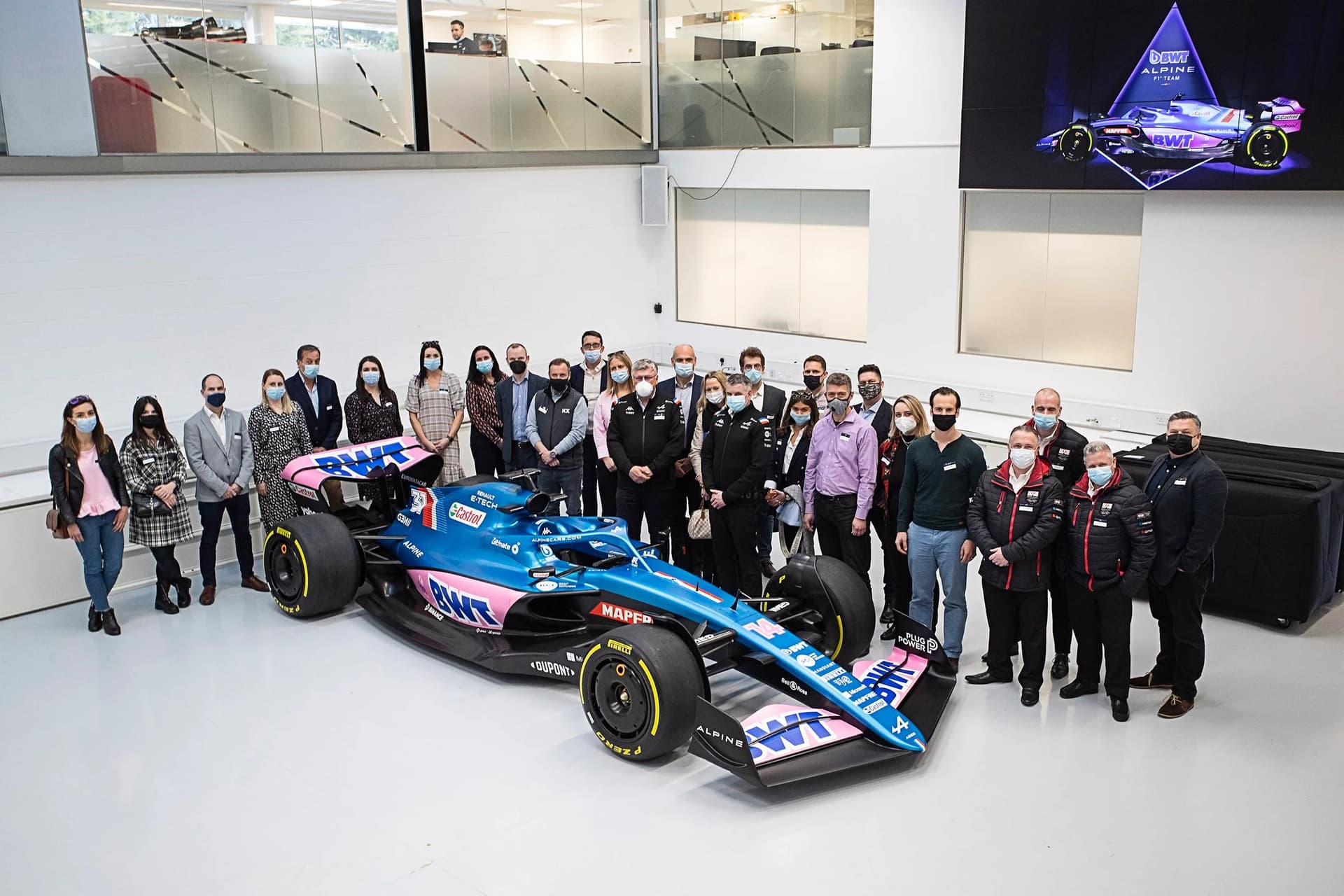
The disconnect between Alpine's championship position and Gasly's assessment of operational quality reveals the genuine technological and structural work happening behind the scenes. Throughout 2025, Alpine wasn't simply accepting defeat—it was constructing the operational framework necessary to compete at the highest level when the machinery finally matched the team's aspirations.
Gasly elaborated on this transformation: “I think, moving forward, this season has definitely made us stronger as a team.” This assessment wasn't born of rose-tinted hindsight but of observable changes in how the organization functioned. The team established a forum where feedback was genuinely honest, free from finger-pointing, and focused on objective assessment of performance against expectations. This collaborative environment proved particularly valuable precisely because Alpine couldn't hide behind competitive excuses—when you're last, there's nowhere to hide.

Because the A525 lacked outright pace, Alpine was forced to explore operational limits in granular detail. The team investigated nuances of car mappings and setup procedures that teams competing at the front might overlook. Engineers went to extremes in their approach to optimization, debriefing processes became more comprehensive, and factory procedures were scrutinized with fresh intensity. This forced experimentation in operational excellence has created a potential competitive advantage that may not translate to immediate gains, but should theoretically enable Alpine to extract maximum performance from whatever machinery is available in 2026.
Gasly emphasized this point directly: “When you're lacking overall performance, you dig quite deep into these small details that don't make much difference. I think we took things quite to the extreme in the way we do mappings and the set-up, the work we do at the factory, how much debriefing we have, and how deep we go into things. I must say it's the best work I've done with the team.”
Franco Colapinto: learning through difficulty
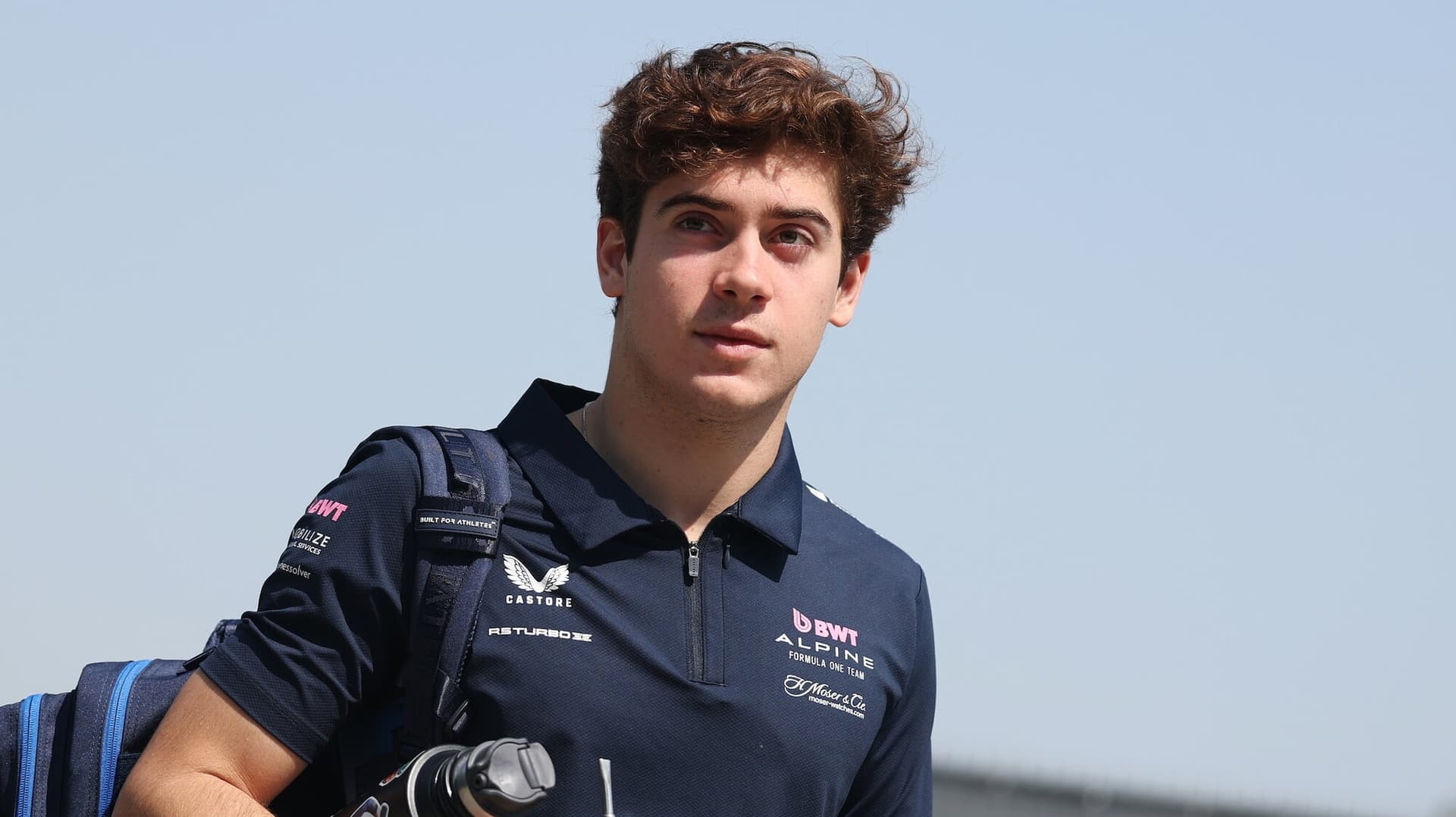
Franco Colapinto's perspective, as an outsider who joined the team mid-season in place of Jack Doohan, adds valuable context to Alpine's narrative of transformation through adversity. The Argentine driver was pleasantly surprised by the team's resilience and refusal to surrender despite mounting evidence of a genuinely uncompetitive package.
“Not giving up and keep pushing in difficult moments, that was the one thing I was really surprised with,” Colapinto noted. “When it's not going well or not going as you expect, it's tricky to keep the motivation up and to keep going week after week to find new things. But I saw that from the team. That was very impressive and something that I think is going to bring a lot of good results when the car is competitive.”
This external validation of the team's mental resilience matters considerably. Colapinto, without years of Alpine infrastructure familiarity, could assess the organization's mentality with fresh eyes and found genuine strengths that might otherwise be overlooked in the rush to move past a difficult season. His observation that “from the lows you learn the most” encapsulates Alpine's core philosophy heading into 2026: suffering has been the tuition payment for the education that will enable future success.
The Mercedes engine revolution
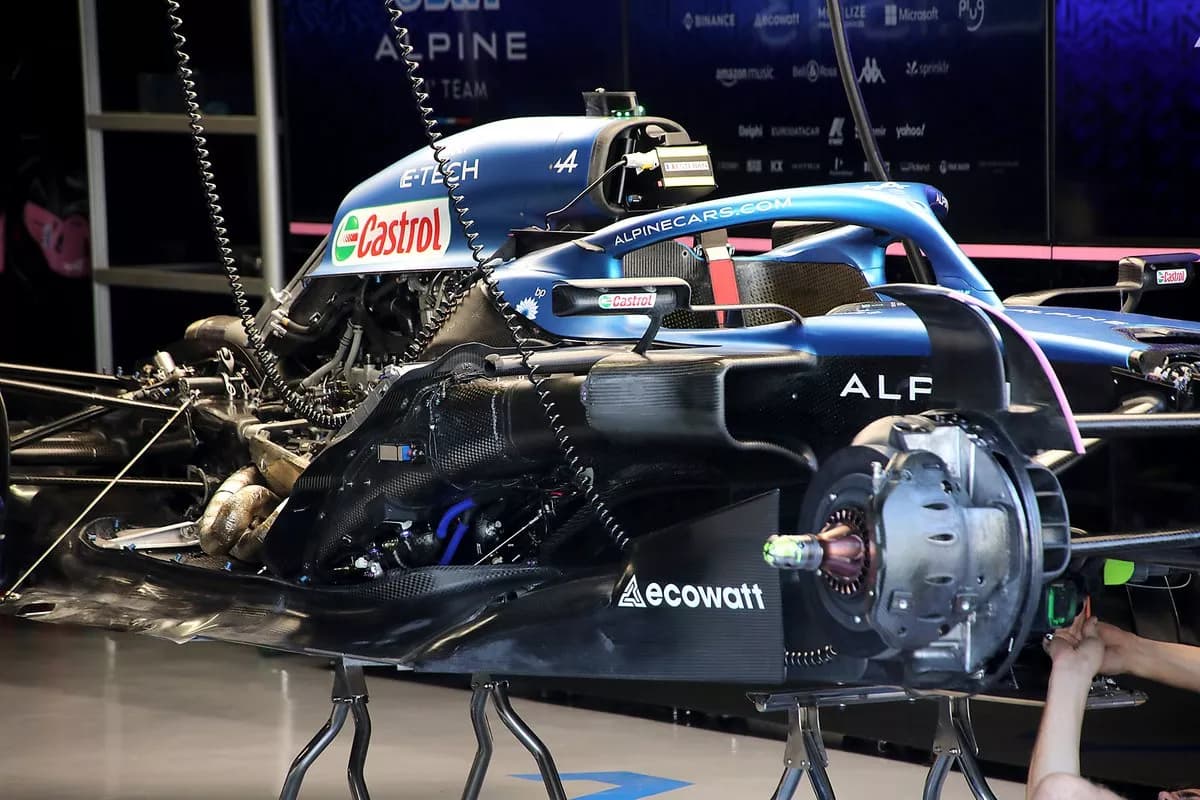
While operational improvements and psychological resilience are valuable, they exist in a vacuum without corresponding technical advantage. This is where Alpine's transition to Mercedes power units becomes transformative. For decades, Alpine (and previously Renault) had powered its racing efforts with in-house power units. The 2025 season represented the final chapter of this independence, with Viry-Chatillon preparing its ultimate engine before transferring Alpine to customer status with Mercedes in 2026.
This transition represents both a humbling moment and a genuine technical opportunity. The Mercedes power unit, refined through years of partnership with McLaren and benefiting from the German manufacturer's legendary precision engineering, represents a considerable upgrade from the Renault unit that hampered Alpine's competitive efforts in 2025. The combination of a more powerful engine and the operational frameworks developed through 2025's adversity creates a compelling formula for improvement.
Gasly was explicit about his expectations: “I don't enjoy being in the position I was in last season, and I know I will enjoy being at the front of the field.” He emphasized that his priority is winning and competing at the sport's highest levels, not entertainment value. The addition of Mercedes power unit represents a tangible step toward making this aspiration realistic.
The realistic path forward

Alpine approaches 2026 with measured optimism grounded in realism. The team acknowledges that the new technical regulations, intended to produce grid convergence after a final year of relative stability in 2025, might limit the performance gains available through any single improvement—whether that's an engine upgrade or operational refinement.
Nevertheless, Gasly's confidence in the team's processes is notable: “It's not like we were miles away from everyone; it's just that we were on the wrong end of the midfield. And yeah, in terms of actual work as a team, that's what brings me quite a lot of confidence. If we get the car to a good place, I think we have the right processes in place to actually perform.”
The allocation of wind tunnel and computational fluid dynamics resources also provides indirect support for Alpine's development efforts. Having finished last in the 2025 championship, the team qualified for maximum technical resource allocation under F1's resource restriction regulations, enabling more comprehensive development work than many competitors. This created a strange inversion where Alpine's championship position, while catastrophic competitively, created structural advantages for 2026 preparation.
Conclusion: from sacrifice to ascendancy
The 2025 season represented Alpine's crucible—a year of sacrifice, pain, and relentless challenge. Yet from these difficulties emerged tangible operational improvements, refined processes, and the addition of Mercedes power units. Pierre Gasly's leadership transformed a potentially toxic situation into one of unity and shared purpose, while Franco Colapinto's fresh perspective validated the team's genuine mental strength.
As Formula 1 enters its transformative 2026 era, Alpine has structured itself to capitalize on the regulatory reset. The Enstone team's willingness to suffer through 2025 in pursuit of 2026 advantage represents the kind of long-term thinking that separates genuine championship contenders from perennial midfield teams. Whether the gamble pays dividends remains to be seen, but the team has certainly positioned itself better than its last-place finish might suggest—a rare case where the true measure of a season's success cannot be judged until the next one unfolds.

Simone Scanu
He’s a software engineer with a deep passion for Formula 1 and motorsport. He co-founded Formula Live Pulse to make live telemetry and race insights accessible, visual, and easy to follow.