
Decoding Singapore: a telemetry deep dive in tyres data

The 2025 Singapore Grand Prix is the ultimate examination of a driver's precision. Under the intense heat and humidity of Marina Bay, the ability to manage tyres and deliver consistent lap times is the true measure of performance. This year, the raw telemetry tells a fascinating story of driver mastery, and thanks to some insights by Pirelli, we can understand the strategic thinking behind the numbers.
As Pirelli's Motorsport Director Mario Isola noted, "the teams and drivers have become ever more adept at tyre management" and the data from this race proves him right.
The tyre telemetry story
Strategy for Singapore began before the lights even went out. A late afternoon rain shower left the track slightly damp, playing a key role in tyre selection and performance throughout the night.
The strategic split at the start
Pirelli confirmed that the conditions ruled out the Hard tyre for the opening stint. This led to a strategic split on the grid:
- 14 drivers opted for the durability of the Medium (C4) tyre.
- 6 drivers, including Max Verstappen and Fernando Alonso, gambled on the extra grip of the Soft (C5) tyre.
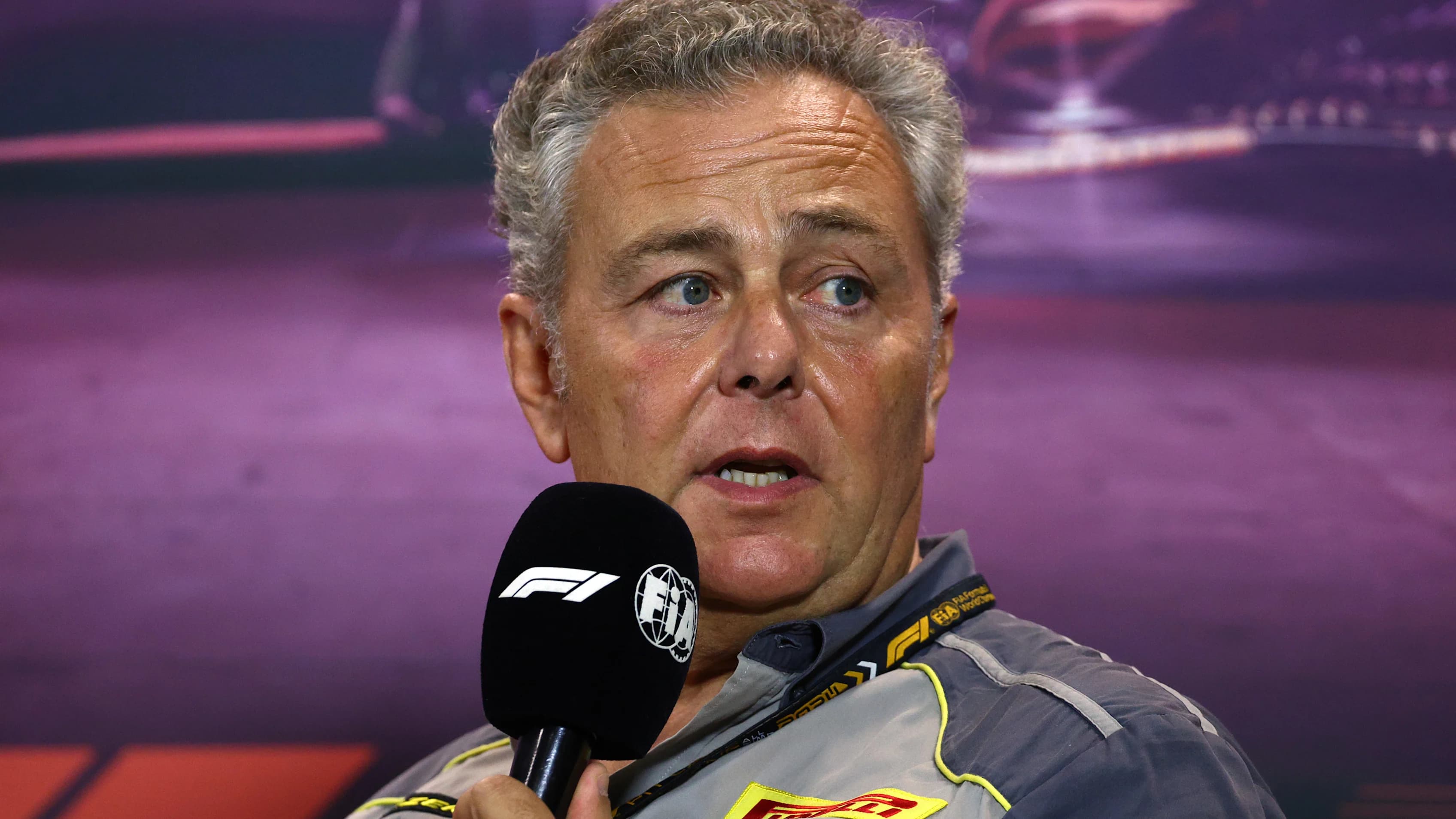
Mario Isola explained the thinking: "At the start, the Soft became an interesting choice, partly because of the rain that fell shortly before the cars went out onto the grid."
The Medium compound: the "best balance" of performance
Our telemetry analysis revealed a stunning characteristic of the Medium tyre: an average negative degradation of -0.597 seconds per lap. This means drivers were getting faster as their stints went on.
This finding is perfectly corroborated by Pirelli. Isola stated, "All in all, the Medium offered the best balance between consistency and performance." The data backs this up, with teams managing incredible stint lengths. Isola himself was impressed, noting "stints of 50 laps on the Medium" a testament to its perfect blend of pace and durability.

The surprising viability of the Soft tyre
While traditionally a qualifying tyre in Singapore, the Soft compound played a major role in the race. Pirelli's data shows its usage more than doubled compared to last year, accounting for 17.66% of all laps completed.
It proved to be a potent weapon, especially for drivers on the attack. "It proved to be very quick, as demonstrated by Hamilton and Sainz as they fought their way back", Isola commented. Drivers managed impressive stints of up to 38 laps on what is supposedly the most fragile compound.
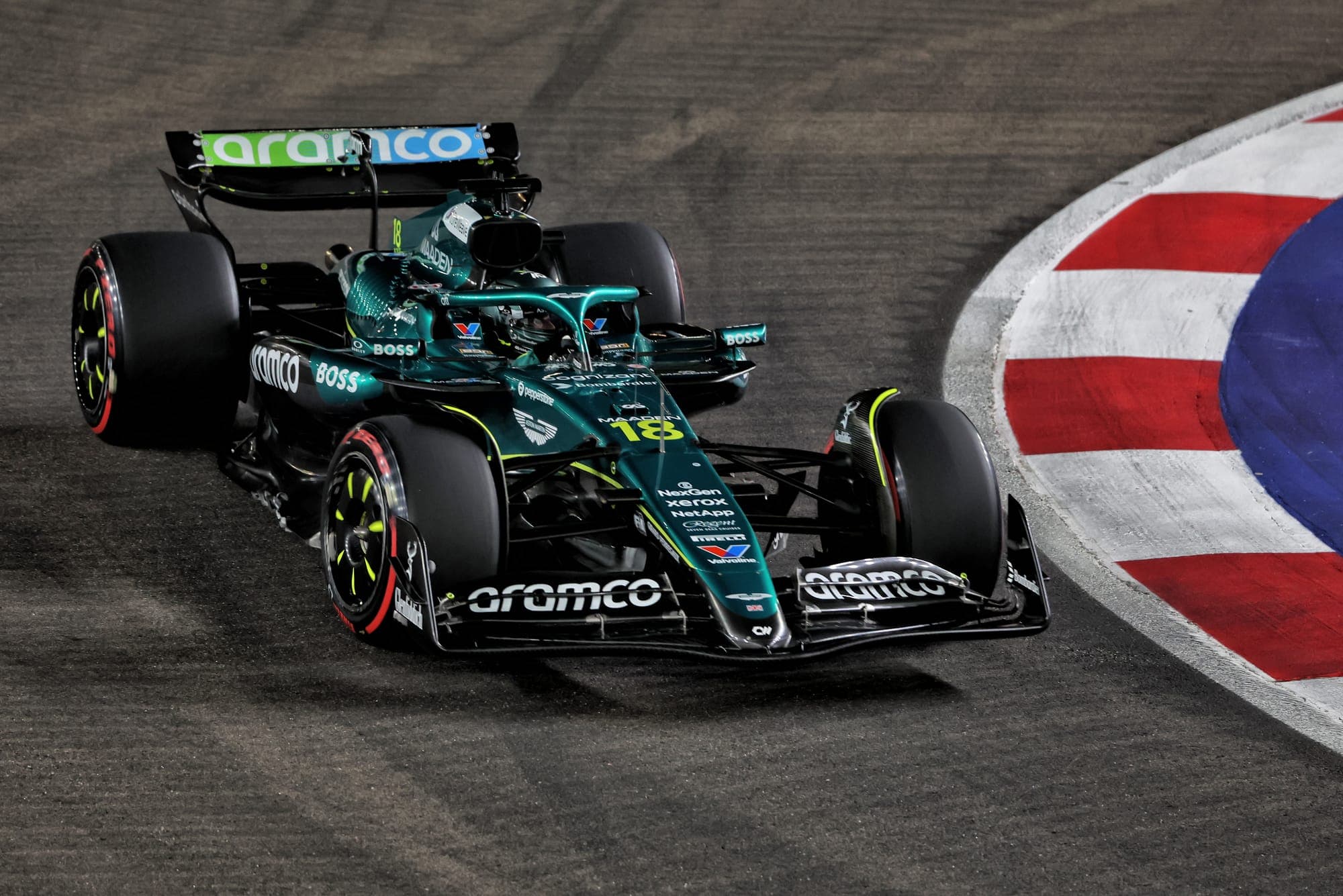
The metronomes of Marina Bay: a masterclass in tyre management
With overtaking being "really complicated", as Isola put it, consistency becomes the most critical weapon in a driver's arsenal. Maintaining track position and flawlessly executing strategy is paramount. The telemetry data reveals who truly mastered this discipline in Singapore.
The king of consistency: Liam Lawson
The data shows that Liam Lawson was the most consistent driver on the grid. With an overall Coefficient of Variation (CV) of just 0.43%. This incredible precision, especially during a long 44-lap stint on the Mediums, demonstrates a level of tyre management that even Pirelli's director praised as a hallmark of the modern era.

The top 5 consistency kings of Singapore
Lawson led a group of drivers who put on a clinic in precision driving. The top five were in a league of their own when it came to hitting their marks lap after lap.
| Rank | Driver | CV |
|---|---|---|
| 1 | Liam Lawson | 0.43% |
| 2 | George Russell | 0.58% |
| 3 | Isack Hadjar | 0.60% |
| 4 | Esteban Ocon | 0.62% |
| 5 | Nico Hülkenberg | 0.65% |
This level of performance validates Isola's lighthearted remark: "To be honest, even if we had brought a theoretical C8 compound here it wouldn’t have made much difference to how the race unfolded!" The drivers have simply become that good at managing what they have.
Ultimately, the telemetry from Singapore, paints a clear picture: in a race where pure pace is limited by the track layout, it is the masters of consistency and tyre management who truly shine.

Simone Scanu
Er ist Softwareentwickler und begeisterter Fan der Formel 1 und des Motorsports. Er ist Mitbegründer von Formula Live Pulse, einem Unternehmen, das Live-Telemetriedaten und Renninformationen zugänglich, anschaulich und leicht verständlich macht.