
The game-changer in F1's 2026 fuel revolution: a deep dive into sustainable power

Today marks the dawn of a new era. As the calendar turns to January 1, 2026, Formula 1 officially enters its most radical transformation since the introduction of the turbo-hybrid era in 2014. While the headlines often focus on the sleek new chassis designs and the return of active aerodynamics, the true "game-changer" is invisible to the naked eye, flowing through the veins of these machines: 100% sustainable fuel.
This isn't just a minor tweak to the chemical composition of what powers an F1 car; it is a fundamental shift in the sport’s philosophy. For the first time in history, the pinnacle of motorsport is decoupling its performance from fossil fuels, proving that 1,000-horsepower monsters can run on carbon-neutral energy without sacrificing the "spectacle" that fans crave.

The science of 100% sustainable fuel: beyond the pump
To understand why this is a revolution, we must look at what is actually inside the tank. Unlike the E10 fuel (10% ethanol) used until the end of 2025, the 2026 regulations mandate a fuel that is entirely sustainable. This means the carbon used to create the fuel is not being extracted from the ground as a new emission. Instead, it is "circular."
Breaking down the chemistry: ASC and SRFAS
The FIA has established the Sustainable Racing Fuel Assurance Scheme (SRFAS) to monitor this transition. According to the regulations, the fuel must be composed of at least 99% advanced sustainable components (ASC). These components are derived from non-food biomass, municipal waste, or carbon capture technology.
The process is a marvel of modern engineering. Carbon dioxide is captured from the atmosphere or industrial processes and combined with green hydrogen (produced via electrolysis using renewable energy) to create a synthetic "drop-in" fuel. This fuel is chemically identical to high-octane gasoline but carries a significantly lower environmental price tag. The FIA targets a minimum of 65% greenhouse gas savings compared to fossil-derived petrol, a figure that is expected to rise as production methods scale.
The 2026 Power Unit: a 50/50 power split
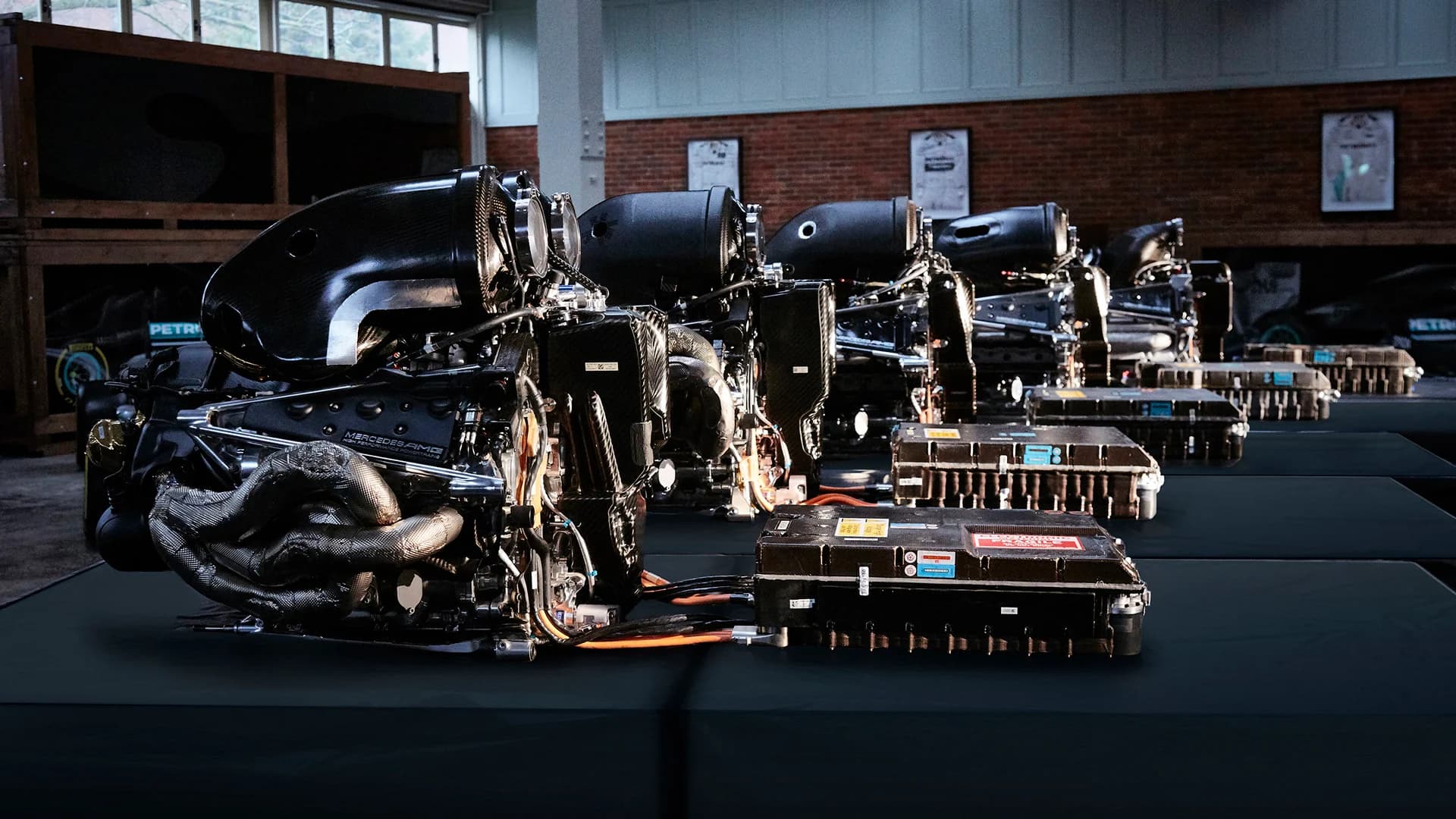
The fuel revolution does not exist in a vacuum. It is the primary enabler for the most significant power unit (PU) change in a generation. The 2026 PU architecture sees the removal of the complex and expensive MGU-H (Motor Generator Unit - Heat), a move designed to attract new manufacturers like Audi and simplify the technology.
To compensate for the loss of the MGU-H, the electrical output of the hybrid system has been massively increased. We are now looking at a near 50/50 split between the Internal Combustion Engine (ICE) and the Energy Recovery System (ERS). While the V6 engine's output drops from roughly 550-600kW to 400kW (approx. 535hp), the battery-powered MGU-K (Motor Generator Unit - Kinetic) jumps from 120kW to a staggering 350kW (approx. 470hp).
The challenge of energy density
Running a high-revving ICE on 100% sustainable fuel while asking it to work in tandem with such a powerful electric motor creates a unique engineering challenge. Sustainable fuels can have different combustion speeds and energy densities compared to traditional fuels. Engineers have spent the last three years redesigning combustion chambers and fuel injection systems to ensure that the "bang" inside the cylinder remains consistent and powerful. The goal was to maintain the iconic sound and high-revving nature of F1 while operating on a completely different chemical foundation.
Impact on performance and racing strategy
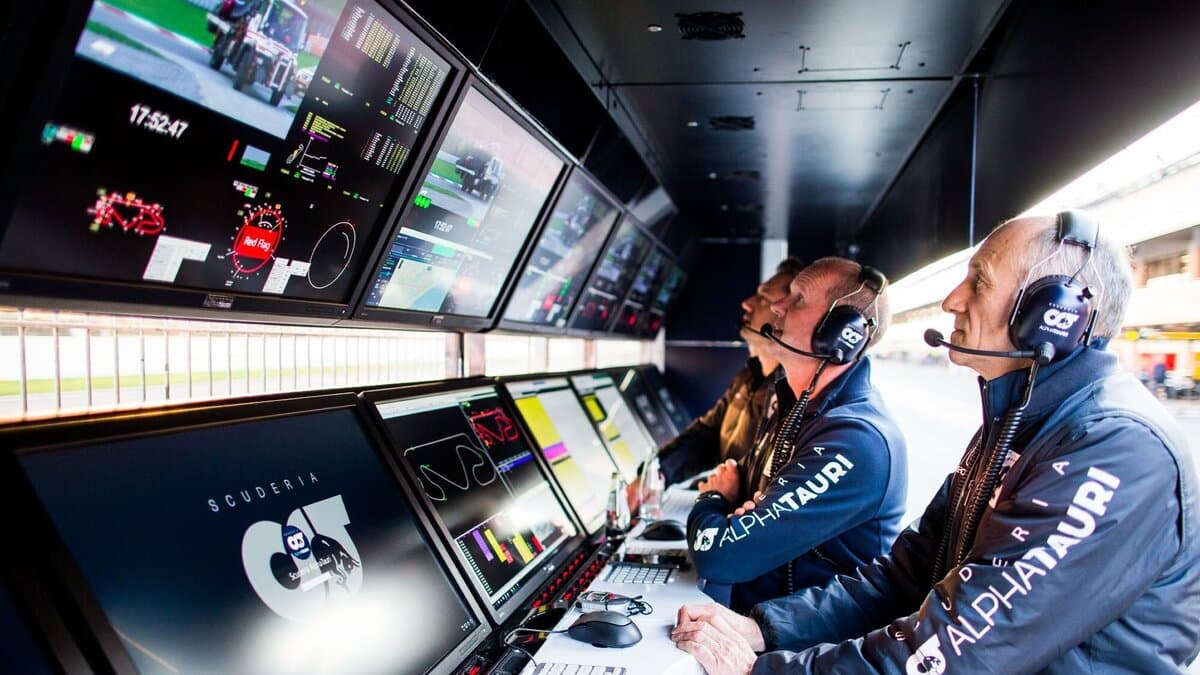
The 2026 regulations aren't just about being "green"; they are about improving the racing. The new cars are 30kg lighter and 10cm narrower, designed to be more nimble on track. However, the way drivers deploy power will be the biggest strategic shift.
The "Override Mode" and Active Aero
With the increased reliance on electrical power, "energy management" becomes the name of the game. Drivers will have access to a new "Override Mode," allowing for increased energy deployment up to 355km/h to facilitate overtaking. This works in conjunction with the new active aerodynamics—moveable front and rear wings that switch between a high-downforce "Z-mode" for corners and a low-drag "X-mode" for straights.
The sustainable fuel plays a silent but critical role here. Because the fuel is engineered for maximum efficiency, teams can run leaner mixtures during the "X-mode" phases, saving weight and energy for the high-intensity "Z-mode" battles. The interaction between the fuel's burn rate and the hybrid's deployment map will be the secret sauce that separates the front-runners from the midfield.
Lessons from the F2 and F3 testing grounds

While 2026 is the big debut for F1, the groundwork was laid years ago in the feeder series. Since 2023, Formula 2 and Formula 3 have been the FIA’s "living laboratories," running on sustainable fuels developed in partnership with Aramco.
These championships proved that sustainable fuels could handle the rigors of a full race weekend across diverse climates—from the heat of Bahrain to the damp of Silverstone—without a single engine failure attributed to the fuel's composition. Crucially, this was achieved without increasing costs for the teams, as the fuel was supplied as part of the technical partnership. This successful "proof of concept" gave the F1 Commission the confidence to mandate 100% sustainability for the premier class.
The path to Net Zero 2030
The 2026 fuel revolution is a cornerstone of F1’s broader "Net Zero by 2030" initiative. While the fuel used in the cars accounts for less than 1% of the sport's total carbon footprint, its symbolic and technological value is immeasurable.
Decarbonizing the circus
The real challenge for F1 lies in logistics and travel. However, the technology developed for the race cars is already trickling down into the transport sector. DHL, F1’s logistics partner, has already seen a 60% reduction in carbon emissions for the European leg of the season by using biofuel-powered trucks. By 2026, the goal is to have the entire paddock—from the motorhomes to the freight planes—utilizing the same sustainable energy principles that power the cars on track.
Competitive implications: a level playing field?
Every major regulation change reshuffles the deck. In 2014, Mercedes mastered the hybrid transition and dominated for nearly a decade. In 2022, Red Bull nailed the ground-effect aerodynamics. Who wins in 2026?
The fuel revolution introduces a new variable: the fuel partner. The collaboration between teams and their fuel suppliers (Petronas for Mercedes, Shell for Ferrari, Mobil 1 for Red Bull/Ford, and BP/Castrol for Alpine) has never been more critical. Because the fuel is synthetic and highly customizable, a supplier that finds a way to increase the energy density of their sustainable blend by even 1% could give their team a decisive advantage on the straights.

Furthermore, the entry of Audi as a full works team and the formal partnership between Red Bull and Ford highlights the industry's interest in this new era. These manufacturers aren't just here to race; they are here to master sustainable fuel technology that will eventually find its way into high-performance road cars.
Conclusion: the future is synthetic
As we watch the cars roll out of the garages for the first practice session of 2026, we are witnessing more than just a race. We are witnessing the survival of the internal combustion engine in a world demanding decarbonization.
The 2026 fuel revolution proves that Formula 1 does not have to choose between its heritage and its future. By embracing 100% sustainable fuels, the sport has ensured that the roar of a V6 engine will continue to echo through the grandstands for decades to come, powered not by the fossils of the past, but by the innovation of the future. The game has officially changed.

Simone Scanu
He’s a software engineer with a deep passion for Formula 1 and motorsport. He co-founded Formula Live Pulse to make live telemetry and race insights accessible, visual, and easy to follow.