
New F1 hazard lights spark debate: innovation or distraction?

The 2026 Formula 1 season has introduced a feature that few anticipated would prove contentious: hazard warning lights integrated into the rear-view mirrors of the new generation of cars. While the FIA championed the addition as a critical safety measure, Sky Sports F1 pundit Ted Kravitz has emerged as a vocal critic of the innovation, labeling the feature "off-putting" during coverage of the Barcelona shakedown testing.
The flashing yellow lights function as hazard indicators similar to those found on road cars, signaling to other drivers when a vehicle is operating at reduced performance. However, the debate over this seemingly straightforward safety addition reveals deeper tensions within motorsport between technological advancement and the sport's aesthetic and practical considerations.

Why the FIA introduced hazard lights

The genesis of the hazard light system stems from a genuine safety concern. During wet conditions—notoriously challenging in Formula 1—traditional rear rain lights, while effective for cars directly behind a competitor, fail to provide adequate visibility when vehicles spin or rejoin the track sideways. As Bernie Collins explained during Sky Sports' coverage of the Barcelona testing: "Before we used to have that big rain light at the back of the car. Now that's very good if you're directly behind the car in front, but, as we so often see in the rain, if a car spins or return to the track either forwards or sideways, there's no light in either of those occasions."
FIA single-seater director Nikolas Tombazis emphasized the safety rationale: "If a car is spinning and is in a lateral position onto ongoing traffic, these lights will help the ongoing car see the spinning car, and therefore, obviously, hopefully avoid it." This capability addresses a critical gap in the sport's existing safety protocols, particularly when visibility is compromised.
Beyond driver safety, the hazard lights serve an additional purpose related to hybrid technology. The indicator system clearly communicates when a car's ERS (Energy Recovery System) remains active, protecting marshals and medical personnel from electrical hazards when attending to stricken vehicles. This represents a meaningful advancement in protocols surrounding modern power units.
Kravitz's critique: aesthetics vs. safety
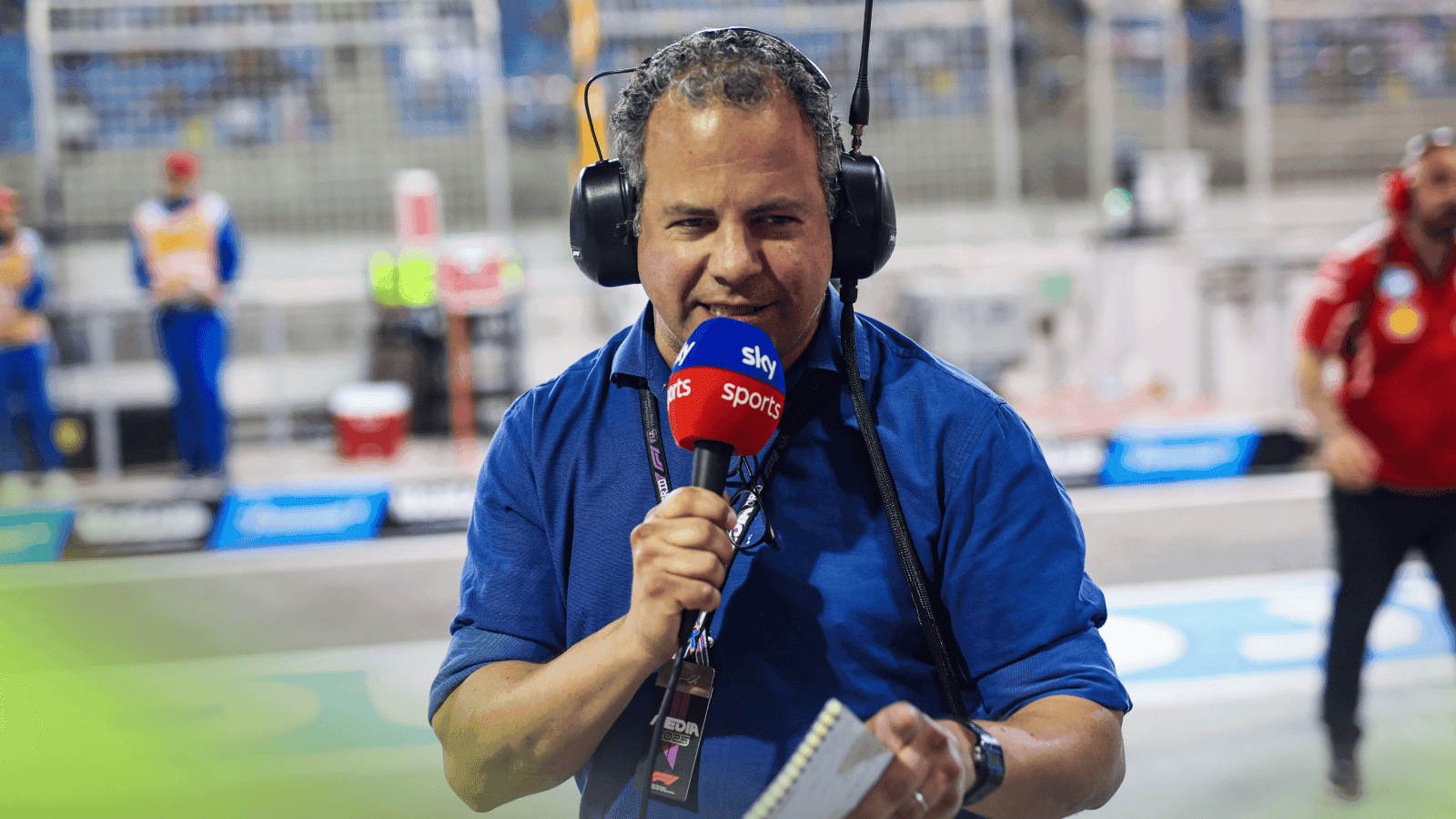
Despite the safety merits, Kravitz's objections highlight the ongoing tension between functionality and the visual presentation of Formula 1. The pundit expressed concern that the hazard lights would create unwanted visual distraction, particularly if visible from multiple angles rather than solely from the side. "I can't be doing with hazard lights on F1 cars," Kravitz stated bluntly, adding that visibility from the front-on perspective would make the feature "off-putting" rather than merely confusing.
This criticism isn't entirely dismissive of safety; rather, it reflects a legitimate concern about whether the implementation achieves its intended purpose without introducing new visual complications to on-track racing. The question remains whether the lights will prove as intrusive as Kravitz anticipates during actual competitive racing, particularly under dry conditions where visibility isn't compromised.
The Barcelona shakedown: first impressions
The controversy emerged during Sky Sports' coverage of the Barcelona shakedown—the first opportunity for teams to test their 2026 machinery without press access or lap limitations. These shakedowns serve as crucial pre-season health checks, allowing engineers to evaluate new design features comprehensively before official testing begins.
Early footage from the Barcelona test, including footage from Isack Hadjar's Red Bull crash, demonstrated the hazard lights in operation, providing real-world context for the system's functionality.
Looking forward
As teams progress through the 2026 season, the practical utility of hazard warning lights will become clearer. While Kravitz's aesthetic objections carry weight within enthusiast circles, the FIA's prioritization of safety—particularly regarding electrical hazard awareness and wet-weather visibility—represents a measured evolution of Formula 1's safety standards. Whether the new feature will prove as distracting as predicted or become an accepted element of the modern racing environment remains to be seen when the championship begins in earnest.

Simone Scanu
He’s a software engineer with a deep passion for Formula 1 and motorsport. He co-founded Formula Live Pulse to make live telemetry and race insights accessible, visual, and easy to follow.