
Active Aerodynamics explained: the technical innovation reshaping driver workload in F1 2026

Formula 1's transformation in 2026 represents perhaps the most fundamental regulation shift the sport has witnessed in the modern era. While headlines have focused on hybrid power units and the arrival of new manufacturers like Cadillac, one of the most significant technical innovations flying somewhat under the radar is the introduction of active aerodynamics—a system that fundamentally alters how drivers interact with their cars and manage race strategy. This isn't simply a return to technologies of yesteryear; it's a calculated evolution designed to enhance racing spectacle while placing unprecedented responsibility directly in the hands of the drivers themselves.
During the Barcelona shakedown test in early 2026, nearly every driver emerged from the cockpit with a consistent refrain: "It's very different from what we're used to." That sentiment extends far beyond general acclimation to new machinery. The 2026 cars demand a level of active management that hasn't been seen at Formula 1's elite level for decades, fundamentally altering the cognitive load drivers must manage while simultaneously extracting maximum performance from their machines.
Understanding Active Aerodynamics: the fundamental mechanics
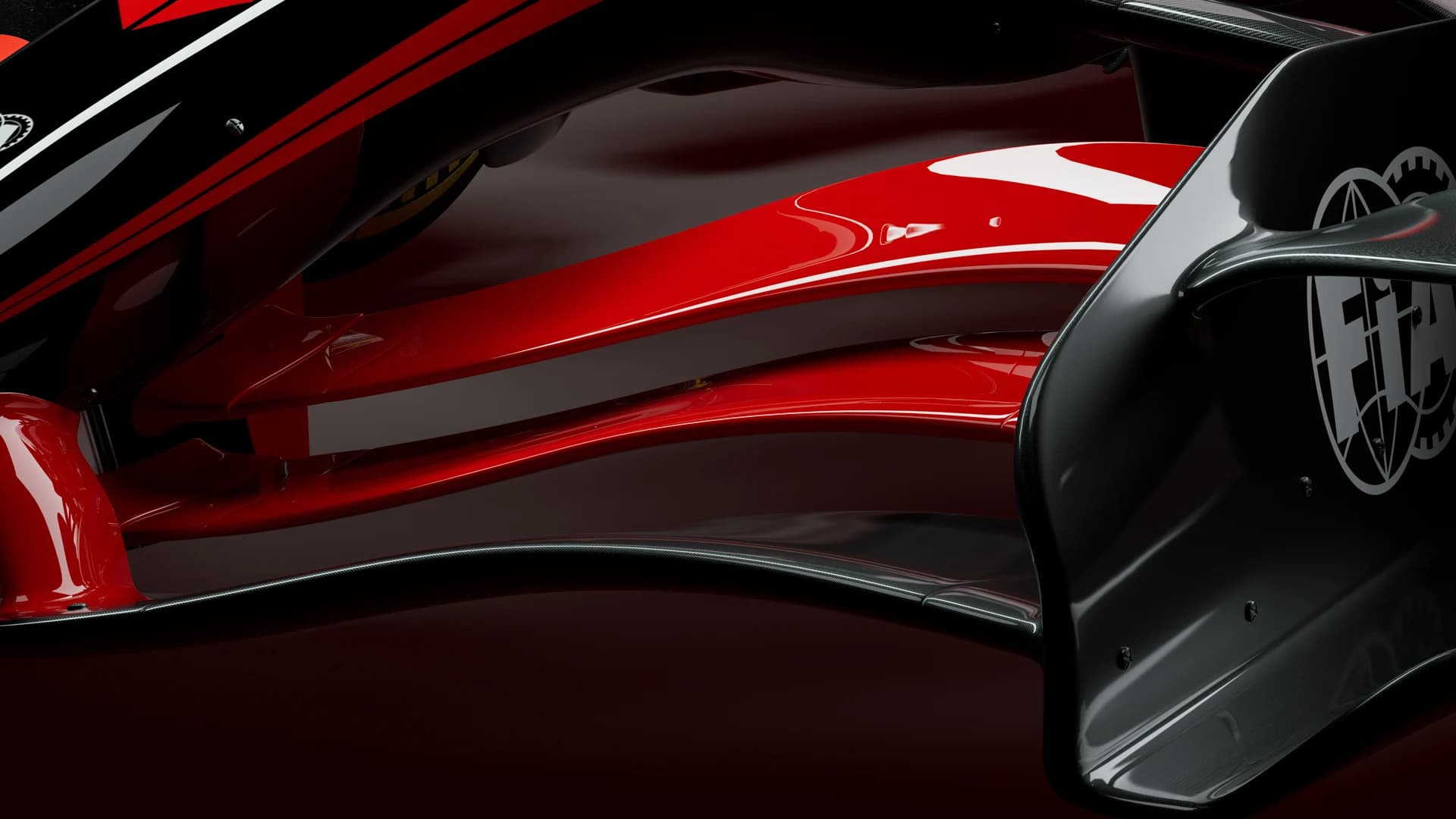
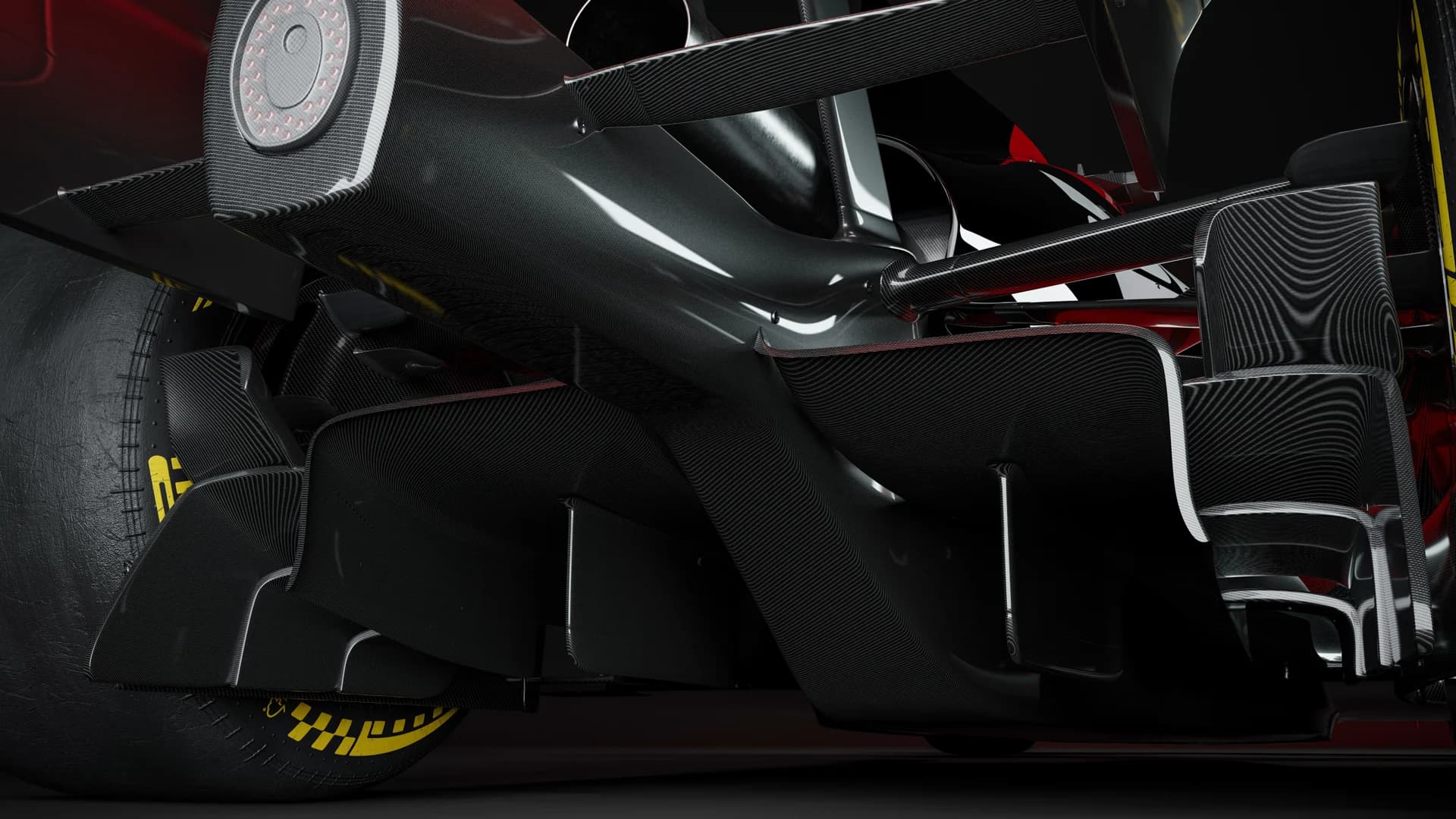
Active aerodynamics in the 2026 F1 cars represents a deliberate design philosophy aimed at balancing downforce generation with straight-line efficiency—a critical requirement given the substantial increase in electrical power available from the new hybrid power units. The system operates on a elegantly simple principle with profound implications for on-track performance: on designated straights, the rear wing opens up to reduce drag, while the second and third elements of the front wing flatten out simultaneously.
This coordinated movement is neither random nor arbitrary. The aerodynamic changes are specifically engineered to complement the 2026 power unit formula, which produces 350 kW of electrical power from the MGU-K—substantially more than the previous generation. Without this active aero system, the additional electrical output would translate into increased top-speed but would be fundamentally compromised by aerodynamic drag on the straights. Conversely, maintaining maximum downforce throughout entire lap cycles would squander the performance benefits of the enhanced electrical power delivery.

The FIA's regulatory framework governing active aerodynamics is detailed in Article B7.1.1 of the 2026 regulations, which establishes the concept of 'Activation Zones' defined for each circuit. As stipulated in the regulations, "The FIA will provide all competitors with relevant information regarding the defined Activation Zone(s) for a circuit… to be used when full activation of the Driver Adjustable Bodyway is enabled, no less than four weeks prior to the start of the relevant competition."
These activation zones are marked by trackside signage in a manner similar to the former DRS detection zones, creating a visual reference point for drivers navigating the complexity of active aero deployment. However, the critical distinction lies in frequency and application: whereas DRS could only be employed when a driver was within one second of a car ahead, active aerodynamics can be utilized every single lap on designated straights. This represents an exponential increase in the number of decisions drivers must make during a race distance spanning 305 kilometers or two hours of continuous racing.
The evolution from DRS to Active Aerodynamics
To properly contextualize the significance of active aerodynamics, understanding the evolution from its predecessor system is essential. DRS (Drag Reduction System), introduced in 2011, represented F1's first concerted effort to artificially enhance overtaking opportunities by reducing aerodynamic drag on the pursuing vehicle. The system was elegant in its limitation: it could only be deployed in specific zones when tactical conditions were met, fundamentally constraining its usage to genuine overtaking attempts.
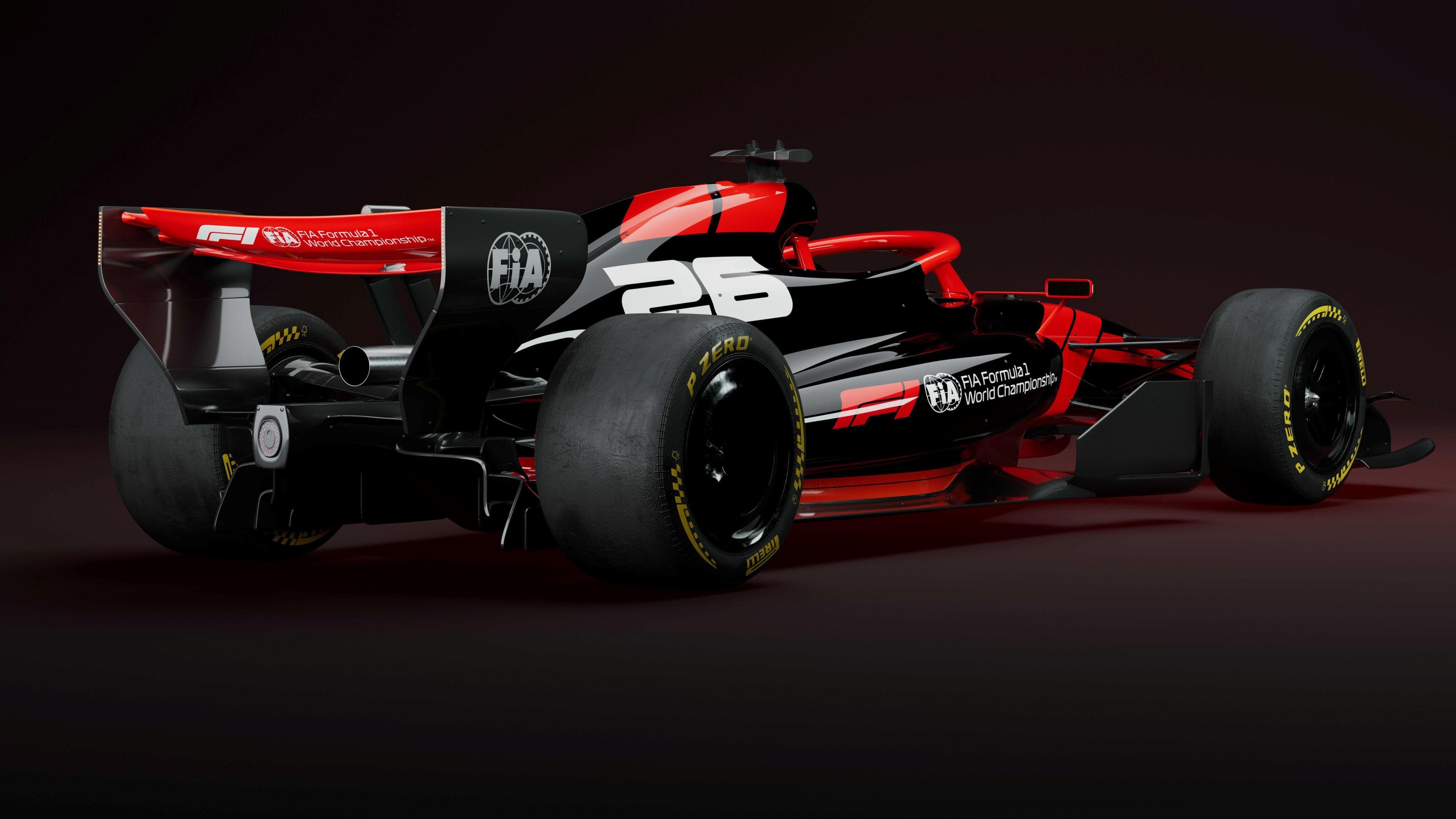
Active aerodynamics, by contrast, operates under fundamentally different parameters. The system functions automatically on designated straights rather than solely as an offensive tool for overtaking maneuvers. Drivers can manually close the wings at the end of activation zones, though this closure occurs automatically when drivers lift off the throttle or apply the brakes—removing an additional decision point.
Critically, the operational scope of active aero zones far exceeds that of previous DRS zones. On circuits with multiple extended straight sections, drivers may encounter dozens of activation opportunities across a single lap. This proliferation of deployment occasions transforms active aerodynamics from an occasional tactical element into a continuous management responsibility.
Partial activation: regulatory flexibility for variable conditions
Recognizing that absolute rules rarely accommodate the infinite variables of motorsport conditions, FIA regulations incorporated a "partial activation" provision specifically designed for adverse weather scenarios. When full activation is deemed inappropriate—particularly during wet-weather conditions—race control possesses the authority to enable partial activation mode, wherein only the front wing adopts straight-line configuration while the rear wing remains in its standard cornering position.
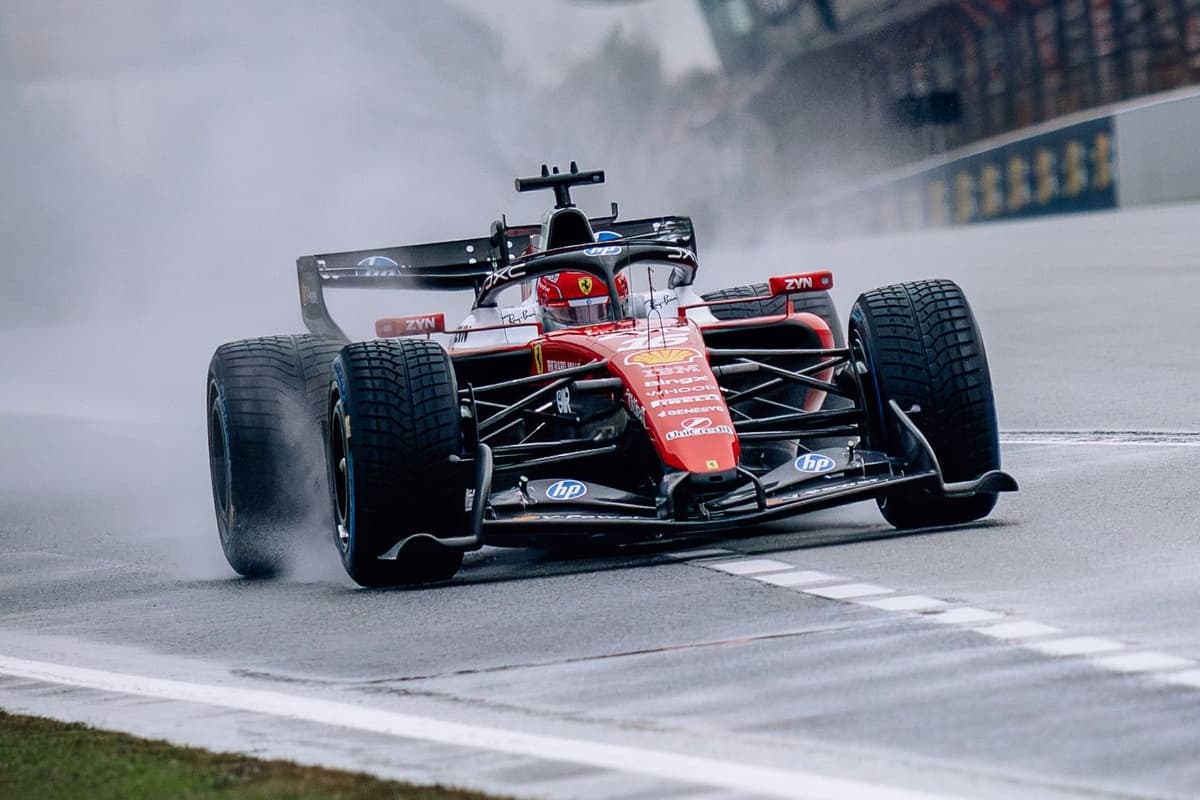
This regulatory flexibility serves multiple objectives. First, it maintains safety protocols by preventing potentially destabilizing aerodynamic changes during conditions where drivers face reduced grip and visibility. Second, it demonstrates the FIA's commitment to evolutionary regulation-making, acknowledging that real-world conditions often demand adaptive responses to predetermined rules. The inclusion of partial activation represents regulatory wisdom born from decades of managing edge-case scenarios that inevitably arise when introducing new technologies to motorsport's unpredictable environment.
Overtake Mode: replacing DRS with strategic sophistication
While active aerodynamics handles the technical aspects of drag reduction, Overtake Mode—the spiritual successor to DRS—serves as the primary offensive weapon for drivers seeking position changes. This system represents another layer of driver responsibility, functioning as a push-to-pass system that grants drivers tactical authority over power deployment during critical racing moments.

The integration of Overtake Mode with active aerodynamics creates a complex strategic ecosystem. Drivers must not only decide when to deploy additional electrical power for overtaking attempts but must simultaneously manage their approach through activation zones. The psychological and cognitive demands multiply exponentially when considering that Overtake Mode can be deployed multiple times per lap in theory, whereas historical DRS provided significantly more limited opportunities.
Electrical power management: the strategic dimension
Perhaps the most consequential aspect of driver responsibility in 2026 stems from electrical power management. With 350 kW available from the MGU-K—a substantial increase from previous generations—drivers possess genuinely meaningful authority over energy deployment strategy that extends well beyond predetermined systems.
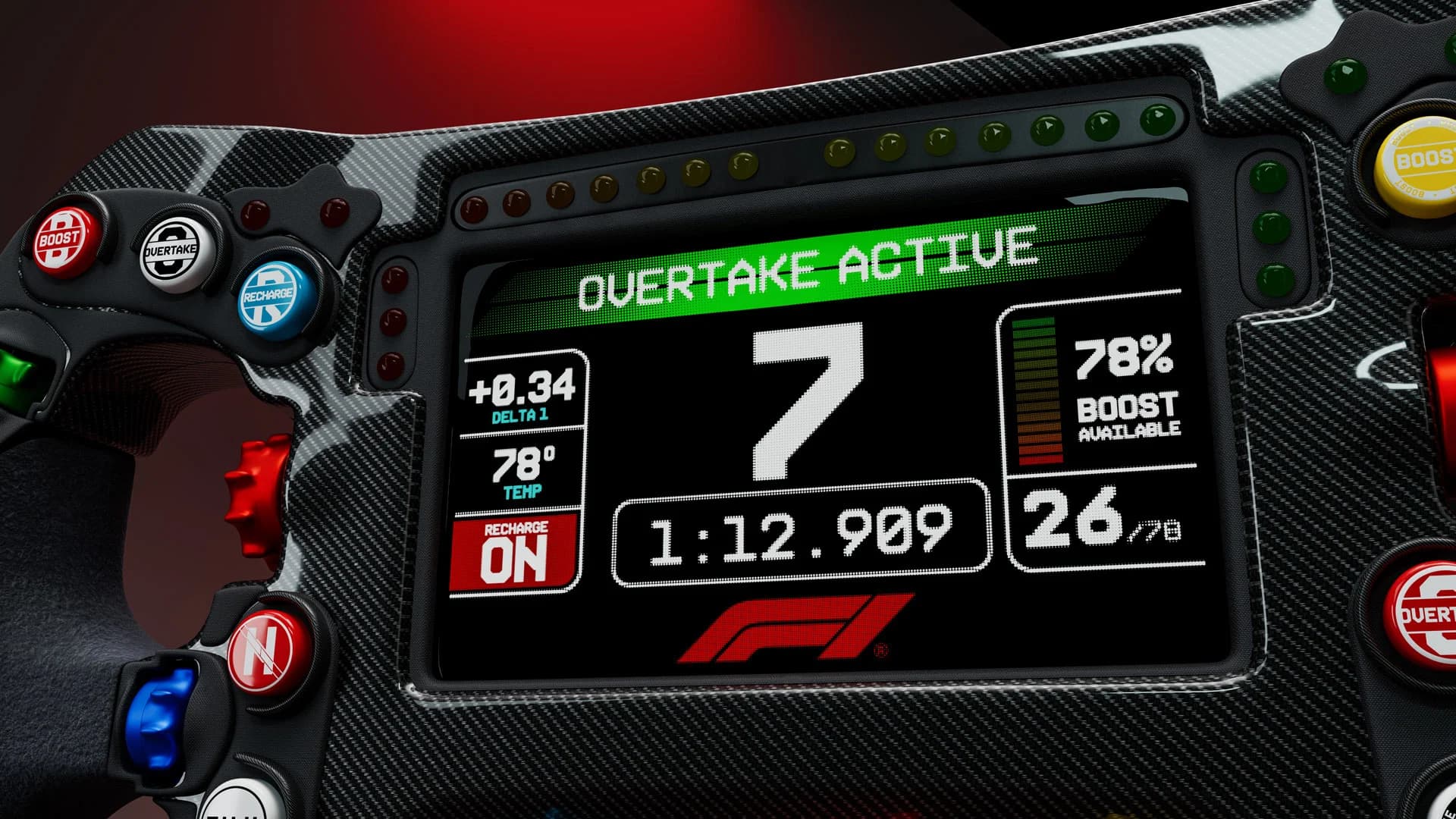
Working in concert with their race engineers, drivers can select from multiple recharge modes, determining when and how aggressively to harvest energy from braking and engine recovery systems. The tactical implications are profound: where exactly should a driver maximize electrical harvesting? Which straights warrant aggressive Overtake Mode deployment, and which should be reserved for strategic positioning? These questions transform Formula 1 from a sport primarily concerned with qualifying performance and racecraft into one where energy management philosophy fundamentally shapes competitive outcomes.
Lewis Hamilton articulated this challenge when discussing his transition to Ferrari for the 2026 season: "This is the period of time where you have to learn to be the most efficient driver that you've ever been, and that's utilising all the tools you have in your armoury as a driver to save fuel, to recharge, utilise the power, use the grip, and put all these things together."
The workload question: complexity versus manageability
The introduction of active aerodynamics, Overtake Mode, enhanced electrical power management, and the fundamental changes to power unit characteristics creates an undeniable increase in cockpit workload. The legitimate question emerges: have the regulations created a situation where driver cognitive load exceeds practical management capabilities?
Early feedback from Barcelona testing provides reassuring but nuanced data. Nikolas Tombazis, the FIA's head of single-seater racing, acknowledged the subjectivity inherent in workload assessment: "What one driver may think is totally okay for him, maybe for another driver, it's not totally okay." This recognition of individual variance in mental bandwidth represents sophisticated regulatory thinking—acknowledging that driver preferences and capabilities exist along a spectrum rather than as universal constants.
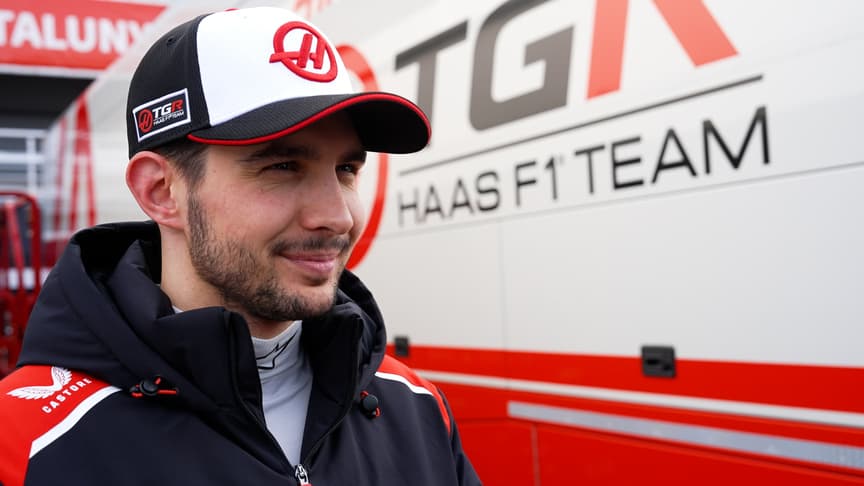
Esteban Ocon's feedback proved representative of the emerging consensus: while describing the cockpit environment as "very complicated" with Ferrari power units, he emphasized that sufficient simulator preparation mitigated potential concerns. Andrea Kimi Antonelli similarly characterized the situation as "still doable," emphasizing that "it requires a bit more management, but it's all doable."
Valtteri Bottas, returning to the grid with Cadillac and possessing extensive experience across multiple regulation changes, noted in simulator testing that the workload demands exceeded previous experiences: "I've seen in simulator it is more work. It's more management for the driver." However, he anticipated that as teams develop systematic approaches throughout the season, complexity would diminish—a historical pattern observed during previous regulation transitions, such as the 2014 hybrid power unit introduction.
Strategic implications: the potential for novel overtaking opportunities
The theoretical potential for enhanced racing variety represents perhaps the most compelling argument for active aerodynamics complexity. With multiple power management modes available and activation zones distributed throughout each circuit, teams theoretically possess unprecedented flexibility in crafting circuit-specific strategies. Some team principals have speculated that overtaking opportunities might emerge in unconventional locations as teams diverge in power deployment philosophy.
However, practical reality suggests convergent strategy development. Teams possessing superior simulation infrastructure and aerodynamic understanding will likely converge toward optimized energy management philosophies for each circuit. Rather than creating numerous viable strategic variations, regulation designers should anticipate that elite teams will discover the theoretically optimal approach and implement it consistently.
The FIA's philosophical commitment: drivers at center stage
Underpinning the 2026 regulations lies a deliberate philosophical commitment from the FIA to restore drivers to a more central role in competitive outcomes. This philosophy explicitly rejects the notion that Formula 1 should restrict driver input to steering and throttle inputs. Instead, the regulatory framework acknowledges that genuine motorsport competition benefits from expanded driver responsibility and tactical autonomy.
Hamilton echoed this philosophy when discussing the regulations' most fundamental aspects: "It's the biggest regulation shift I think our sport has seen, at least in my time. Everyone starts from scratch, so it really levels the playing field. Then it's really all about development, who can develop faster, who comes up with the best ideas, and then a unified team growing at the same pace."
Conclusion: a new era of driver engagement
The 2026 active aerodynamics system, viewed through the comprehensive lens of Overtake Mode, electrical power management, and traditional driving technique, represents far more than a technical specification in regulations. It embodies a philosophical commitment to driver-centric competition that distinguishes Formula 1 from increasingly autonomous technological systems. While early Barcelona testing confirmed increased cockpit demands, initial driver feedback suggests these demands exist within manageable parameters, albeit requiring substantial adaptation.
As the 2026 season unfolds, the true impact of active aerodynamics will be revealed through countless on-track decisions, innovative strategic implementations, and the emergent patterns that define competitive hierarchies. What remains certain is that formula 1 drivers have never faced more direct responsibility for extracting performance from their machines—and that responsibility begins with mastering active aerodynamics.

Simone Scanu
He’s a software engineer with a deep passion for Formula 1 and motorsport. He co-founded Formula Live Pulse to make live telemetry and race insights accessible, visual, and easy to follow.