
FIA closes another 2026 engine loophole as manufacturers push boundaries

The Formula 1 grid is set to undergo one of its most significant technical overhauls in recent memory with the introduction of the 2026 engine regulations, but the path toward this regulatory reset has already been fraught with controversy. With manufacturers actively probing the boundaries of the new technical specifications, the FIA has found itself in the position of having to constantly monitor and refine regulations to prevent loopholes from being exploited before a single lap is completed under the new rules. The latest closure of an engine exploitation avenue underscores the complexity of introducing new technical regulations in modern Formula 1 and the cat-and-mouse game that inevitably ensues between the sport's governing body and its competitors.
The 2026 engine regulations: a new era for Power Units
The 2026 power unit regulations represent a watershed moment for Formula 1 as the sport attempts to attract new manufacturers while simultaneously making the sport more sustainable and technologically relevant. These new engines are designed to place greater emphasis on electrical power generation compared to current hybrid units, with increased MGU-K (Motor Generator Unit-Kinetic) output and enhanced battery systems intended to make the sport more appealing to road-car manufacturers focused on electrification.
However, the introduction of significantly revised technical specifications has created numerous grey areas within the rulebook. Manufacturers, understandably keen to maximize their competitive advantage from day one, have been actively investigating potential interpretations of the new regulations that might offer performance gains. This is not necessarily nefarious behavior—it is standard practice in Formula 1 for technical teams to explore the limits of what is permitted under the rules. The problem emerges when those explorations reveal unintended loopholes or grey areas that the FIA's technical department had not anticipated.

The compression ratio controversy
Among the various technical disputes surrounding the 2026 regulations, the compression ratio issue has proven particularly contentious. The search for performance advantages has led manufacturers to investigate how the new compression ratio specifications—which were deliberately revised for 2026—might be circumvented or exploited through clever engineering solutions.
The technical specifications for compression ratios were reduced for 2026 compared to previous regulations, a change designed to ensure competitive balance and impose certain limitations on engine performance. However, manufacturers have allegedly discovered methods to achieve comparable compression characteristics through alternative mechanical approaches. The FIA has acknowledged awareness of this debate and the various technical interpretations that teams have been proposing.
What makes this situation particularly complex is that the homologation procedures—the formal approval process through which manufacturers submit their power unit designs to the FIA—had not been substantially updated despite the regulatory changes. This procedural consistency created an opportunity for manufacturers to potentially exploit new possibilities that emerged from the modified technical parameters. In essence, while the rules themselves changed, the mechanisms for verifying compliance with those rules had remained largely static, creating a potential mismatch between regulatory intent and practical enforcement.
Manufacturers testing the boundaries
The behavior of manufacturers in investigating these grey areas should come as no surprise to anyone familiar with Formula 1's competitive culture. Throughout the sport's history, teams have consistently pushed technical boundaries to extract marginal performance advantages. The 2026 regulations, being entirely new, naturally contain areas where the regulatory language might be interpreted in multiple ways or where unforeseen loopholes exist.
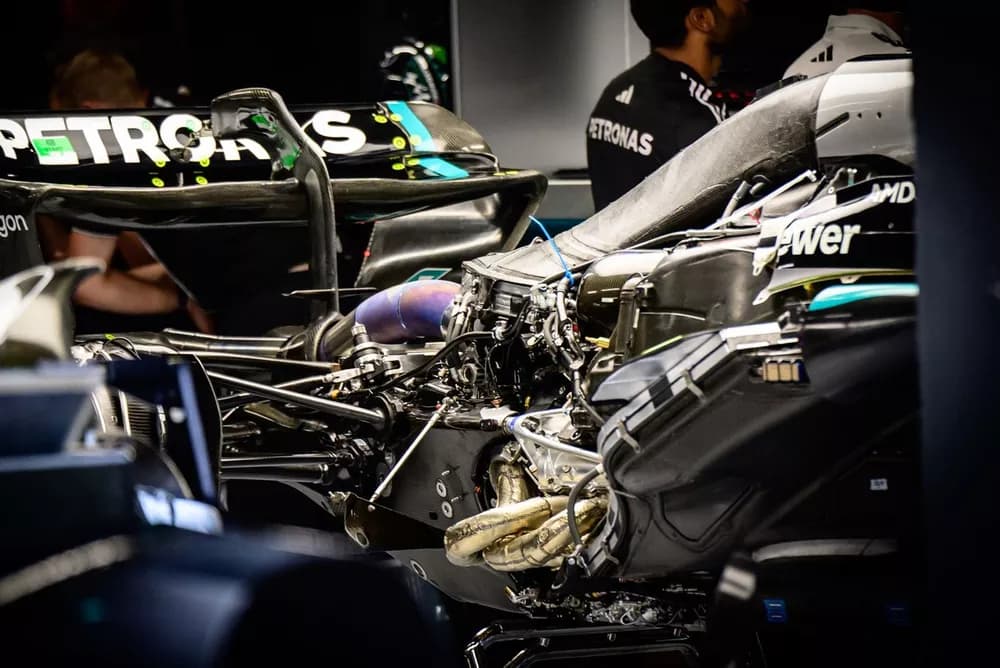
The FIA concedes that the matter over the compression ratio issue has triggered considerable debate within the paddock. Multiple manufacturers have been involved in discussions about permissible approaches to meeting the new specifications. Some teams have reportedly begun developing solutions based on interpretations that exploit these grey areas, while others have awaited clarification before committing resources to particular design philosophies.
The significance of this situation lies in the timing. Teams are currently in the homologation phase for their 2026 power units—a critical period where fundamental design decisions are being finalized and submitted for FIA approval. Any loopholes that exist at this stage could potentially provide one or two manufacturers with a significant competitive advantage for an extended period, even if the FIA eventually closes the loophole midseason.
The FIA's response and regulatory closure
In response to the proliferation of grey areas and potential exploitations, the FIA has taken proactive measures to close off avenues before they can be fully weaponized by manufacturers. The most recent intervention involved cutting off another potential exploitation path, demonstrating the FIA's commitment to maintaining competitive integrity from the outset of the new regulations.
The challenge facing the FIA is that any rules closure risks disadvantaging manufacturers who have not yet developed solutions based on those grey areas. The sport's governing body must balance the need for competitive fairness with the practical reality that clarifications issued late in the homologation process can be disruptive. However, the regulations do provide for a specific mechanism to address this situation: rules or technical interpretations that go beyond the standard technical regulations but are deemed permissible can only be admitted until the end of the championship during which they are introduced. This sunset provision allows teams that were not running the trick to develop it once they become aware of the exploitation, theoretically creating a level playing field before the season begins.

Implications for competitive balance
The compression ratio controversy and the broader pattern of loopholes being discovered and closed raises important questions about competitive balance heading into 2026. Formula 1 is facing its first significant showdown over the new regulations, and the early indications suggest a regulatory framework that, while well-intentioned, contains sufficient ambiguities to keep the FIA's technical team working overtime.
One potential resolution to the controversy at the start of the season could allow those manufacturers that are not running the trick to develop it quickly, ensuring parity among competitors. However, this approach has its own complications, as it could incentivize sandbagging during early season testing or create situations where sudden performance jumps in midseason are attributed to exploitation of newly clarified rules rather than genuine development progress.
The situation also highlights the challenge of introducing entirely new power unit regulations in the modern Formula 1 era. With the sport's technical complexity at an all-time high and manufacturers employing hundreds of engineers dedicated to extracting marginal advantages, even the most meticulously crafted technical regulations will contain unforeseen interpretations. The 2026 engine rules appear to be no exception.
Looking ahead to 2026
As we progress toward the 2026 season, the FIA will need to maintain vigilant oversight of the homologation process and remain responsive to any new loopholes or grey areas that emerge. The regulatory framework, while restrictive in many ways, must also provide sufficient clarity that manufacturers can commit to design philosophies with confidence that they will not be subject to retroactive rule changes.
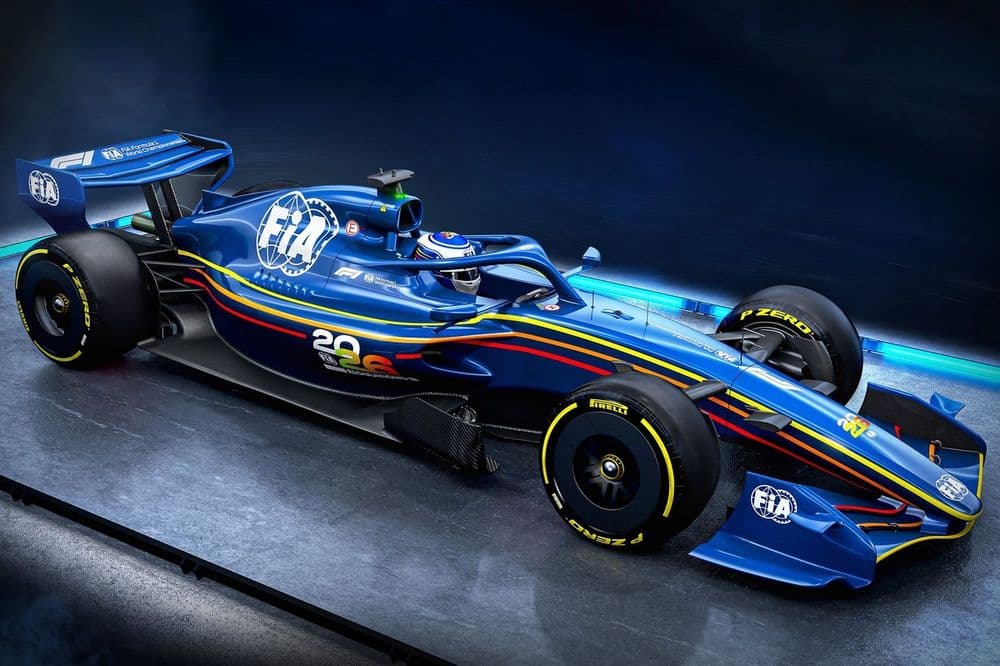
The broader lesson from this early controversy is that Formula 1's regulatory structure, particularly in the power unit arena, operates as a dynamic and evolving ecosystem. Manufacturers will continue to probe boundaries; the FIA will continue to tighten specifications where necessary. This cyclical relationship is not necessarily unhealthy—it ensures that regulations remain effective and prevents systematic exploitation. However, it also creates uncertainty during critical design phases, which manufacturers understandably find frustrating.
The 2026 engine loophole controversy will likely not be the last chapter in this regulatory story. As teams complete homologation and move toward the 2026 season, additional grey areas may well emerge, requiring further FIA intervention. The sport's governing body faces the ongoing challenge of maintaining competitive integrity while allowing sufficient technical freedom to attract manufacturers and keep the sport innovative and relevant.
What remains clear is that the transition to 2026 will not be a simple matter of switching on new engines and beginning a new era. Instead, it will be a period of continuous regulatory refinement, technical debate, and strategic positioning by manufacturers seeking to maximize their advantage within the bounds of the rules—exactly as Formula 1 has always functioned.

Simone Scanu
He’s a software engineer with a deep passion for Formula 1 and motorsport. He co-founded Formula Live Pulse to make live telemetry and race insights accessible, visual, and easy to follow.