
Honda unveils RA626H engine for 2026 F1 season: but one critical design detail remains under wraps

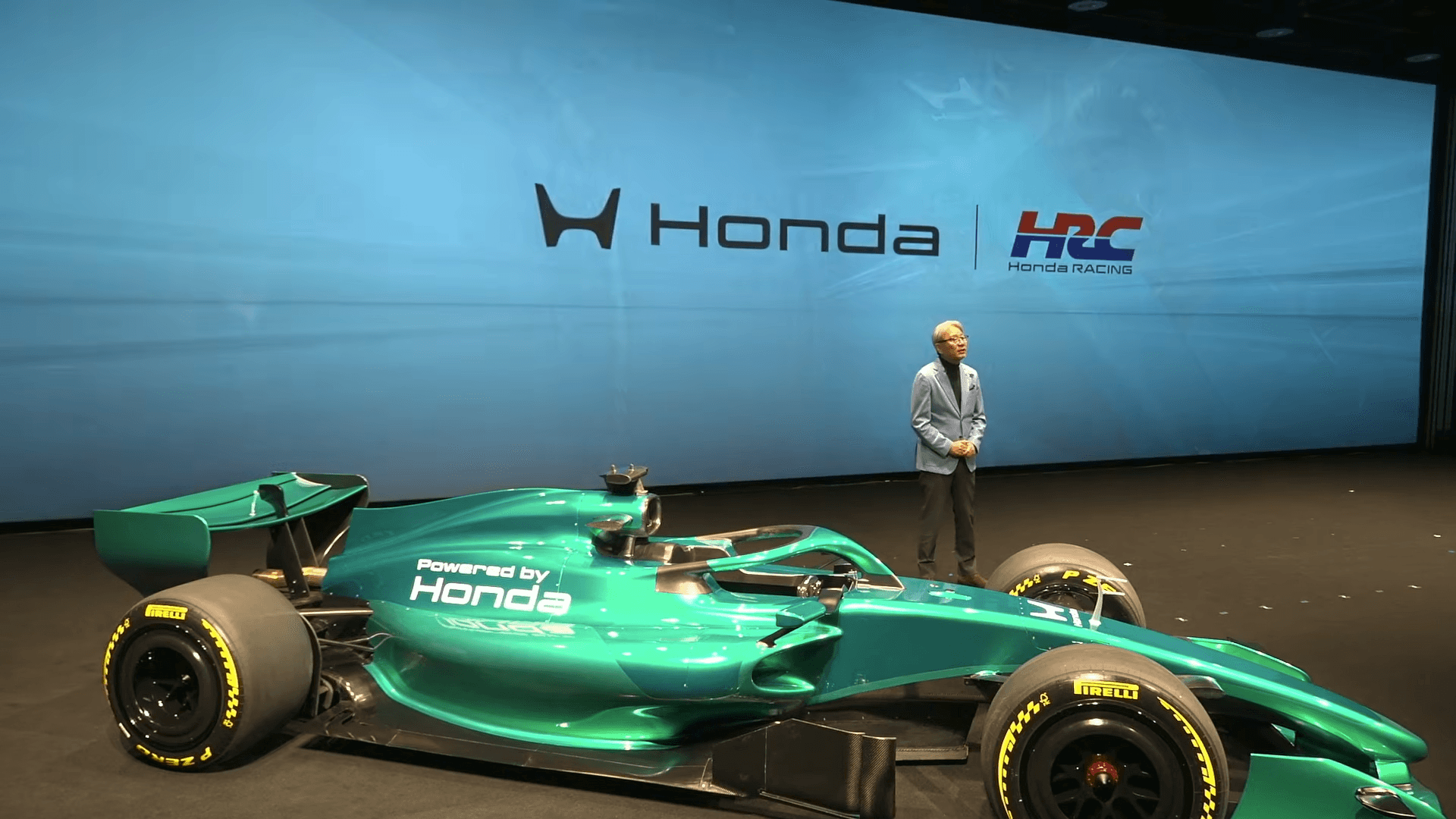
Honda returned to Formula 1 with a bang on Tuesday, unveiling the RA626H power unit at a glittering launch event in central Tokyo. The Japanese manufacturer's partnership with Aston Martin marks a seismic shift in the sport's competitive landscape heading into 2026, yet the engine reveal came with an intriguing twist: Honda deliberately kept a critical design element hidden from public view.
While the manufacturer displayed the engine prominently on stage from a single angle, releasing official media imagery from that same vantage point, Honda later published additional images on social media with a key portion of the lower assembly deliberately blurred. This calculated move speaks volumes about the competitive intelligence war heating up before the new regulation cycle even begins.
What we know about the RA626H
The RA626H represents the first power unit engineered under F1's radical 2026 regulations, featuring a dramatic shift in philosophy. Most notably, the engine eliminates the MGU-H entirely, replacing it with a significantly upgraded MGU-K and substantially increased electrical output. The result is a roughly 50/50 split between internal combustion engine and hybrid power—a transformation that fundamentally reshapes how energy flows through a modern Formula 1 car.
This electrical revolution is visually evident: the new power unit features a markedly larger battery pack and control electronics (housed in the distinctive orange box visible during the unveiling) compared to the outgoing hybrid systems. The increased electrical contribution—roughly three times greater than current-generation engines—reflects the sport's commitment to both electrification and decarbonisation, with all 2026 engines running on advanced sustainable fuel.
## The hidden details that matter most
Here's where the strategic secrecy becomes crucial. The blurred section on social media likely conceals the positioning of the MGU-K, routing architecture, and cooling pathways—the genuine differentiators between competitive power units. These integration details, far more than the engine's visible external geometry, determine whether a power unit delivers a marginal advantage or a comprehensive performance edge.
"The positioning of key items, routing and cooling choices are bigger differentiators than simply the engine's largest shapes," according to technical analysis of Honda's approach. In other words, what you can't see matters more than what you can.
This deliberate opacity reflects the high stakes of Honda's return. The manufacturer has lost significant development time since withdrawing from F1 in 2021, then pivoting back toward Aston Martin just as Adrian Newey joined the Silverstone squad. Keeping thermal management and component positioning proprietary is standard practice—but the specific decision to blur those areas signals Honda views its cooling and integration strategy as a genuine competitive advantage in an untested regulatory environment.
Honda's new act in F1
Honda's Tokyo event attracted heavyweight attendance: F1 CEO Stefano Domenicali, Honda president Toshihiro Mibe, and Aston Martin executive chairman Lawrence Stroll all participated. Mibe emphasized that Honda views Formula 1 as a "platform for challenge and innovation" in the new era, with the partnership designed as a fully integrated works relationship where chassis and power unit develop in lockstep.
The engine also carries a redesigned Honda 'H' logo, symbolizing what Mibe called "the transformation of Honda automobile business". This rebrand underscores Honda's commitment to this partnership and the new regulations, a stark contrast to the manufacturer's apparent ambivalence during its McLaren tenure (2015-2017).
What comes next
Aston Martin will conduct private testing at Circuit de Catalunya beginning January 26, before the official car unveiling on February 9. The real test arrives during pre-season testing in Bahrain, where Honda's thermal management claims, integration philosophy, and 50/50 power delivery will face genuine scrutiny.
Until then, that blurred section remains a tantalizing mystery—a reminder that in Formula 1, what teams choose to hide often reveals as much as what they choose to show.

Simone Scanu
He’s a software engineer with a deep passion for Formula 1 and motorsport. He co-founded Formula Live Pulse to make live telemetry and race insights accessible, visual, and easy to follow.