
Lewis Hamilton hails Ferrari's productive 121 laps during the first day of Barcelona testing

Ferrari's first day of 2026 Formula 1 pre-season testing proved "very challenging" due to rain, yet delivered promising results with Lewis Hamilton and Charles Leclerc combining to complete 121 laps despite treacherous conditions. The Barcelona shakedown marked the beginning of Formula 1's most significant technical overhaul since the introduction of turbo-hybrid power units in 2014, and Ferrari navigated it without major reliability issues—a testament to the meticulous preparation at Maranello.
The Scuderia strategically opted to skip the first day of the five-day closed-door test and instead debuted the SF-26 on Tuesday, joining only Red Bull on track as other teams avoided the predicted afternoon precipitation. However, rain arrived earlier than expected, complicating the afternoon session when Hamilton took the wheel after Leclerc's morning stint.

Maximizing opportunities in challenging conditions
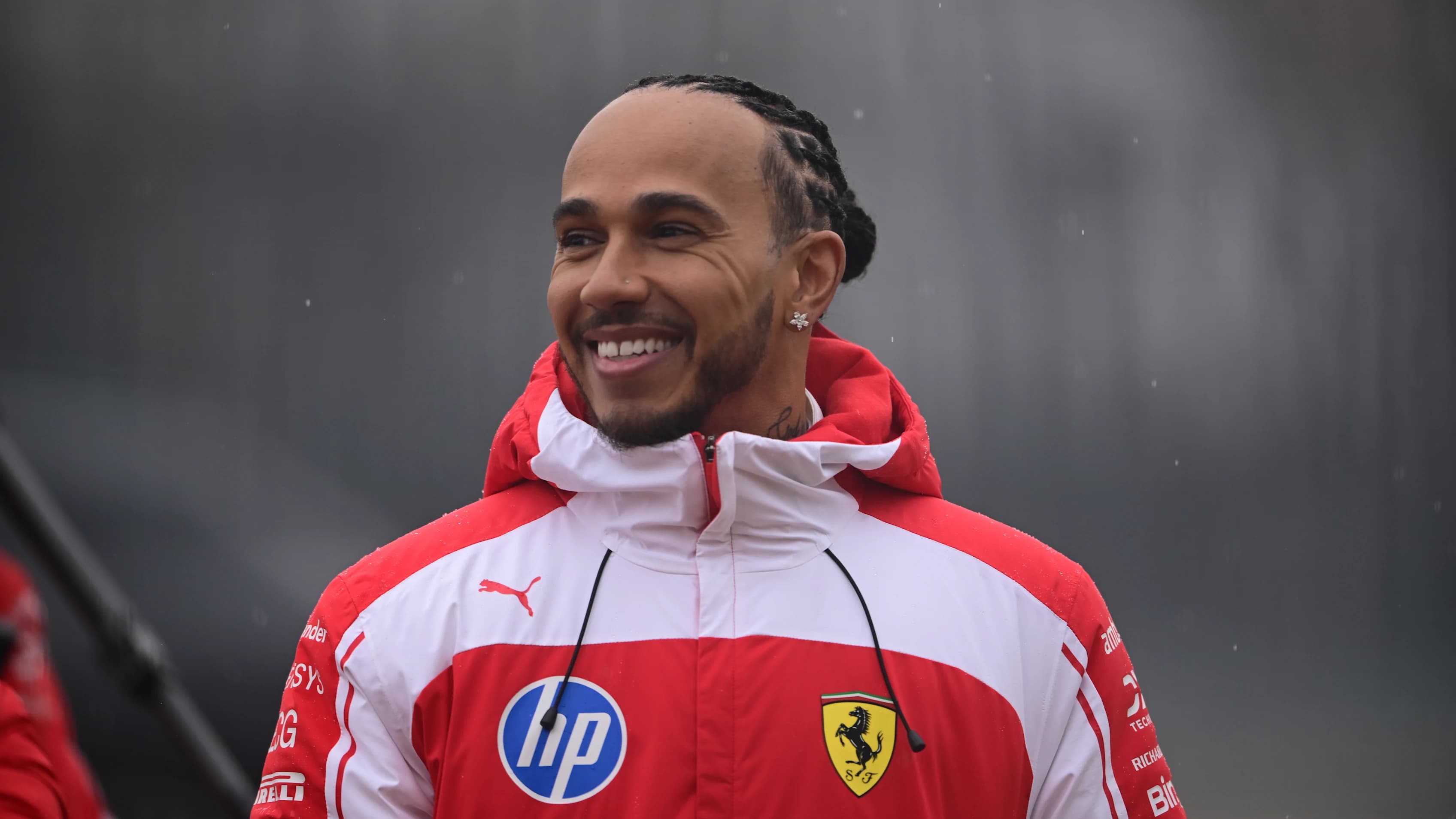
"Very challenging today, obviously, because it started raining at 10:30, so obviously Charles had a little bit of dry running, but then it's been wet all afternoon, so figuring out how to get the tyres working," Hamilton recounted after his stint. Despite the precipitation and a red flag interruption, the seven-time world champion remained upbeat about the day's productivity.
"It was really productive, I think we got about 120 laps or something like that; given it's in the wet conditions and we had a red flag and that, I think that's pretty solid," he explained. For a team introducing an entirely new car under revolutionary regulations, the absence of major mechanical failures represented a significant achievement. "So, really proud of everyone back at the factory for getting the car to this point, and we got a lot of information on the car today."
Understanding the 2026 technical revolution
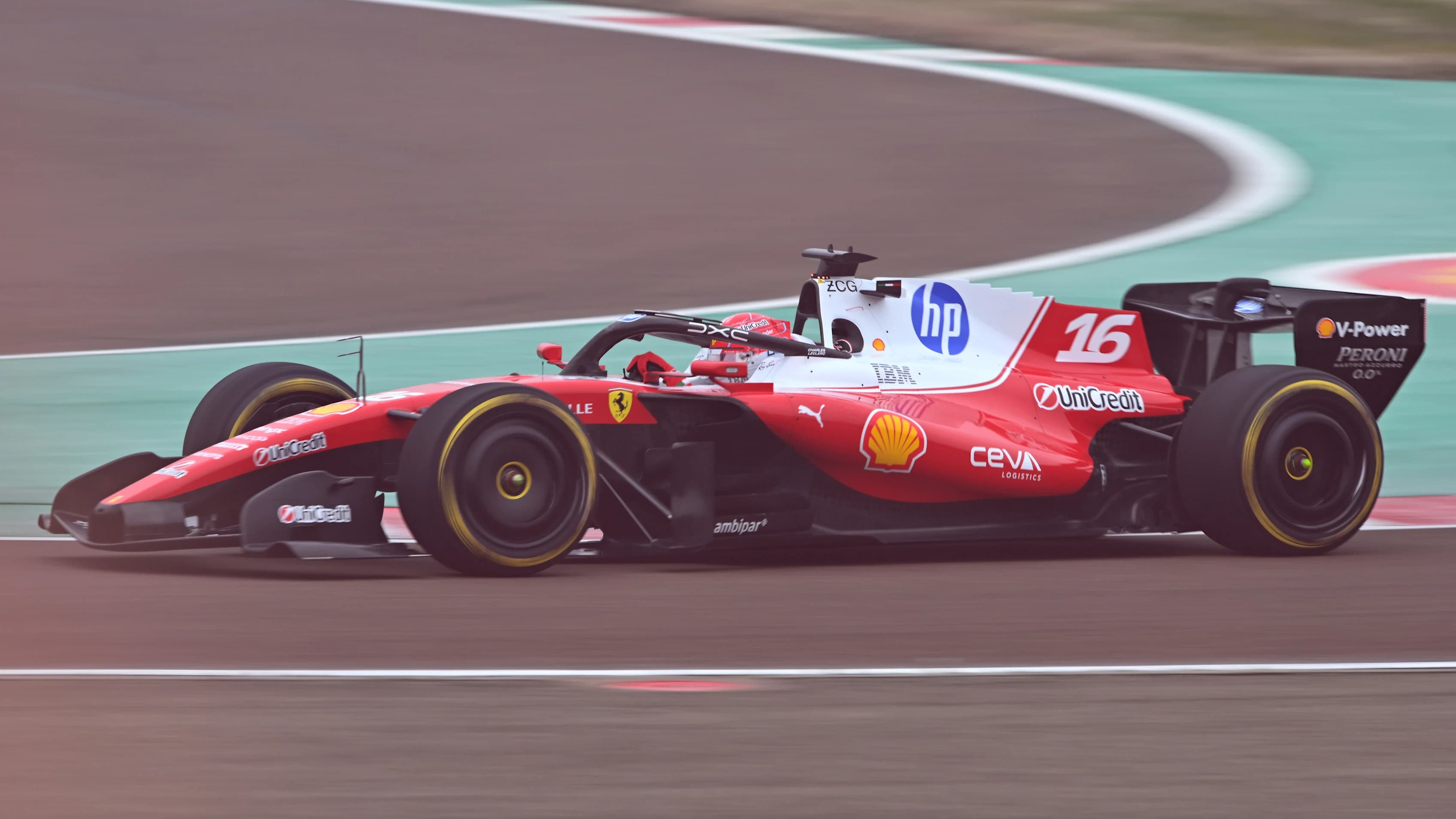
The 2026 regulations represent the most substantial technical transformation Hamilton has witnessed in his 19-year career. The new SF-26 features active aerodynamics and a near-50:50 power split between combustion engines and hybrid electric systems, requiring unprecedented energy management strategies from both drivers and engineers.
Hamilton emphasized the gravity of these changes: "I've had the privilege of being here for a long time, 19 years, so been through quite a lot of different cars. So a lot of different swapovers, but this is the biggest one that I've noticed."
The 2014 comparison proved instructive; that regulation change saw universal reliability struggles across the grid. By contrast, Ferrari's trouble-free Barcelona debut, despite wet conditions limiting performance evaluation, positioned the Scuderia favorably entering this new era.
Early impressions and strategic focus
.webp&w=3840&q=75)
Rain prevented Hamilton from fully evaluating the SF-26's aerodynamic and powertrain characteristics, though initial impressions were encouraging. "There's definitely positives," he noted, highlighting the reduced downforce compared to 2025 specifications and, importantly, the absence of porpoising—a persistent issue that plagued Mercedes and others in 2022.
Charles Leclerc echoed this measured optimism following his morning session, completing 64 laps focused on systems verification rather than performance. "It's not the best conditions because it has been a little bit raining this morning but actually we did our programme anyway because we are not focused on performance whatsoever. We're more about looking at all the systems that are new on this car and seeing if everything works as it should."
The competitive landscape ahead
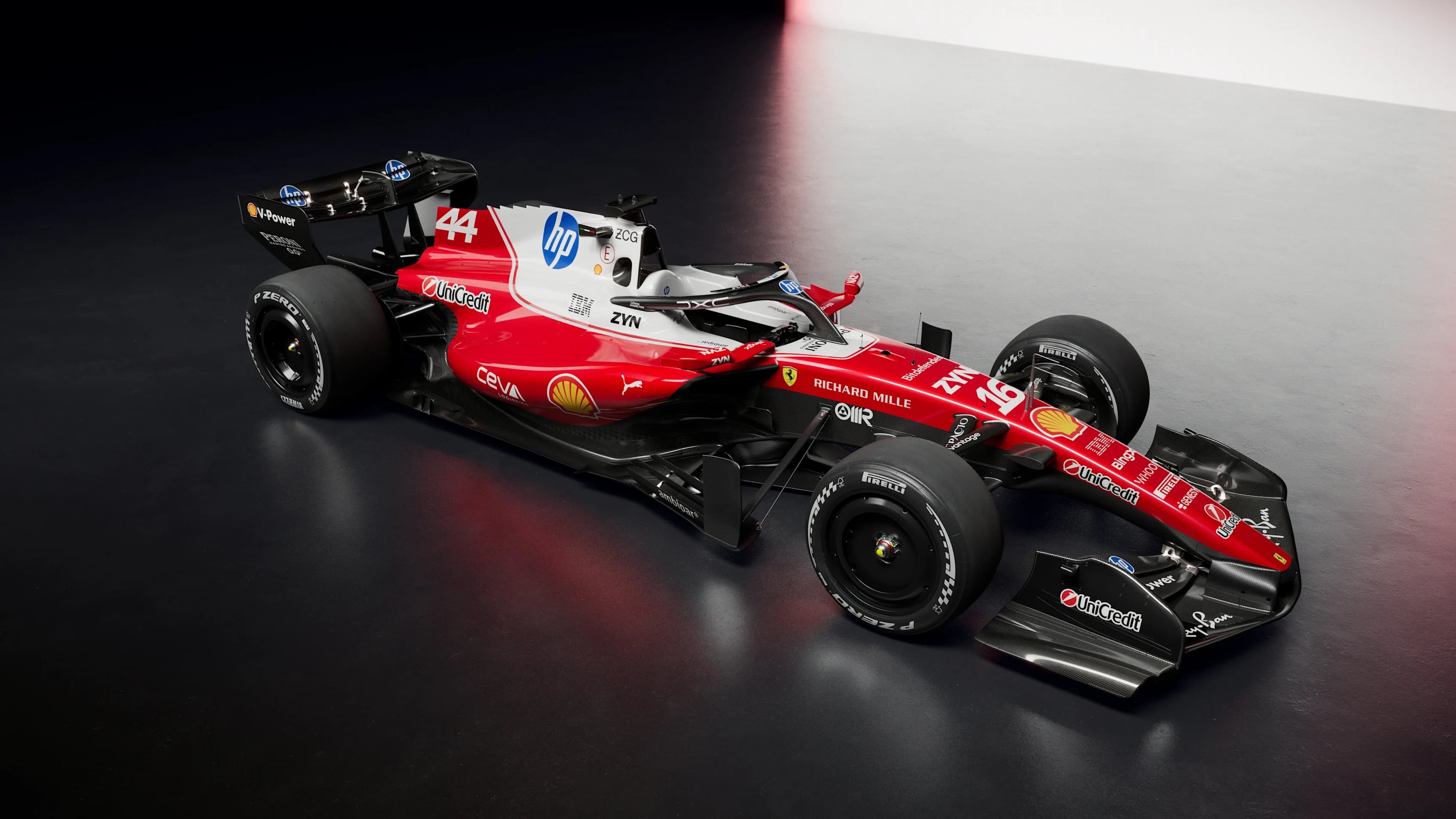
Hamilton recognized that the 2026 regulations level the competitive field significantly. "It's massively challenging for everybody, for every team, which I think is great. It really puts everyone on the back foot. Everyone's really going to kind of be on their toes and learning as you go." This democratization of the development race means Ferrari, despite its historical advantages, cannot assume an automatic position of strength.
The subsequent testing days would focus on dynamic analysis, suspension evaluation, aerodynamic downforce distribution, and extensive assessment of the powertrain's recharge, boost, and overtake modes. With only three permitted running days across the five-day test window, Ferrari must maximize every lap count to establish competitive baselines before official preseason testing in Bahrain next month.
For Hamilton and the Scuderia, this wet Tuesday represented not a setback but a productive foundation for the monumental challenge ahead—and a reminder that even in the most unpredictable conditions, thorough preparation and focused execution can deliver meaningful progress.

Simone Scanu
He’s a software engineer with a deep passion for Formula 1 and motorsport. He co-founded Formula Live Pulse to make live telemetry and race insights accessible, visual, and easy to follow.