
Zak Brown’s masterclass in competitive destabilization and the "poison biscuits" strategy

When Zak Brown first walked through the doors of the McLaren Technology Centre in late 2016, he didn't just find a racing team in decline; he found an institution in the throes of a profound identity crisis. The once-mighty McLaren, the team of Senna, Prost, and Hakkinen, had become a shadow of its former self. Morale was at an all-time low, the technical direction was muddled, and the organizational culture was frequently described as "toxic."
Fast forward to the conclusion of the 2025 Formula 1 season, and the landscape has shifted entirely. McLaren has not only returned to the front of the grid but has established a period of dominance that rivals the greatest eras in the sport’s history. With back-to-back Constructors’ Championships in 2024 and 2025, and Lando Norris securing the Drivers’ Championship in 2025, the "McLaren Renaissance" is complete.
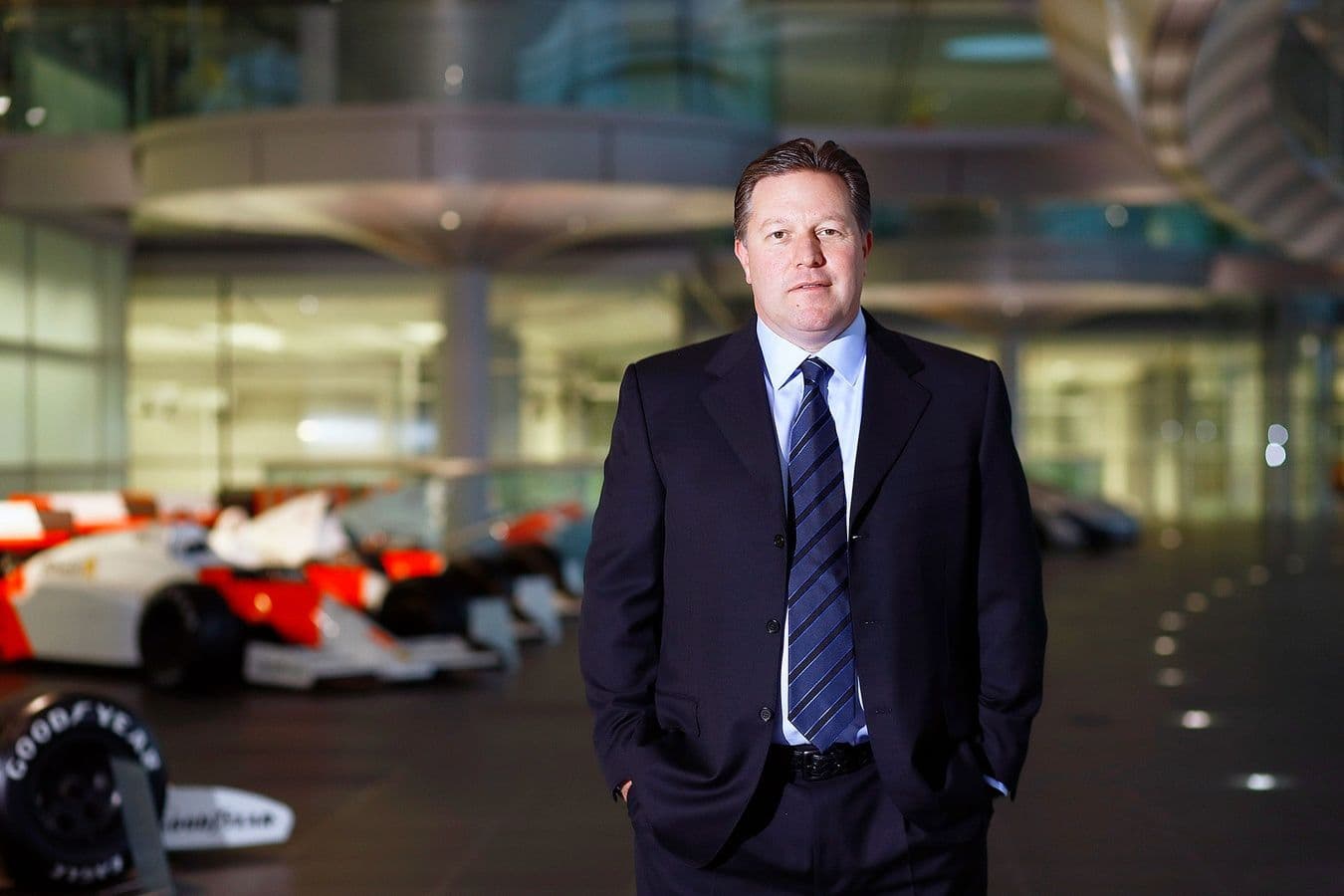
However, behind the trophies and the champagne lies a more calculated, perhaps even ruthless, strategy. Zak Brown has recently alluded to a philosophy of "destabilizing" his rivals—a tactical approach he colloquially refers to as serving "poison biscuits." This strategy isn't just about building a faster car; it’s about psychological warfare, strategic hiring, and disrupting the internal harmony of the competition.
The foundation: reversing the "toxic" momentum
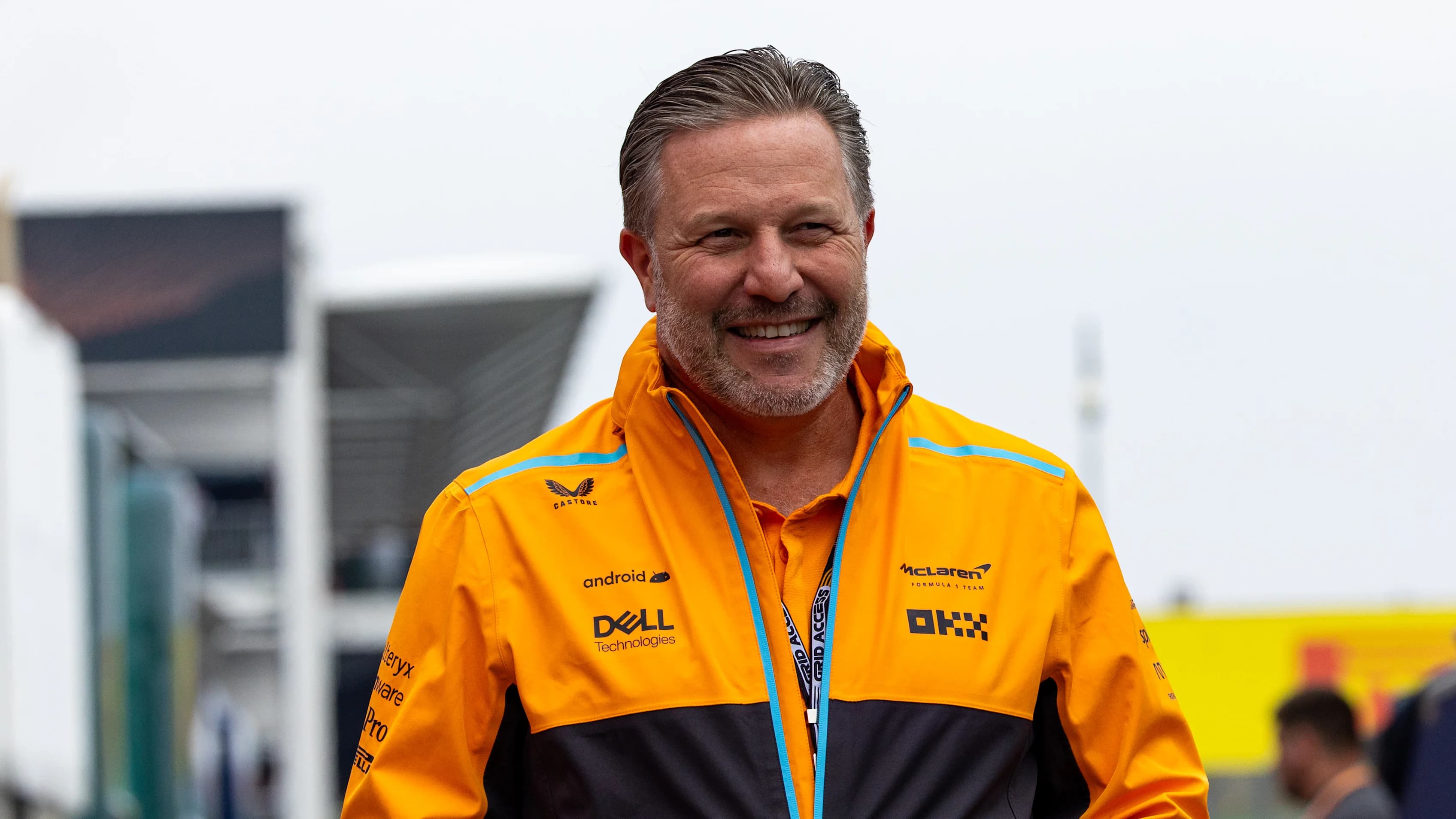
To understand Brown’s current position of strength, one must look back at the "hand-to-hand combat" required to save the team between 2017 and 2019. When Brown took over as CEO, McLaren was suffering from a revolving door of leadership, having seen five different heads in seven years. This instability created a vacuum where blame culture flourished and innovation stalled.
Brown’s first mission was cultural decontamination. He recognized that the talent was already within the building, but it was being stifled by a lack of clear direction and a fear of failure. By implementing a "listen and learn" policy, Brown began to rebuild the trust that had been eroded during the difficult Honda years. He focused on creating an environment where engineers felt empowered to take risks—a prerequisite for success in a sport defined by marginal gains.
This cultural shift was the first step in what would become a broader strategy of destabilization. By fixing McLaren’s internal culture, Brown effectively removed the team from the "easy target" list of the mid-field and began the long climb toward challenging the "Big Three."
The "poison biscuits" philosophy: strategic destabilization
The term "poison biscuits" serves as a metaphor for Brown’s aggressive approach to the F1 paddock. In the high-stakes world of Formula 1, success is often zero-sum. For McLaren to rise, others must fall. Brown’s strategy of destabilization operates on several fronts:
1. The talent drain
One of the most effective ways to destabilize a rival is to poach their key intellectual assets. The hiring of Rob Marshall from Red Bull and David Sanchez (briefly) from Ferrari sent shockwaves through the paddock. These weren't just hires; they were strategic strikes designed to weaken the technical foundations of McLaren’s primary competitors while simultaneously accelerating their own development. By offering these "biscuits"—lucrative contracts and the promise of a fresh, empowered culture—Brown effectively "poisoned" the long-term stability of his rivals.
2. Psychological pressure and media maneuvering
Brown is a master of the modern media landscape. Whether it’s his appearances on Drive to Survive or his candid interviews with outlets like TalkSPORT, he understands that words can be as destabilizing as a front-wing upgrade. By publicly questioning the stability of other teams—most notably Red Bull during their internal leadership struggles in 2024—Brown kept his rivals on the defensive. This constant pressure forces opposing team principals to spend time managing PR crises rather than focusing on car performance.
3. The "two-number-one" driver dynamic
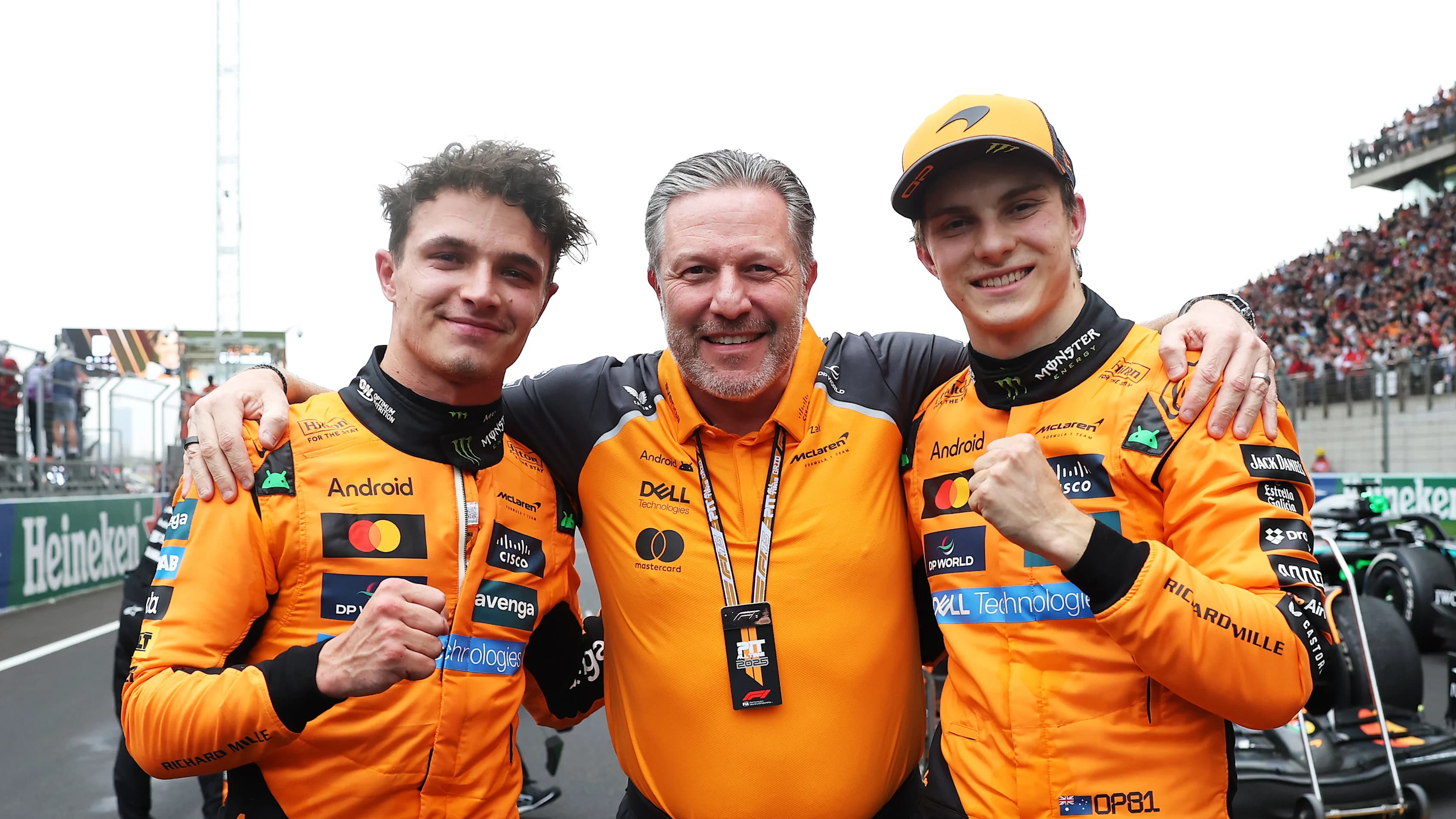
While teams like Red Bull and Ferrari have historically leaned toward a clear "number one" driver hierarchy, Brown and Team Principal Andrea Stella have embraced a more volatile, yet ultimately more rewarding, dynamic between Lando Norris and Oscar Piastri. By allowing his drivers to race—and occasionally clash—Brown creates a competitive tension that keeps the entire organization on its toes. This internal competition serves as a "poison biscuit" for rivals who expect McLaren to eventually implode under the weight of two alpha drivers. Instead, the rivalry has propelled the team to 50 podium finishes in a single season and a record-breaking run of 1-2 finishes.
The 2025 season: a statistical juggernaut
The results of this destabilization strategy were laid bare during the 2025 season. McLaren didn't just win; they dominated in a fashion that left the rest of the grid searching for answers.
- 14 Wins in 24 Races: A win rate that silenced any remaining skeptics.
- The Championship Double: Securing both the Constructors' and Drivers' titles for the first time since 1998.
- Historic Milestones: The team celebrated its 200th Grand Prix win and its 50th 1-2 finish, marking a return to the "glory days" of the late 90s.
This level of performance is the ultimate destabilizer. When a team is consistently finishing 1-2, as McLaren did for four consecutive races in 2025, it creates a sense of inevitability that can break the spirit of the competition. Rivals begin to make desperate strategic gambles, leading to errors that McLaren is always ready to exploit.
Strategic disruptions: the refuelling gambit
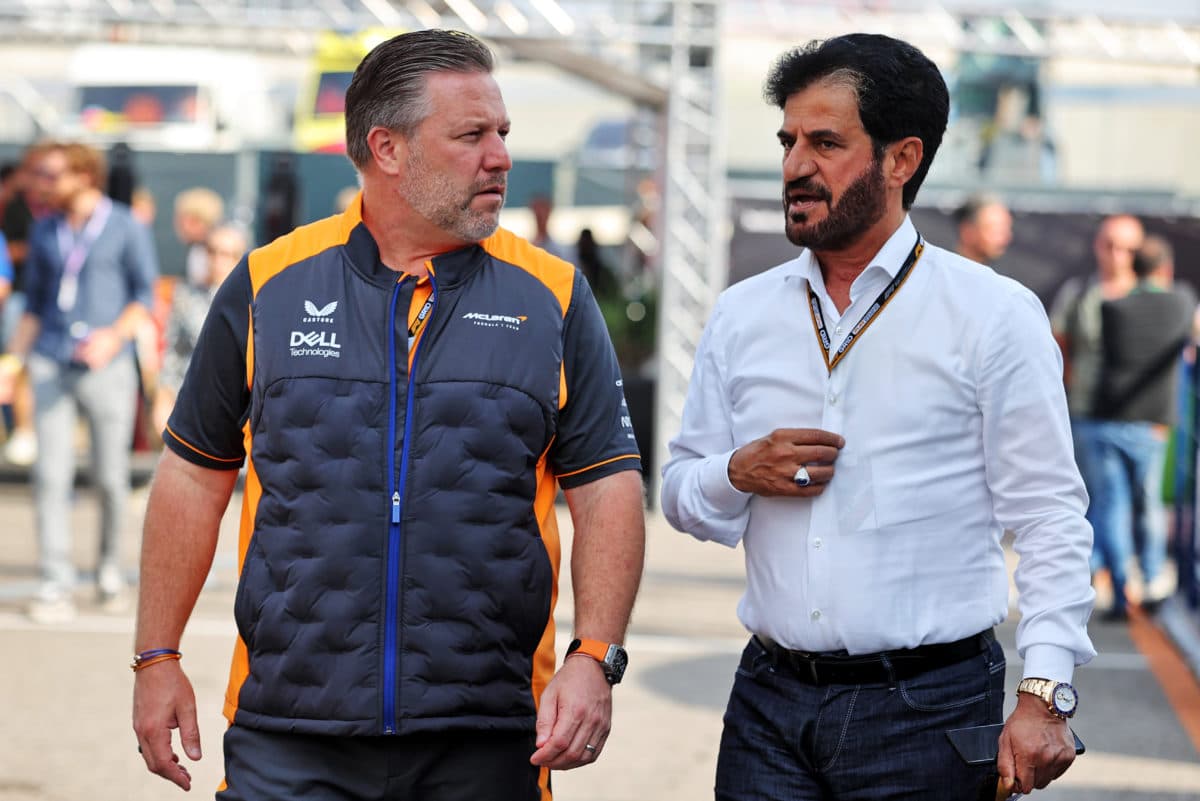
Zak Brown’s influence extends beyond the garage and into the very rules of the sport. His vocal advocacy for the reintroduction of refuelling is a prime example of strategic disruption. While the FIA and other teams have been hesitant, Brown’s push for refuelling is a calculated move to change the "game state" of Formula 1.
Brown argues that refuelling would add a layer of strategic complexity that is currently missing. "If you got into refuelling, weight makes such a difference," Brown noted. *"Do you run heavy at the start and go long? Do you run light to get a better start?" *
By championing such a radical change, Brown forces other teams to divert resources into simulating how such a rule change would affect them. It is another "poison biscuit"—a proposal that sounds like it’s for the "good of the show" but is actually designed to favor a team with McLaren’s superior strategic and operational flexibility.
The 2026 horizon: risk and opportunity

As the sport approaches the massive regulatory overhaul of 2026, the destabilization strategy enters a new phase. The transition to new power units and aerodynamic rules represents the greatest risk to McLaren’s current supremacy. Brown is acutely aware that the "poison biscuits" he has served to others could easily be served back to him.
"Next year, with the new regulations, is going to be even tougher," Brown admitted. The 2026 era will test whether the culture Brown has built is truly resilient or if it was merely a product of the current regulatory cycle. With Mercedes rumored to have made significant gains with their 2026 power unit, McLaren’s technical team, led by Andrea Stella, is already working in "hand-to-hand combat" mode to ensure they aren't the ones being destabilized.
Conclusion: the legacy of the disruptor
Zak Brown’s tenure at McLaren will be remembered for many things: the commercial revival, the vibrant "Papaya" branding, and the return to winning ways. But perhaps his most significant contribution is the introduction of a new kind of leadership in Formula 1—one that treats the entire paddock as a chessboard.
By admitting to "destabilising" teams with his "poison biscuits," Brown has pulled back the curtain on the cutthroat reality of elite motorsport. It is a world where being the fastest isn't enough; you must also be the most disruptive. As McLaren enters the 2026 era as the hunted rather than the hunter, the rest of the grid will be watching closely to see if they can finally stomach the biscuits Brown has been serving, or if the McLaren era is only just beginning.
The 2025 season proved that when you combine world-class engineering with a relentless psychological edge, the results are historic. For Zak Brown and McLaren, the goal is no longer just to compete—it is to remain the most destabilizing force in the history of the sport.

Simone Scanu
He’s a software engineer with a deep passion for Formula 1 and motorsport. He co-founded Formula Live Pulse to make live telemetry and race insights accessible, visual, and easy to follow.