
Red Bull chief Mintzlaff addresses Verstappen exit clause concerns amid team instability

Red Bull CEO Oliver Mintzlaff has confronted a critical issue facing the Milton Keynes-based outfit: the looming exit clause embedded in Max Verstappen's contract that could allow the four-time World Champion to leave the team if internal instability continues. While Verstappen has publicly confirmed his commitment to remain at Red Bull for the 2026 season, the underlying tension surrounding his contractual flexibility reveals deeper concerns about the team's ability to retain its franchise driver amid ongoing organizational upheaval.
The exit clause saga has dominated F1 discourse throughout 2025, transitioning from speculation about a potential Mercedes move to a more complex narrative involving Red Bull's internal restructuring and leadership transitions. Mintzlaff's acknowledgment of these concerns signals that despite Verstappen's public reassurances, the Red Bull hierarchy recognizes the fragility of their position in retaining their most valuable asset.
Understanding Verstappen's contract structure
Max Verstappen signed his current contract with Red Bull in 2022 to remain at the team until the end of the 2028 season. However, this agreement is far more sophisticated than a standard long-term deal, incorporating performance-based flexibility that reflects the volatile nature of Formula 1 competitiveness and driver retention dynamics.
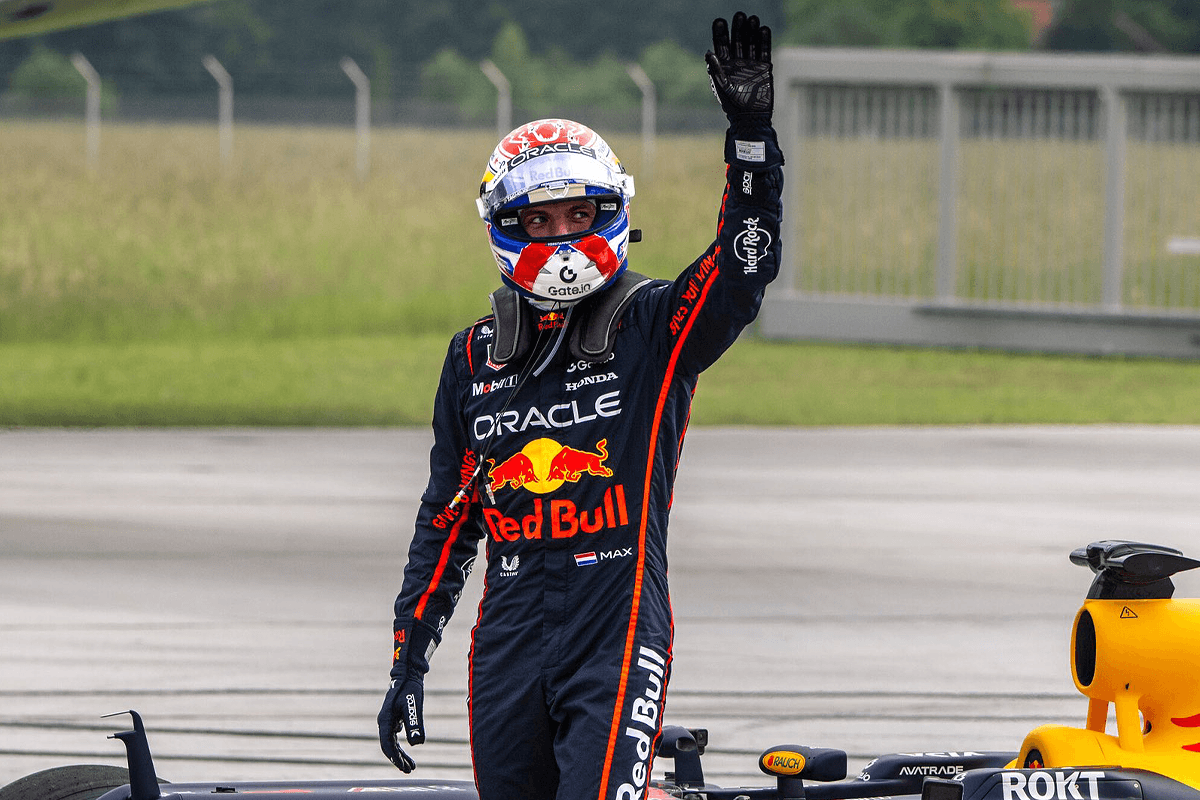
The contract includes a performance-based escape clause that permitted him to exit early if he ranked outside the top three in the drivers' championship by the summer break each year. This structure was pivotal because it gave Verstappen flexibility to reassess his position annually based on the team's competitiveness and his personal goals. Rather than locking the reigning champion into a fixed commitment regardless of Red Bull's performance trajectory, the clause functioned as a safety valve—ensuring that if Red Bull's competitive window closed, Verstappen retained agency over his future.
Furthermore, reporting suggests that Verstappen's Red Bull contract contained more than one exit clause, with one of which having been removed. This revelation adds another layer of complexity to the contractual negotiations, indicating that Verstappen's representatives were meticulous in structuring multiple pathways for reassessment, depending on various competitive and organizational scenarios.
The mechanics of the 2025 exit clause trigger
The mechanics of how the 2025 exit clause became neutralized illustrate both the competitive pressures Verstappen faced and the precision with which Formula 1 contract clauses operate. An exit clause in Verstappen's Red Bull contract would have allowed him to leave the team at the end of 2025 if he was fourth or lower in the championship after this weekend's Hungarian Grand Prix.
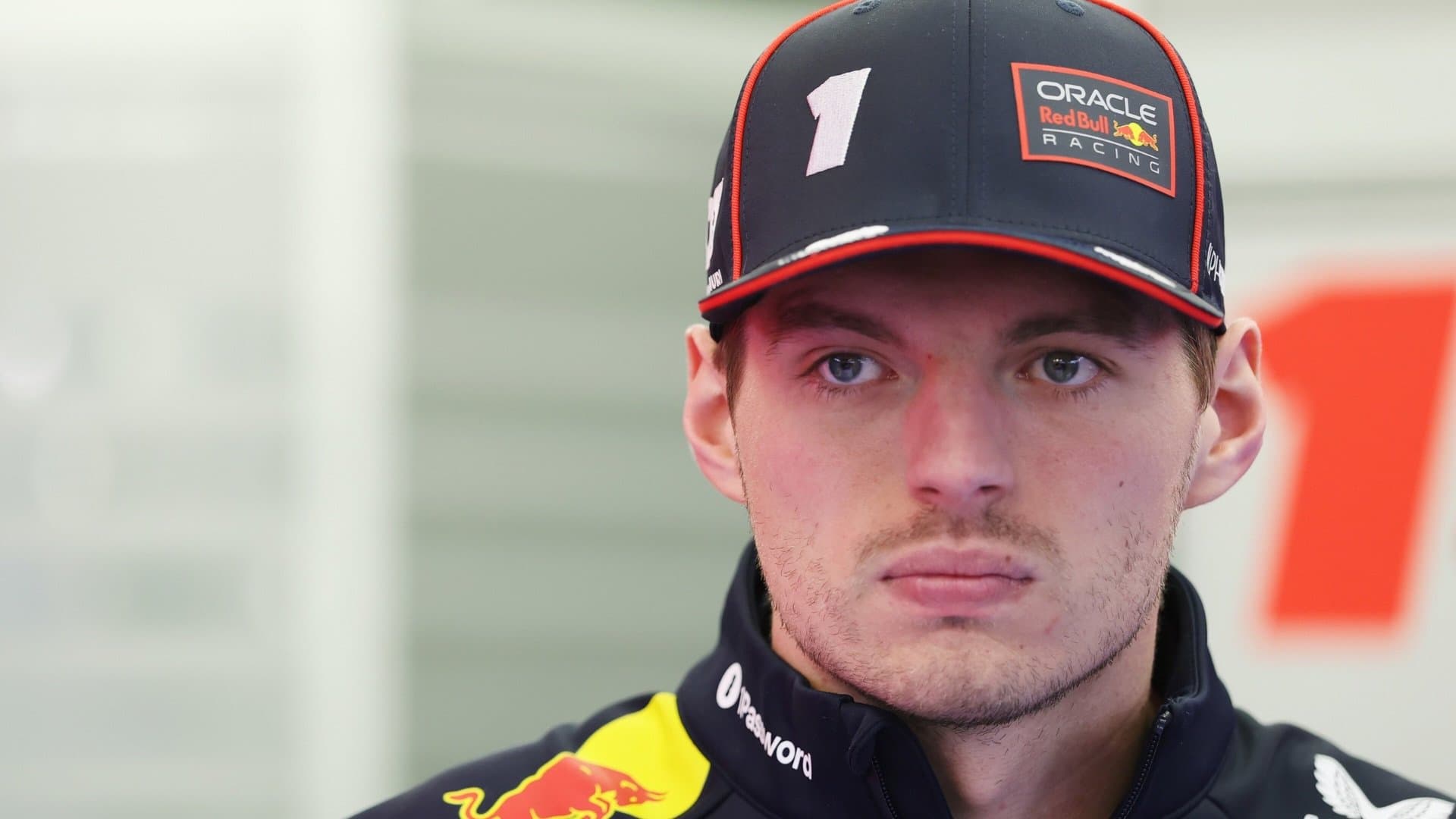
The critical moment arrived at the Belgian Grand Prix, where Verstappen finished fourth. This result, combined with the championship standings architecture, created a mathematical scenario that effectively locked Verstappen into his Red Bull commitment for 2026. Verstappen's victory in the sprint race and solid finish in the main event gave him a points cushion of 28 over fourth-placed George Russell of Mercedes—more points than Russell could possibly make up before the break. Crucially, since only 25 points can be earned in a race weekend, the gap effectively locked Verstappen into third place, thus invalidating the exit clause for 2026.
This outcome meant that regardless of the Hungarian Grand Prix result—Verstappen's supposed "final test"—he could not mathematically slip to fourth place before the summer break. The clause, designed to offer escape velocity, became permanently inoperative.
Mintzlaff's concerns: team instability as a retention risk
Red Bull chief executive Oliver Mintzlaff has strongly defended the decision to part ways with Christian Horner, insisting the team had no choice. Yet this organizational restructuring sits at the heart of concerns surrounding Verstappen's future commitment. Mintzlaff outlines why Max Verstappen will 'remain loyal' to Red Bull beyond 2026, suggesting that loyalty is conditional rather than guaranteed.
The CEO's acknowledgment of concerns related to the exit clause amid team instability reflects a broader reality in Formula 1: driver retention is not merely a function of competitive machinery or financial compensation, but of organizational stability and strategic clarity. Personnel changes at the executive and team principal level create uncertainty that extends throughout an organization, potentially affecting technical direction, resource allocation, and the overall strategic vision that attracts and retains elite talent.
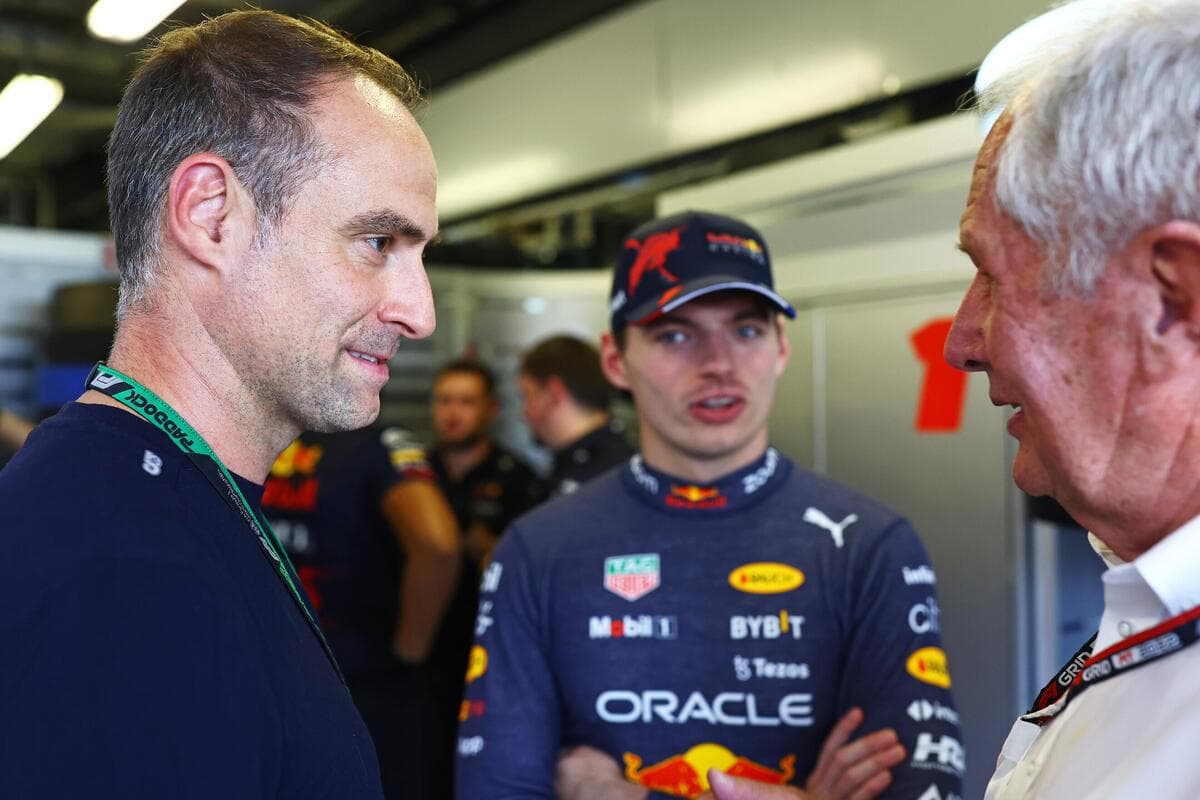
Verstappen's future could become a talking point again in F1 2026, depending on how Red Bull starts out in the new regulatory era. The incoming technical regulations represent a watershed moment for all teams, but particularly for Red Bull, which must demonstrate that organizational transitions have strengthened rather than weakened its competitive position.
Verstappen's public commitment: ending the speculation
Despite the contractual complexities and organizational concerns, Max Verstappen has confirmed he will remain at Red Bull next year, saying it is "time to stop all the rumours" about his future. The reigning champion's future has been the source of intense speculation in recent weeks after Mercedes team boss Toto Wolff made clear Verstappen was still of interest to his team. However, Verstappen's stance has remained consistent.
In his press conference in Hungary, Verstappen articulated a philosophical approach to his commitment: "For me, I've never really said anything about it because I was just focused on talking to the team about how we can improve our performance, future ideas for next year as well." This statement reveals Verstappen's pragmatic mindset—his focus remains on competitive development rather than speculative contract discussions.
"I think it's time to stop all the rumors. And for me, it's always been quite clear that I was staying anyway," Verstappen continued, emphasizing that his decision predated the exit clause becoming invalid. "I think that was also the general feeling in the team anyway, because we were always in discussions about what we could do with the car." This observation is particularly significant: it suggests that Verstappen's commitment was contingent on substantive conversations about competitive improvement, not merely on contractual obligations.
The Mercedes narrative and what it reveals
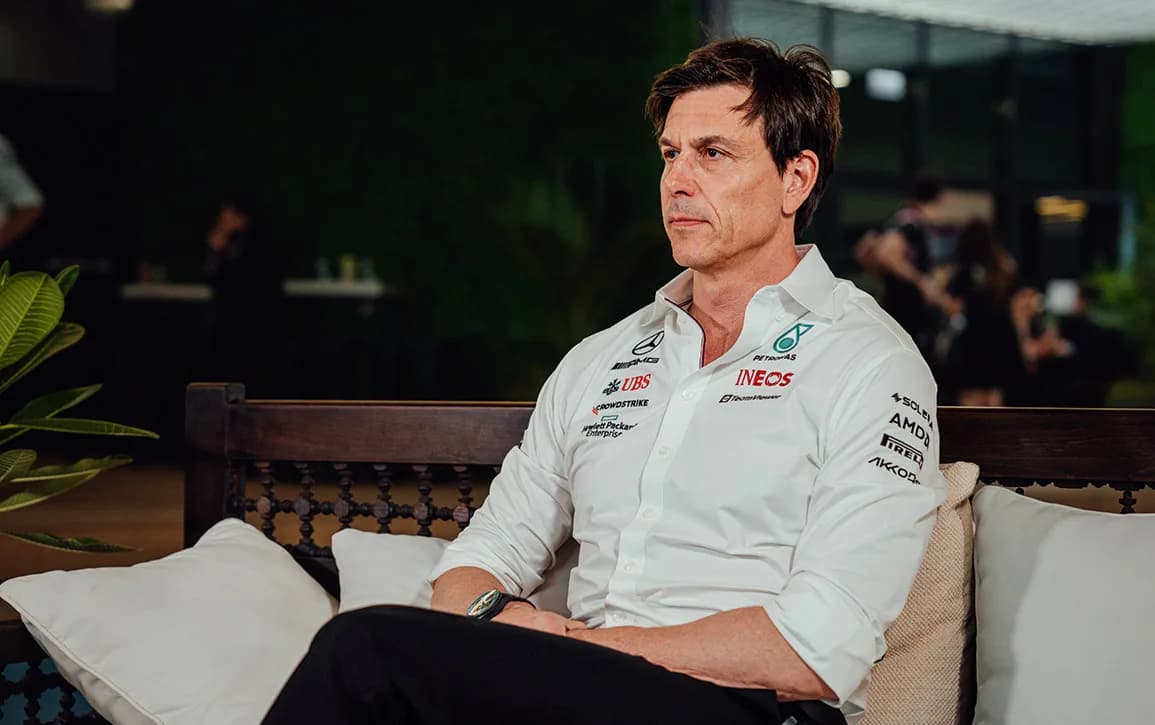
The 2025 speculation regarding Mercedes team boss Toto Wolff's clear interest in Verstappen represented perhaps the most significant threat to Red Bull's retention of their franchise driver. Mercedes' pursuit was not merely opportunistic; it reflected the team's recognition that Verstappen represented the missing piece in their competitive puzzle during a period of Red Bull dominance.
However, Verstappen's resolute commitment suggests that he views Red Bull as the more credible platform for continued championship success, despite the organizational turbulence. This assessment carries implications for the broader F1 driver market: even when elite alternatives present themselves, competitive momentum and a genuine belief in future performance constitute more powerful retention tools than financial inducements or organizational prestige alone.
Looking forward: 2026 and beyond
With the exit clause history behind him, Verstappen enters the second half of the 2025 season and the 2026 campaign securely tied to Red Bull. However, the conditions that prompted Mintzlaff's acknowledgment of retention concerns remain relevant. The new regulatory era introduces technological uncertainty that could either vindicate Red Bull's technical strategy or expose strategic vulnerabilities.

Verstappen himself acknowledged the possibility of future speculation: "I don't know. If you ask me that question next year, then yes, we will have that speculation!" This candid observation suggests that while the 2025 exit clause has become moot, future contract discussions or organizational challenges could reignite questions about his future commitment.
The exit clause mechanism—with its annual reassessment window—creates a recurring pressure point for Red Bull management. For Verstappen to remain genuinely committed beyond contractual obligation, Red Bull must demonstrate that it can navigate its organizational restructuring while maintaining competitive competence in the new technical era. Mintzlaff's concerns, appropriately acknowledged, represent the starting point of an ongoing mission to ensure that Max Verstappen's talent, commitment, and ambition remain aligned with Red Bull's capabilities and direction.

Simone Scanu
He’s a software engineer with a deep passion for Formula 1 and motorsport. He co-founded Formula Live Pulse to make live telemetry and race insights accessible, visual, and easy to follow.