
The 2026 reset: a technical analysis of Formula 1’s new era

The landscape of Formula 1 is shifting. As we approach the 2026 season, the sport is preparing for a comprehensive overhaul of its technical regulations. This is not merely a cosmetic update; it is a fundamental rewriting of the rulebook designed to create lighter, nimbler cars and a power unit formula that has already successfully courted major automotive manufacturers.
Based on the confirmed regulations, we can now map out exactly how the 2026 grid will operate. From a redefined aerodynamic philosophy to a complex new strategic toolkit for drivers, here is the definitive breakdown of the machinery that will define the next generation of Grand Prix racing.

The aerodynamic philosophy: shorter, narrower, nimbler
For the past several years, the conversation in the paddock has often revolved around the sheer size of the cars. The 2026 regulations address this head-on with a philosophy centered on agility. The headline change is a reduction in physical dimensions: the cars will be shorter and narrower.
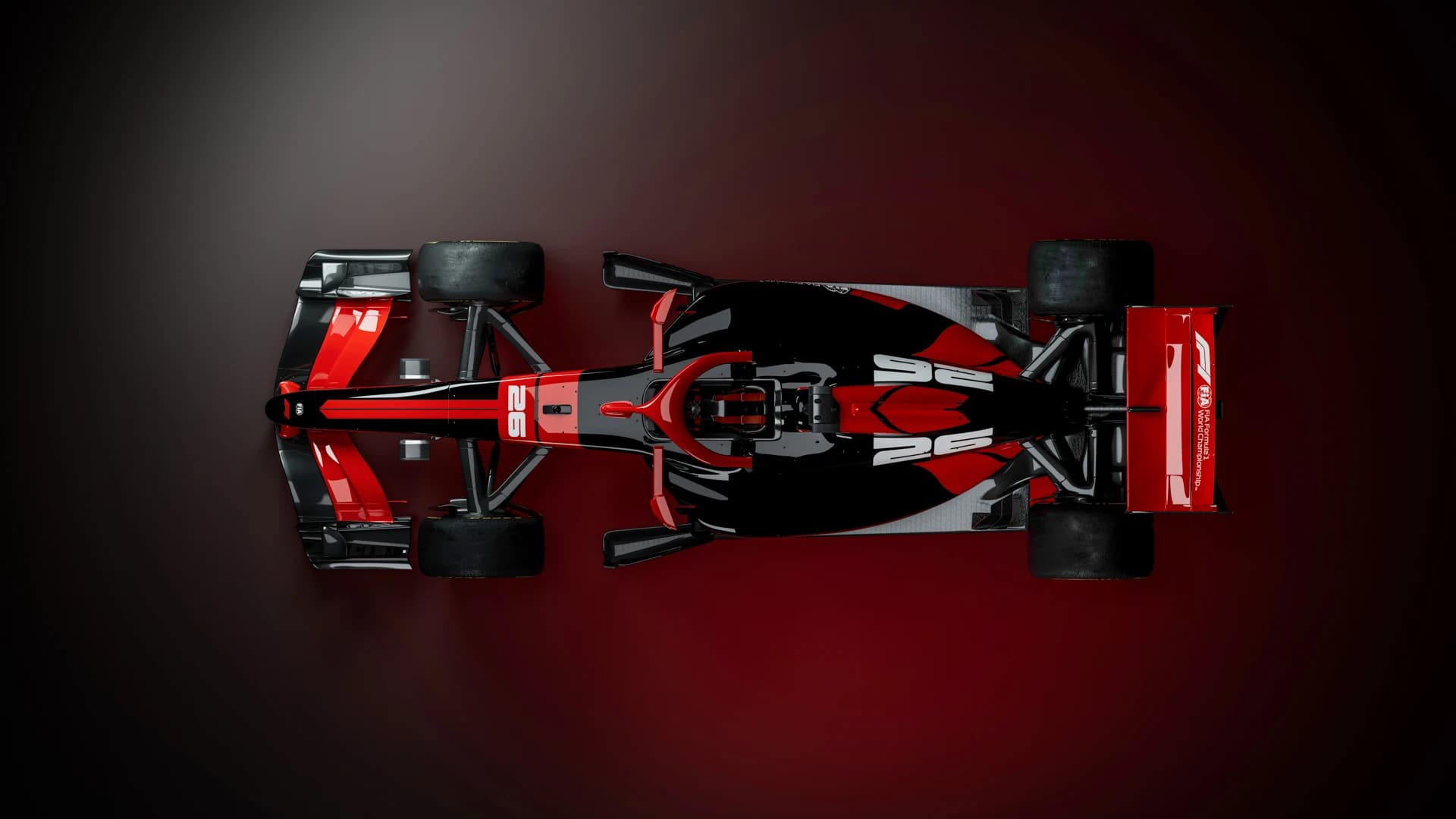
The wheelbase has been shortened. In engineering terms, a shorter wheelbase generally translates to a car that is more eager to rotate. The theoretical result is a machine that is far more responsive through corner entry and direction changes, moving away from the "lazy" behavior of longer platforms.
Crucially, the cars will be lighter. Weight is the enemy of performance, and the new rules strip mass from several key areas. While the cars will retain the 18-inch Pirelli tyres, the rubber itself will be narrower. This change serves a dual purpose: it directly trims weight from the unsprung mass, and it significantly reduces aerodynamic drag, allowing the car to cut through the air more efficiently.
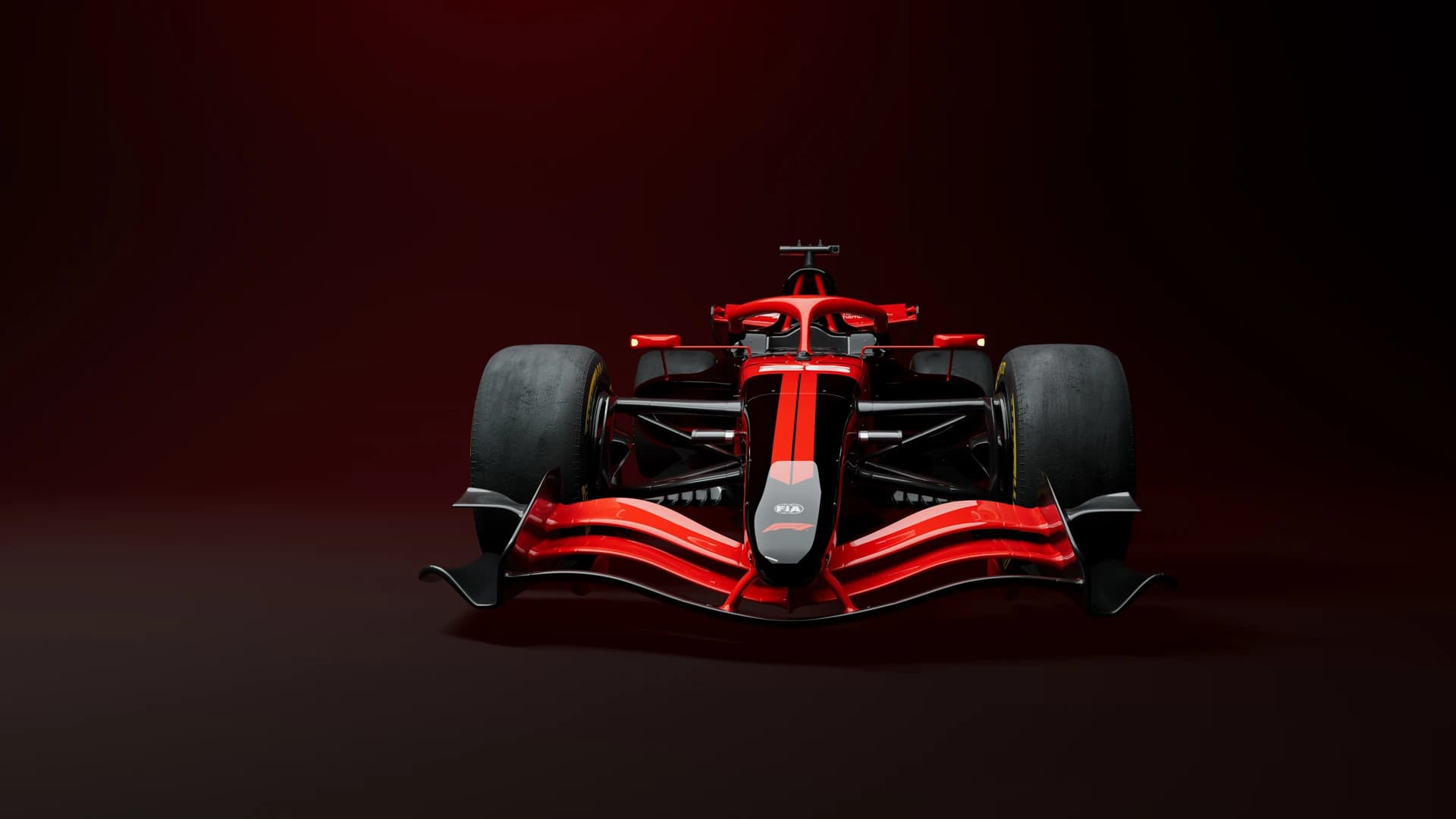
Visually, the cars will look cleaner. The "wheel arches"---the small deflectors above the front tyres that have been a staple of recent years---are being removed. This deletion further contributes to the weight-saving measures and simplifies the airflow structures around the front axle.
The end of the Venturi tunnel era
Perhaps the most significant departure from the 2022-2025 regulatory cycle is found underneath the car. We are saying goodbye to the era of deep, long ground-effect tunnels.
The 2026 specification mandates flatter floors paired with extended diffusers that feature bigger openings. This geometry shift will naturally generate less downforce compared to the current generation. To compensate, there is a requirement for higher ride heights.
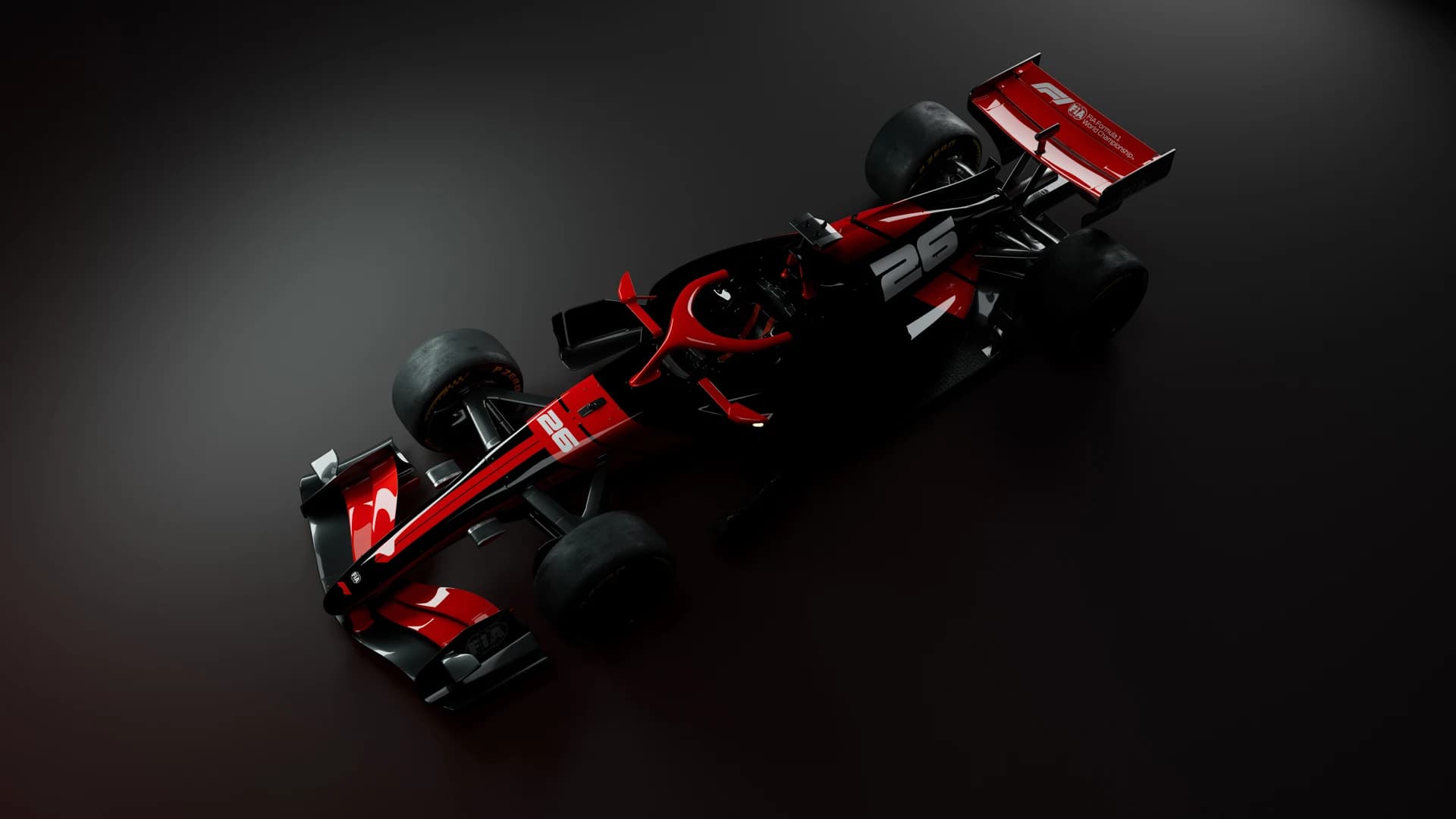
The implications for vehicle dynamics are profound. With less aerodynamic load pushing the car into the track, mechanical grip becomes a higher priority. The text suggests this will lead to a greater variety of suspension set-ups as teams try to find mechanical solutions to suit different driving styles. Ideally, this levels the playing field, as the "magic bullet" of a perfect floor design becomes less dominant.
The active aero revolution
The static rear wings of the past are gone. The 2026 cars will feature Active Aerodynamics involving both the front and rear wings. This is a system available to every driver, on every lap, fundamentally changing how energy efficiency and top speed are managed.
The system operates in two primary states:
-
Default (Cornering): The flaps on the front and rear wings remain shut. This maximizes downforce to ensure grip through the corners.
-
Low-Drag Mode (Straights): On designated straights, drivers can activate this mode. It opens the flaps and flattens the wing angles to drastically reduce drag, boosting straight-line speed.
This universal application spells the end for DRS (Drag Reduction System) in its current form. Because every driver can dump drag on the straights regardless of the gap to the car ahead, the artificial speed delta created by DRS is effectively neutralized. However, the FIA has introduced a new mechanism to ensure overtaking remains viable.
Strategic tools: overtake mode vs. the boost button
The 2026 cockpit will be a busy environment. Drivers will have access to a sophisticated suite of strategic tools that require constant management. The regulations have introduced a clear distinction between "attacking" modes and general performance deployment.
1. Overtake mode
While DRS is gone, the benefit of following a rival closely remains. If a driver is within one second of the car in front, they unlock Overtake Mode.
Unlike the old aerodynamic DRS, this is an energy-based weapon. Triggering Overtake Mode gives the chasing driver access to extra electrical energy. This additional power can be deployed at a single detection point to pressure the lead car or execute a pass. It shifts the battle from "opening a wing" to "deploying a surge of torque."
2. The boost button
Separate from the Overtake Mode is the Boost Button. This is the evolution of the current overtake button logic, but with more flexibility.
Drivers can use the Boost Button for both attack and defense. It activates maximum power from the engine and battery. Crucially, it can be used at any point around the lap, provided the battery has sufficient charge.
This introduces a high-stakes game of poker between drivers. A driver might dump their Boost energy early in the lap to build a gap, while their rival might save it for a crucial traction zone. The effectiveness of the Boost Button is entirely dependent on the driver's ability to manage their state of charge.
3. Battery recharge management
The third tool in the driver's arsenal is recharge management. Drivers will actively oversee how their battery recovers energy. Working in tandem with their race engineers, they can select from various modes to harvest energy from braking or engine energy.
This creates a tactical triangle: a driver must decide when to harvest (recharge), when to use the Boost Button (general pace/defense), and when to exploit Overtake Mode (specific attacks).
The power unit: a 50/50 split
Under the engine cover, the 2026 Power Unit represents a massive engineering pivot designed to attract global manufacturers. The framework retains the 1.6-liter V6 turbo hybrid architecture, but the distribution of power has changed radically.
The output of the Internal Combustion Engine (ICE) has been cut. To balance this, the electric motor's output has been tripled. This results in a power unit that delivers roughly a 50-50 split between petrol and electric power.
To sustain this massive electrical demand, the Energy Recovery System (ERS) has been beefed up significantly. It can now recharge the battery with twice as much energy per lap compared to current standards. This energy is harvested through braking events and by lifting off the throttle at the end of straights.
The MGU-H is dead
In a move to simplify the technology and reduce costs, the complex MGU-H (Motor Generator Unit - Heat) has been banned. This component, which harvested energy from exhaust gases, was seen as a barrier to entry for new manufacturers due to its lack of road relevance. Its removal reduces weight and complexity, focusing the hybrid development purely on the kinetic energy recovery and the efficient deployment of that 50/50 split.
Advanced sustainable fuels
Powering these new units is a revolutionary fuel mandate. For the first time, F1 will run on Advanced Sustainable Fuels.
These fuels, which have been trialed in Formula 2 and Formula 3 during the 2025 season, are derived from non-food biomass, municipal waste, and carbon capture technologies. They are independently certified to meet strict sustainability standards. This move ensures that the combustion engine remains relevant in a carbon-conscious world, proving that high performance does not require fossil fuels.
The manufacturer landscape
The attractiveness of these new regulations---specifically the road-relevant 50/50 power split and sustainable fuels---has succeeded in its goal of drawing in major automotive players.
The 2026 grid will feature power units from:
-
Ferrari & Mercedes: The existing giants, engaged by the revised challenge.
-
Honda: Returning to the sport as a full supplier.
-
Red Bull Powertrains: A new entrant, teaming up with American giant Ford.
-
Audi: Entering as a full manufacturer.
-
General Motors: Committed to launching their power unit in 2029.
This level of manufacturer participation is unprecedented in the modern era and validates the direction of the technical regulations.
Safety evolution
Finally, the 2026 rules continue the sport's relentless pursuit of safety. The chassis will feature a stronger survival cell subjected to more rigorous testing.
Specific attention has been paid to the roll hoop, which must now withstand 23% more load---equivalent to the weight of nine family cars. This ensures better protection in rollover incidents.
Additionally, the front impact structure has been redesigned. It will now separate in two stages. This innovation is designed to mitigate the danger of secondary impacts; after the initial crash absorbs the first stage of energy, a second structure remains to protect the driver if the car strikes another barrier or vehicle.
The driver's challenge
To summarize the 2026 revolution: Formula 1 is getting faster in its thinking, if not just its lap times.
The cars will be lighter and nimbler, with simpler aero (fewer wing elements, no beam wings) and flatter floors making them harder to drive. The removal of the "glued to the track" downforce levels means drivers will be fighting the wheel more.
Simultaneously, their cognitive load will increase. They must manage Active Aero on every lap, decide when to deploy the Boost Button, manage battery recharge modes, and react to Overtake Mode opportunities.
With following made easier through "cleaner" aerodynamics and less turbulent air, the focus returns to the athlete. It is a formula powered by sustainable tech, but defined by the driver's ability to multitask at 200 mph. As the regulations state: Bring. It. On.

Simone Scanu
He’s a software engineer with a deep passion for Formula 1 and motorsport. He co-founded Formula Live Pulse to make live telemetry and race insights accessible, visual, and easy to follow.