
Verstappen has made his decision: he will not return to number 33

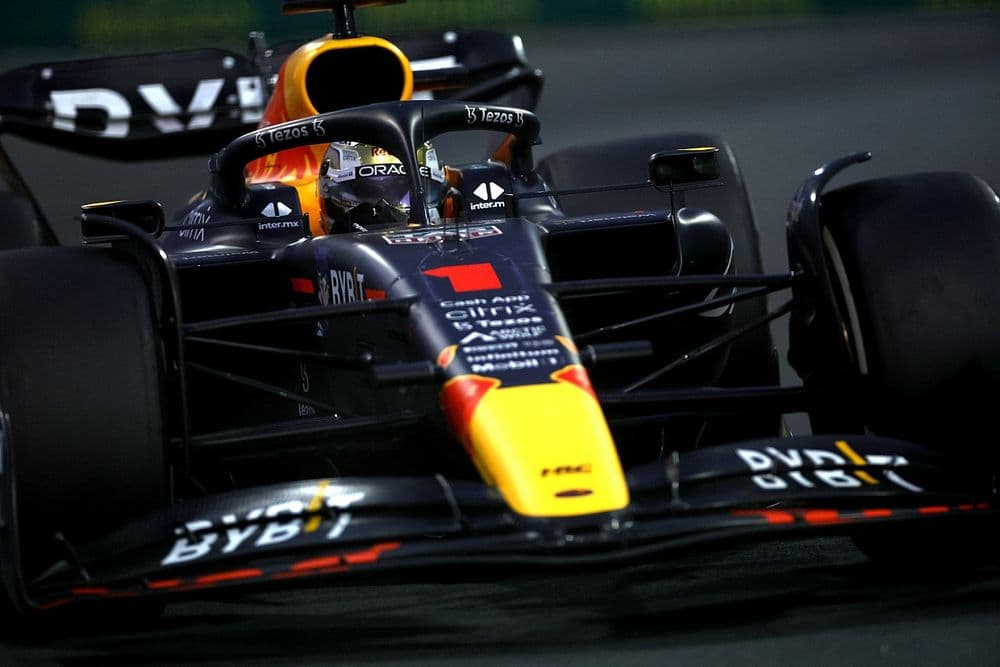
The conclusion of the 2025 Formula 1 season has triggered a significant reshuffle not just in the trophy cabinet, but on the entry list for 2026. With Lando Norris securing his maiden World Drivers' Championship, the coveted #1 plate will migrate from Red Bull to McLaren for the first time since 2000.
For Max Verstappen, this marks the end of a four-year tenure running the champion's number. However, rather than reverting to the #33 that defined his ascent in the sport, the Dutchman has confirmed he will race with number 3 in 2026.
This decision is not merely aesthetic; it is the closing of a decade-long loop involving FIA sporting regulations, the retirement of Daniel Ricciardo, and a specific branding preference that dates back to Verstappen's karting days.
Here is the full analysis of why the switch is happening now, the regulatory hurdles that were cleared to make it possible, and the historical significance of the number #3.
The regulatory landscape: how #3 became available
To understand the mechanics of this switch, one must look at Article 9.2 of the FIA Formula 1 Sporting Regulations. Since 2014, drivers have been required to select a permanent race number (between 2 and 99) to carry throughout their careers.
The regulations state that a driver's number is reserved for them for two consecutive seasons following their withdrawal from the sport. Daniel Ricciardo, the previous holder of number 3, departed the grid following the 2024 Singapore Grand Prix. Under a strict interpretation of the "two-year freeze," the number 3 would theoretically remain reserved for the Australian throughout the 2025 and 2026 seasons, only becoming available for reallocation in 2027.
However, the FIA has granted a procedural exception for the 2026 entry list.
The "relinquishment" clause
It is understood that the FIA has allowed for a waiver of the cooling-off period provided the previous holder voluntarily relinquishes their claim to the number. With Ricciardo confirming his permanent retirement from Formula 1 and maintaining a cordial relationship with the Red Bull family, the bureaucratic path was cleared.
This waiver is significant. Without Ricciardo's explicit "blessing" and the FIA's flexibility, Verstappen would have been forced to run #33 for at least one more season. This marks a rare instance where personal agreements between drivers have effectively fast-tracked the release of an FIA-homologated entry number.
The context: Lando Norris takes the #1
While the focus here is on Verstappen's rebrand, the catalyst for this change is Lando Norris. By clinching the 2025 title, Norris earned the prerogative---but not the obligation---to swap his permanent #4 for the #1.
Norris's decision to adopt the #1 is traditionalist. In the modern era, only Lewis Hamilton has famously declined the #1 (sticking to #44) after his title wins. Norris's choice forces the displacement of the number from the Red Bull garage, symbolically marking the end of the "Verstappen Era" of dominance that ran from 2022 through 2025.
For Red Bull Racing, the removal of the #1 is a marketing hit, but Verstappen's pivot to #3 offers a fresh narrative for the 2026 regulation cycle.
The history: why Max wanted #3 in 2015
Verstappen's affinity for the number 3 is not a newfound interest; it was his original choice upon entering Formula 1.
When Verstappen was promoted to Toro Rosso as a rookie in 2015, the permanent number system was in its second year. Drivers were asked to submit three preferences. Verstappen's top choice was #3. However, Daniel Ricciardo, who had established himself as a top-tier driver at Red Bull Racing in 2014, had already claimed the number.

The "double luck" compromise
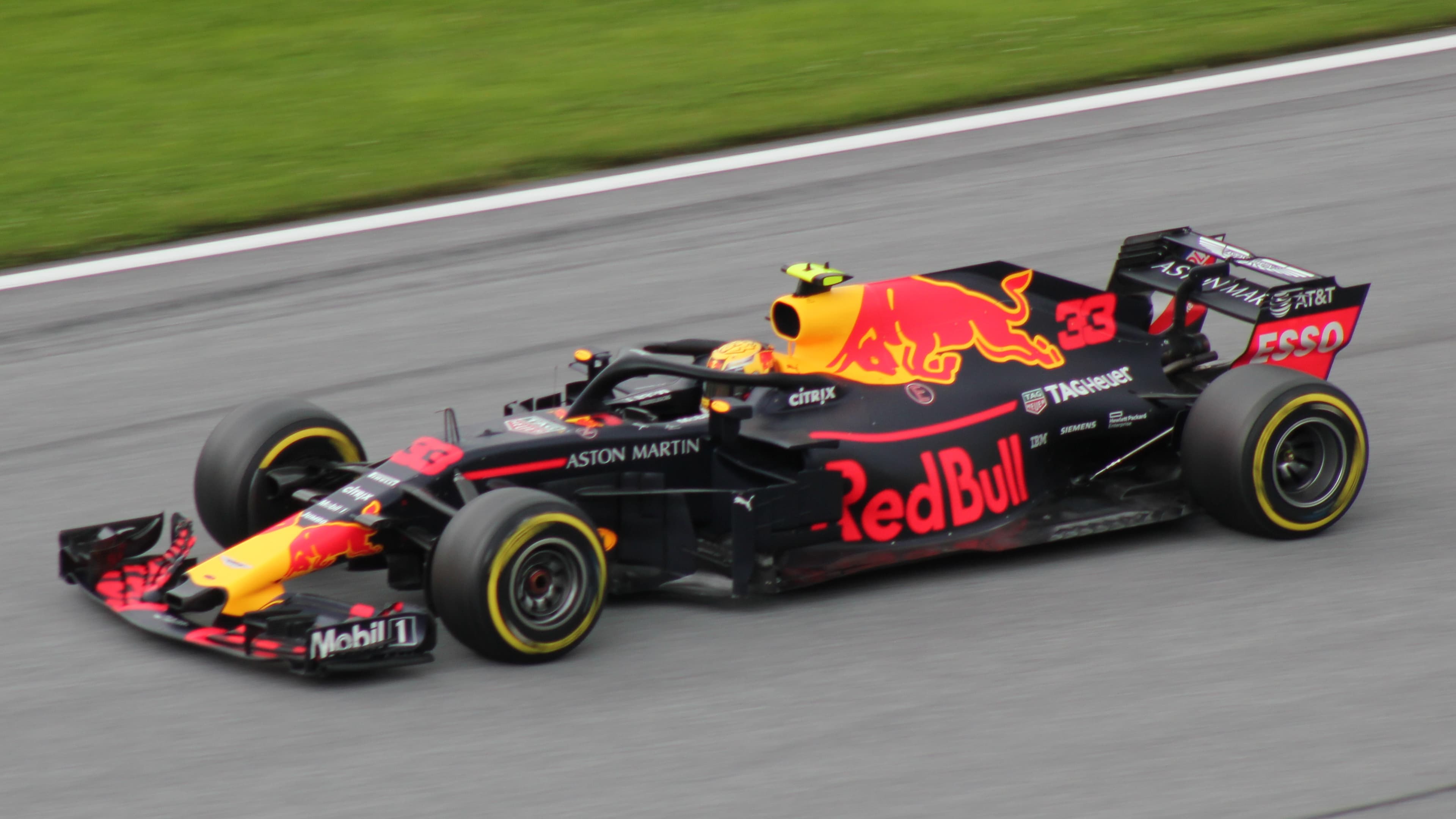
Blocked from using his preferred integer, Verstappen improvised. He selected #33, famously rationalizing the choice with the quip that it represented "double luck."
The number 33 subsequently became iconic in its own right. It was the number displayed on the car during his first victory in Spain (2016) and throughout the intense 2021 title fight against Lewis Hamilton. From a merchandising perspective, the "MV33" brand was a juggernaut.
Yet, despite the commercial success of #33, Verstappen has remained consistent in his personal preference. In interviews throughout his championship years, he frequently mentioned that while he enjoyed the #1, his true favorite remained the number he couldn't have.
"I just like one 3 better than two. I always said [33] represented double luck, but I've already had my luck in Formula 1." --- Max Verstappen
The earnhardt connection: the American influence
The root of Verstappen's attachment to number 3 lies outside of Formula 1. It is a direct homage to NASCAR legend Dale Earnhardt.
Verstappen is a voracious consumer of motorsport history and has frequently cited the "Intimidator" as a driver whose uncompromising style resonates with him. Earnhardt's black #3 Chevrolet is perhaps the most recognizable number-livery combination in American racing history.
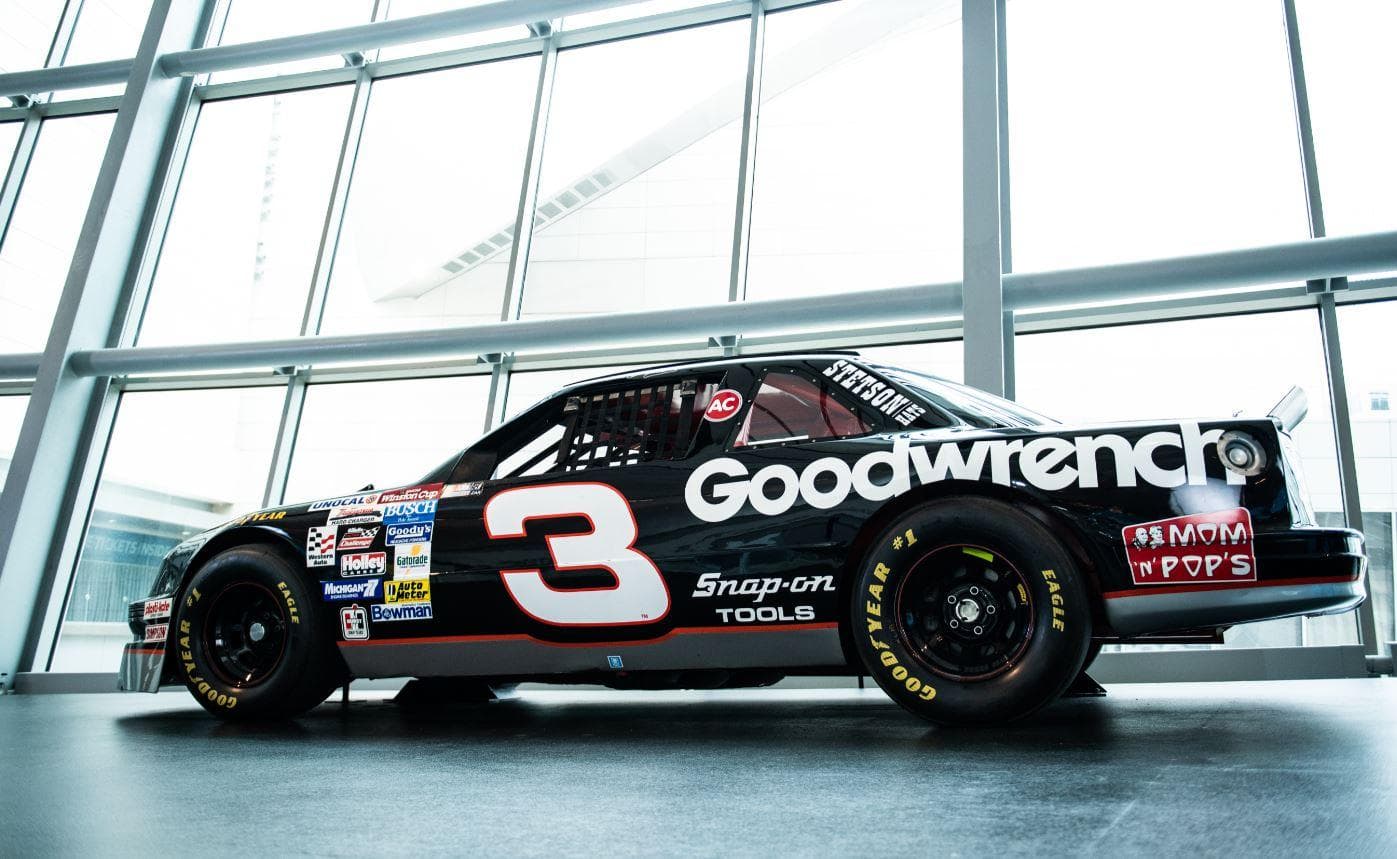
The parallel is fitting. Much like Earnhardt, Verstappen has built a reputation for an aggressive, elbow-out driving style that polarizes fans but commands respect. By adopting the #3, Verstappen subtly aligns his personal brand with that "racer's racer" ethos.
Interestingly, this creates a shared lineage with Daniel Ricciardo, who also chose the number in honor of Earnhardt. The passing of the number from Ricciardo to Verstappen keeps the "Earnhardt Tribute" alive within the Red Bull family, maintaining a continuity of heritage attached to that specific digit.
Analysis: the psychology of the number switch
From a sports psychology perspective, the switch to #3 for 2026 is a clever reset.
Reverting to #33 might have felt like a "demotion"---a visual return to the pre-champion hunter role. It would subconsciously remind the paddock of the years he spent chasing Mercedes.
By choosing #3, Verstappen frames the 2026 season not as a return to the past, but as a new beginning.
-
New Regulations: 2026 introduces major chassis and power unit regulation changes.
-
New Number: A fresh identity for a new era of cars.
-
New Motivation: No longer the defender, but the attacker.
It separates his career into three distinct chapters:
-
The Challenger (2015-2021): Car #33.
-
The Dominator (2022-2025): Car #1.
-
The New Era (2026-): Car #3.
This distinction allows Red Bull to market the 2026 campaign as a fresh start rather than a recovery mission. It suggests that Verstappen is not looking back at the title he lost to Norris, but looking forward to the title he intends to win with his "true" number.
Conclusion
The 2026 Formula 1 grid will look visually distinct, and the numbers on the nose cones tell the story. Lando Norris has earned the right to the #1, signifying McLaren's return to the pinnacle of the sport.
But Max Verstappen has managed to turn a lost championship into a branding victory. By utilizing the regulatory freedom granted by Daniel Ricciardo's retirement, he finally claims the number he wanted 11 years ago. The #33 is retired, perhaps for good, and the #3 era of Max Verstappen begins.
For the statisticians, the number 3 has not won a World Championship since Jacques Villeneuve in 1997. Verstappen will undoubtedly be looking to update that statistic very soon.

Simone Scanu
He’s a software engineer with a deep passion for Formula 1 and motorsport. He co-founded Formula Live Pulse to make live telemetry and race insights accessible, visual, and easy to follow.