
Vettel issues chilling warning: Max Verstappen's 'scary' talent still on the rise

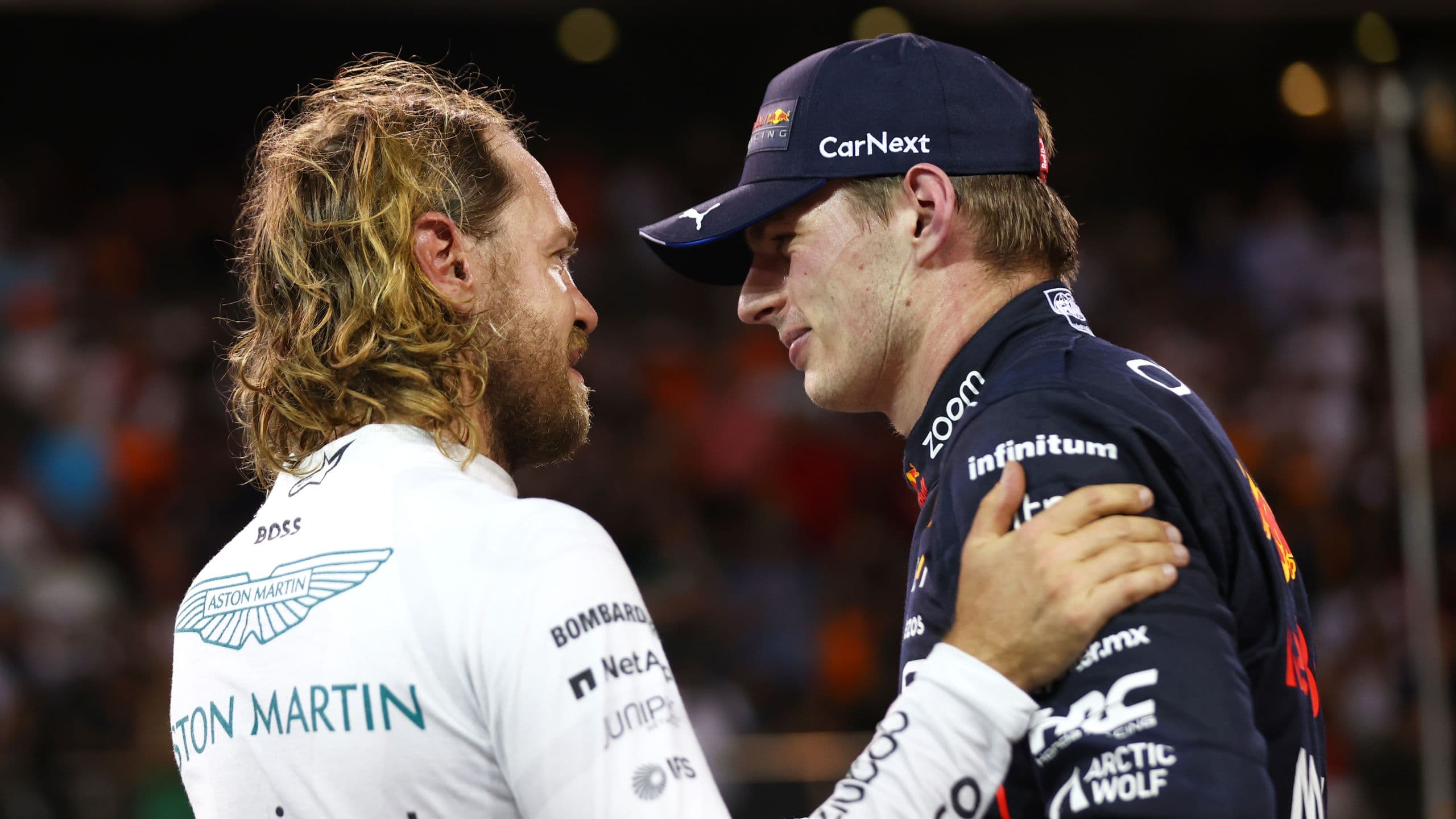
When a four-time world champion like Sebastian Vettel takes time to assess his successor in the pantheon of elite drivers, his observations carry considerable weight. In recent commentary, Vettel has articulated what many in the Formula 1 paddock perceive but few dare articulate so candidly: the most frightening aspect of Max Verstappen's motorsport arsenal isn't simply his current level of performance, but rather his seemingly unstoppable trajectory of continued improvement, even during seasons when Red Bull Racing's machinery fails to provide a clear advantage.
This assessment arrives at a particularly intriguing juncture in the sport's evolution. Despite Red Bull's apparent dominance across the 2022 and 2023 campaigns, the 2024 season witnessed a significant shift in the competitive landscape, with Mercedes and McLaren mounting formidable challenges. Yet, throughout this period of relative organizational struggle, Verstappen's performances have remained nothing short of exceptional—a reality that undoubtedly prompted Vettel's cautious reflection.
The context behind Vettel's warning
The genesis of Vettel's comment cannot be divorced from the broader narrative of the 2024 Formula 1 season. Throughout much of the year, Red Bull found itself in an unfamiliar position: defending rather than attacking. The team's aerodynamic package, which had proved devastatingly effective in previous campaigns, appeared less optimized for the evolving technical regulations and circuit characteristics presented throughout the calendar.
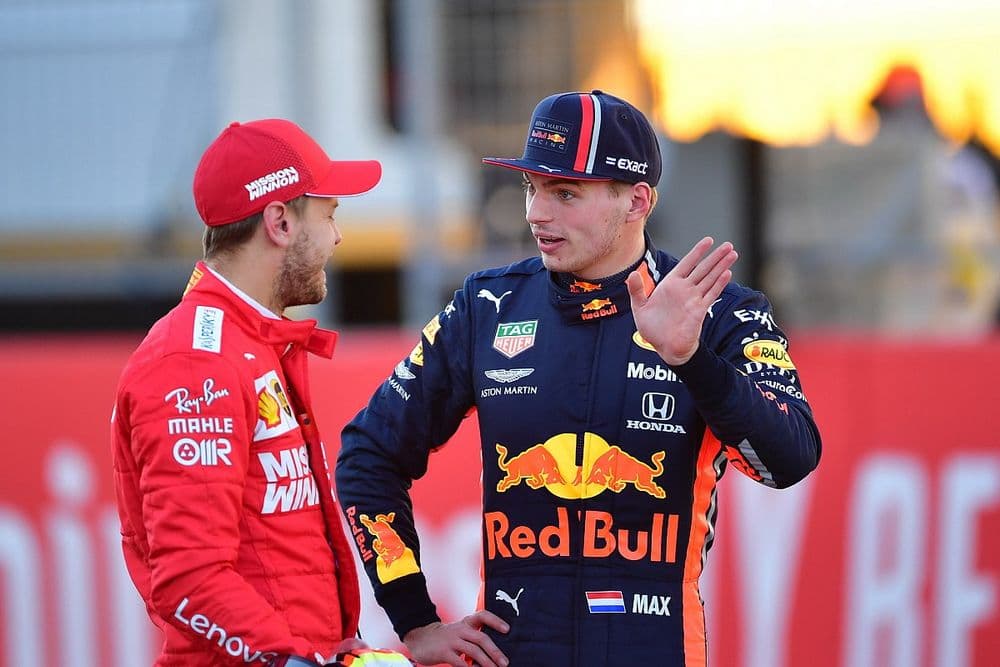
This scenario, theoretically, should have provided rivals with an opportunity to capitalize. Mercedes, under new technical leadership, demonstrated renewed competitiveness. McLaren, buoyed by the combined talents of Lando Norris and Oscar Piastri, emerged as a legitimate title contender. Ferrari continued its incremental march toward competitive relevance. Yet, despite these adversities, Verstappen continued to accumulate victories and championship points at a rate that belied the machinery's theoretical deficiencies.
Vettel's observation speaks directly to this phenomenon: the most alarming characteristic of Verstappen's driving prowess is not merely his ability to extract maximum performance from his current environment, but his demonstrated capacity to refine, adapt, and elevate his performances even when external circumstances dictate otherwise. This represents a qualitative distinction that separates generational talents from those who merely accumulate championships during periods of organizational dominance.
The statistical dimension: comparing two eras
To contextualize Vettel's assessment, the statistical divergence between these two drivers at comparable career stages provides illuminating perspective. At the age of 28, Verstappen had accumulated 67 Grand Prix victories, significantly outpacing Vettel's 40 wins at the same juncture. However, this differential reflects far more than individual driver capability; it encompasses the evolution of competitive machinery, calendar expansion, and the organizational structure of championship-winning teams across different eras.
Vettel rose to prominence during an era when Ferrari's financial resources and technical prowess positioned the Scuderia at the sport's forefront. His four championships between 2010 and 2013 were achieved primarily through a combination of technical excellence and strategic organizational advantage. Conversely, Verstappen's ascendancy coincided with Red Bull Racing's transformation into a championship-winning juggernaut under Christian Horner's stewardship and with the advent of the hybrid power unit era.
Yet the comparison underscores a fundamental truth: while circumstance and machinery undeniably facilitate championship victories, the underlying driver capability must necessarily precede and enable such achievements. Verstappen's statistical advantage at age 28 cannot be entirely attributed to machinery superiority; rather, it reflects a driver of exceptional talent operating within an organization capable of harnessing that talent to maximum effect.
The evolutionary aspect: why continued improvement matters
Vettel's specific emphasis on Verstappen's trajectory of improvement rather than his current absolute performance level represents a sophisticated understanding of motorsport dynamics. In Formula 1, drivers typically reach performance plateaus following their early championship seasons. The margin for incremental improvement narrows considerably once a driver has accumulated championships and consistently competed at the sport's highest level.
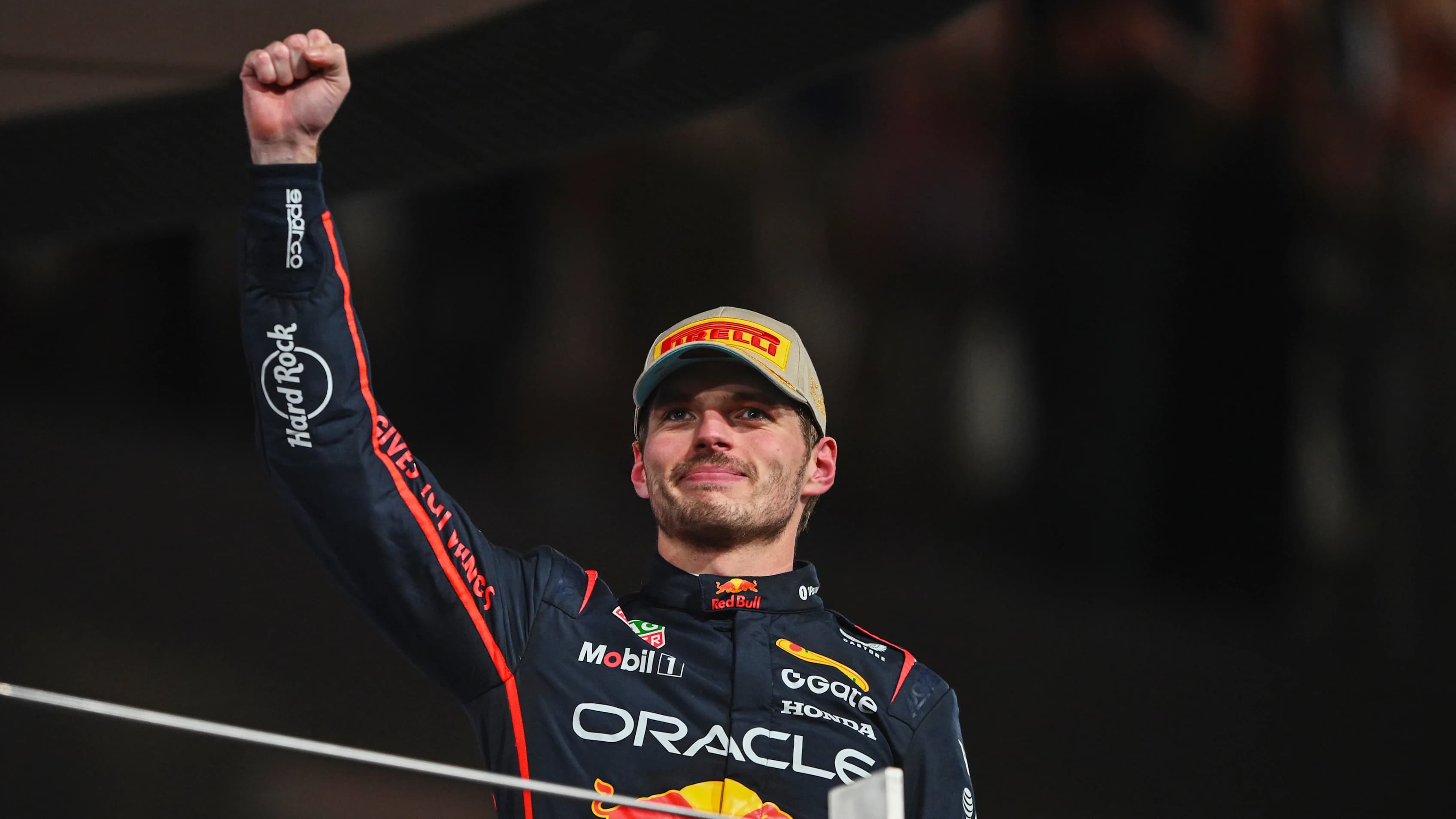
Yet Verstappen appears to have transcended this conventional trajectory. Season after season, observers witness refinements in racecraft, enhanced consistency in qualifying performance, sophisticated tire management across varied track characteristics, and an almost prescient understanding of strategic positioning throughout Grand Prix events. These improvements accumulate insidiously, creating a compounding competitive advantage that manifests in the final championship standings.
This phenomenon particularly manifests during seasons when the machinery fails to provide an overwhelming advantage. A driver operating at an already-elevated performance ceiling would, theoretically, struggle to produce meaningful gains when external circumstances deteriorate. Conversely, a driver genuinely capable of continued development demonstrates capacity to extract marginal tenths from every available resource: setup optimization, driver technique refinement, strategic adaptation, and psychological resilience.
The 2024 season provided a compelling case study. Despite Red Bull's technical challenges, Verstappen's performances in qualifying and races frequently positioned him at the championship frontier, suggesting that driver performance, rather than purely mechanical advantage, drove outcomes. This represents precisely the scenario that would produce Vettel's cautious assessment: a driver who improves not despite organizational limitations but seemingly independent of them.
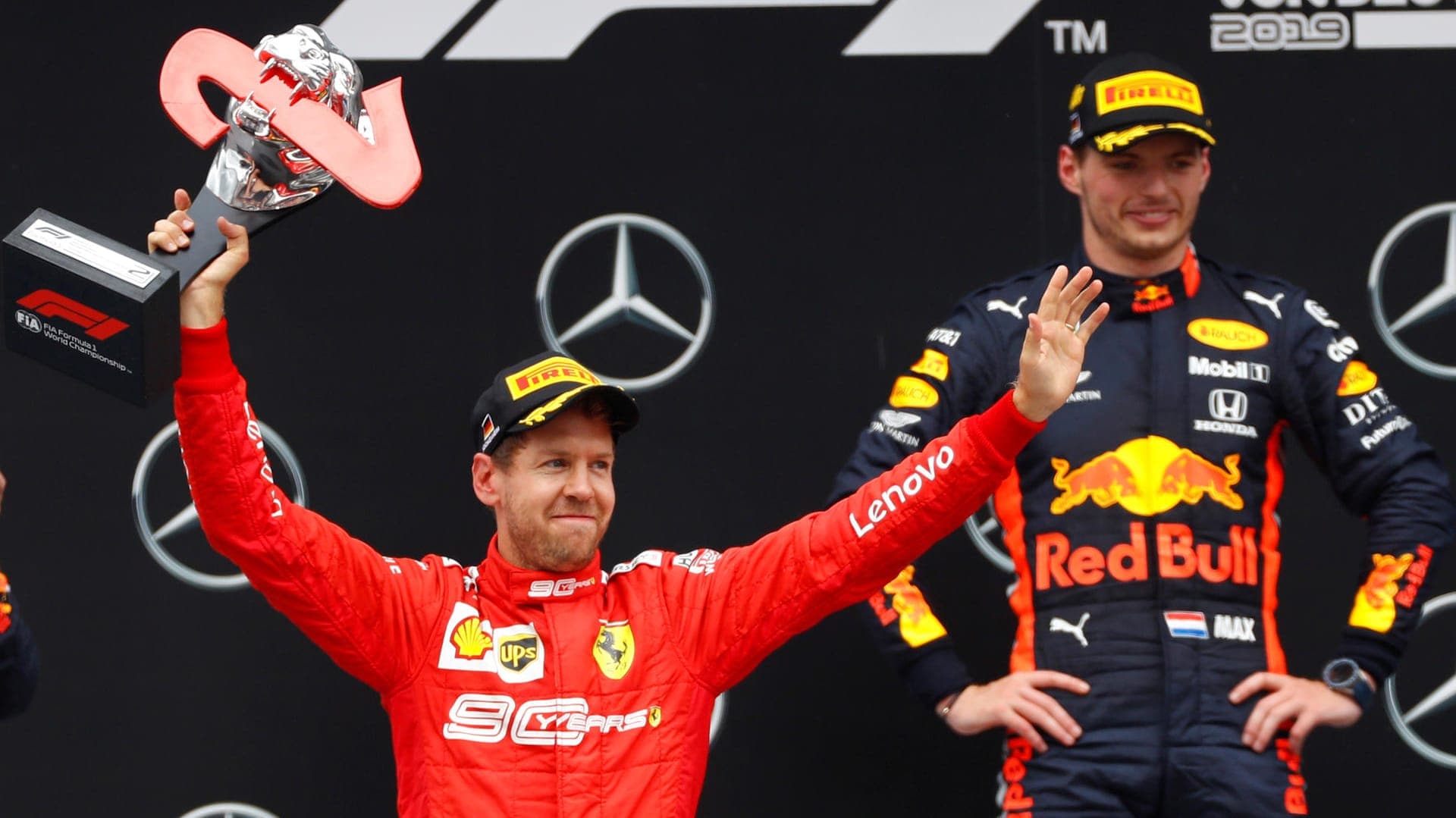
The generational comparison: Vettel vs. Verstappen as archetypes
Perhaps the most instructive framework for understanding Vettel's warning involves examining the divergent trajectories of these two drivers as representative of different generational approaches to Formula 1 excellence.
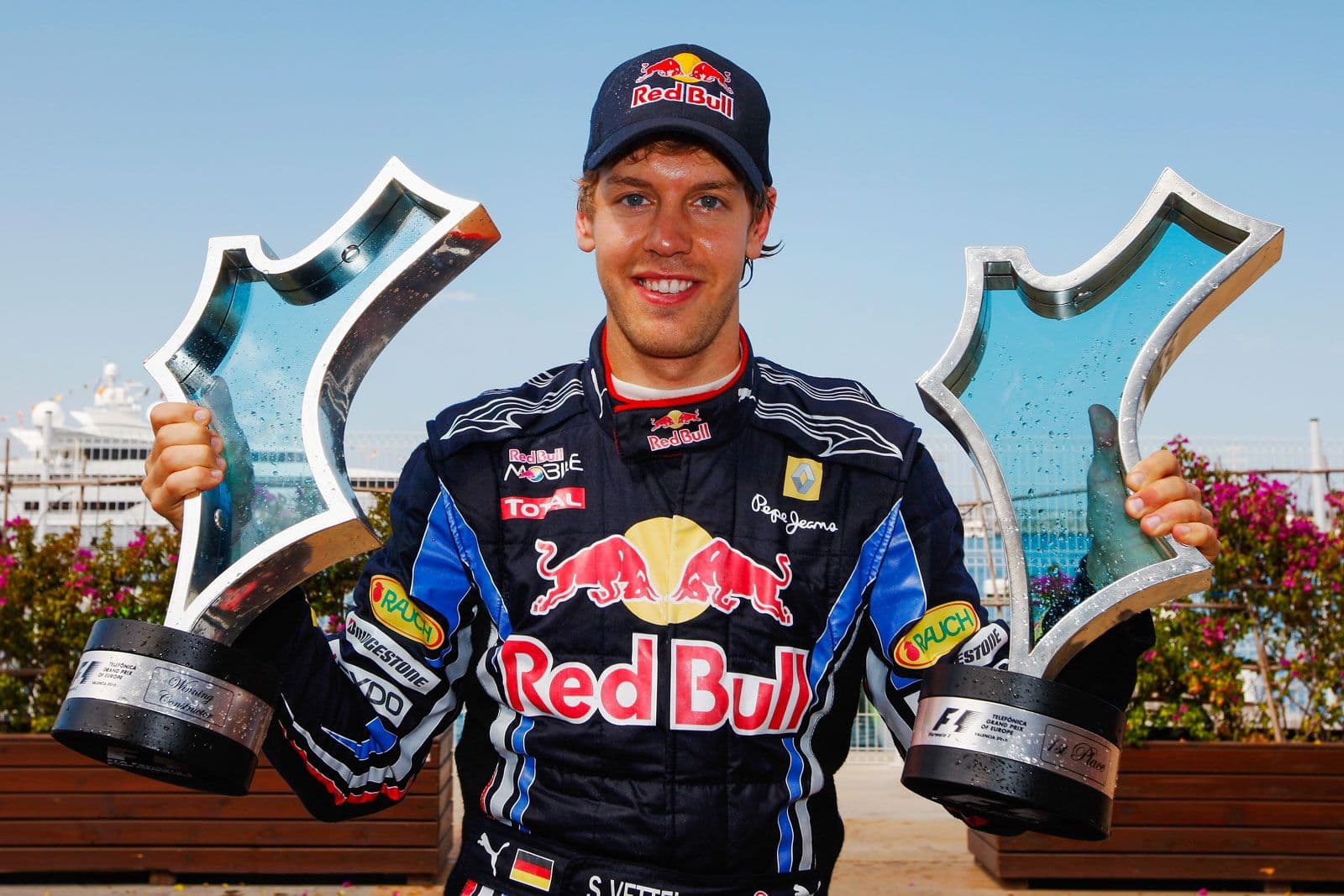
Vettel's career, while undeniably successful, followed a more conventional pathway for elite drivers. After establishing credentials in junior categories and initial F1 success with Toro Rosso, his championship victories with Red Bull came through a combination of driver talent, organizational dominance, and favorable circumstances (including regulations that remained relatively stable throughout his championship years). Subsequent struggles at Ferrari and Aston Martin, while disappointing, followed a recognizable pattern for post-championship drivers seeking new organizational contexts.
Verstappen's trajectory, by contrast, exhibits different characteristics. His rapid ascent through junior categories, accelerated F1 entry, and sustained performance at the championship frontier across varying regulatory contexts suggest a driver operating according to different parameters. More provocatively, his continued performance elevation suggests that Verstappen may represent a new performance paradigm—one wherein the typical ceiling for human performance in racing contexts is substantially higher than previously theorized.
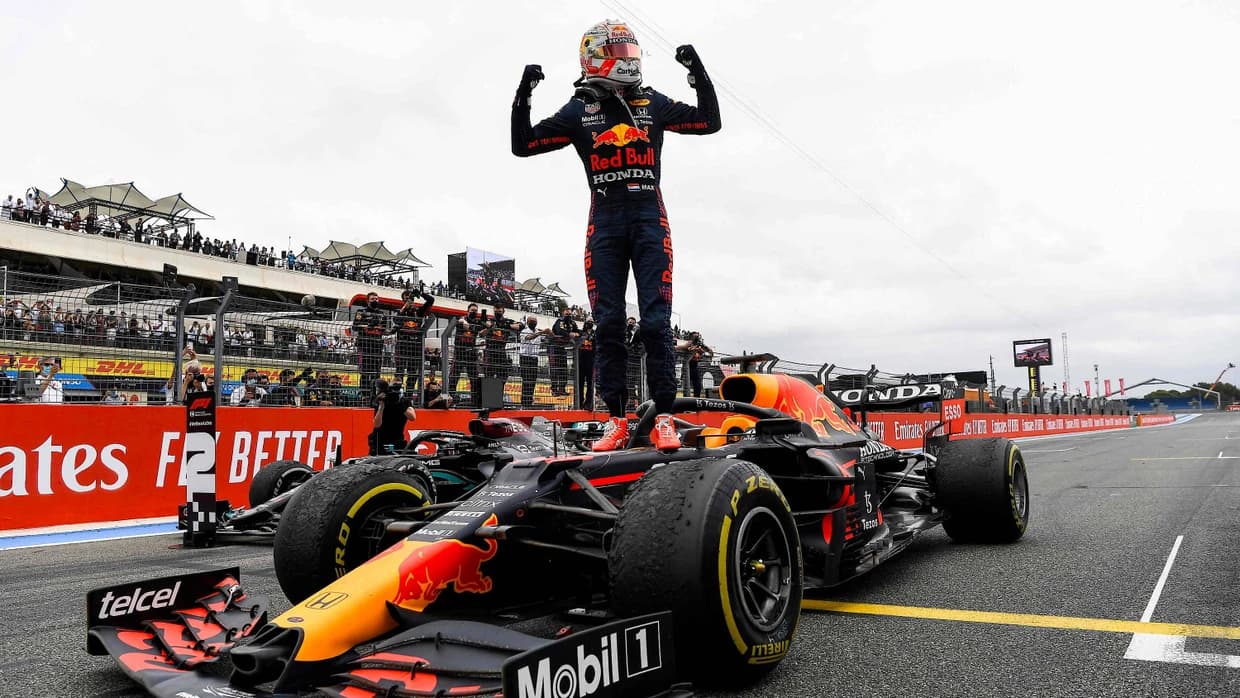
This distinction animated Vettel's warning. A driver who continues improving even when external conditions deteriorate represents a qualitatively different challenge to rivals than one whose performance correlates directly to machinery advantage. It suggests that the ceiling for Verstappen's capability remains incompletely defined, that future seasons may witness performance levels even more formidable than those currently displayed.
Technical mastery and adaptability
The practical manifestation of Verstappen's continued improvement extends across the technical dimensions of Formula 1 competition. His qualification performances have demonstrated increasing sophistication in extracting single-lap pace from diverse machinery configurations. His race starts have achieved near-mechanical consistency, eliminating a traditional source of competitive variance. His tire management—particularly during extended stints or unconventional strategic scenarios—has achieved near-prescient accuracy, suggesting profound understanding of both vehicle dynamics and tire thermodynamic behavior.
These improvements don't emerge spontaneously; rather, they reflect deliberate effort across technical, analytical, and psychological domains. Verstappen's success in maximizing performance from ostensibly inferior machinery relative to competitors suggests that the driver is capable of diagnosing setup deficiencies, communicating technical requirements to engineering personnel, and adapting driving technique to compensate for mechanical limitations. These represent capabilities that separate elite performance from championship-level competence.
Furthermore, Verstappen's demonstrated adaptability across distinct technical environments—hybrid power units versus combustion alternatives, ground effect versus aerodynamic configurations—suggests a driver whose fundamental understanding of vehicular dynamics transcends specific regulatory contexts. This universality of capability represents a rare trait in motorsport, one that Vettel himself possessed but that remains comparatively uncommon.
The championship implications
Looking forward, Vettel's warning carries substantial implications for Formula 1's competitive structure. If Verstappen genuinely continues improving, then rivals face a compounding competitive disadvantage. The margin between elite and merely competitive drivers would widen incrementally with each passing season.
Historically, driver performance trajectories include inevitable decline phases. Peak performance years typically occur between ages 28 and 35, with diminishing returns afterward. Verstappen, currently 27 years old, would theoretically be entering his genuine peak performance window. If this period coincides with continued incremental improvement across technical and tactical domains, the competitive challenges facing other drivers become correspondingly more severe.
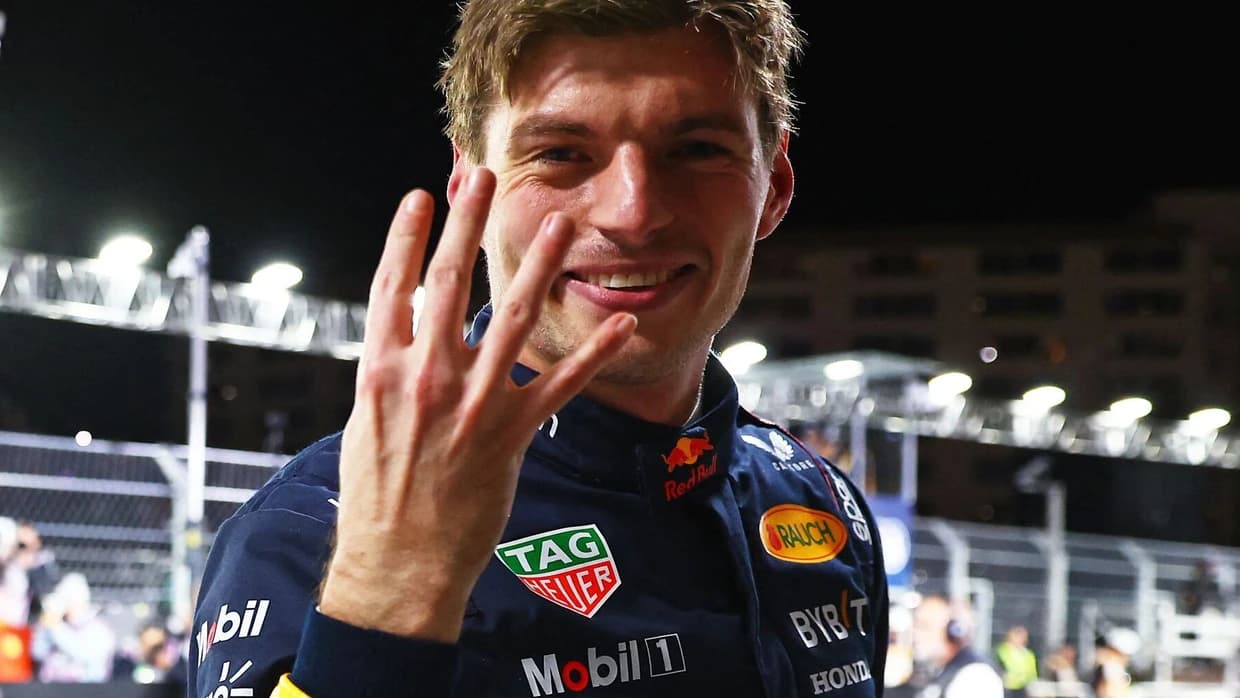
For McLaren, Mercedes, Ferrari, and other contenders, this possibility necessitates strategic recalibration. Championship victory cannot depend on Verstappen experiencing performance plateaus or declining form; rather, it demands organizational-level excellence sufficient to overcome a driver whose capabilities appear virtually boundless. Vettel's warning implicitly suggests that such organizational excellence may prove insufficient—that Verstappen's performance ceiling extends beyond what rivals can realistically counterbalance through machinery or strategic advantage alone.
Conclusion: understanding Vettel's assessment
Sebastian Vettel's characterization of Max Verstappen's improvement trajectory as "scary" reflects a sophisticated appreciation for elite athletic performance. The observation transcends conventional driver comparison; rather, it addresses a more fundamental question regarding human performance in competitive motorsport contexts.
Verstappen's continued improvement despite external adversity suggests that the driver's capabilities remain incompletely realized, that future seasons may showcase performance levels even more formidable than those currently displayed. For Formula 1 rivals, this prospect represents a daunting challenge. For the sport itself, it raises tantalizing questions regarding the ultimate ceiling for human performance in the premier racing category.
Vettel's warning, therefore, should be interpreted not as hyperbolic commentary but as informed assessment from a driver who achieved extraordinary success through talent, adaptability, and sustained excellence. When such an individual identifies continued improvement in a contemporary rival as the most alarming aspect of that rival's capabilities, the assessment merits serious consideration by everyone invested in Formula 1's competitive future.

Simone Scanu
He’s a software engineer with a deep passion for Formula 1 and motorsport. He co-founded Formula Live Pulse to make live telemetry and race insights accessible, visual, and easy to follow.