
Ferrari’s bold 2026 gamble: Leclerc, Hamilton and the early switch to new regulations

Ferrari's call to lock in an early 2026 launch and pivot resources away from 2025 is a calculated gamble that ties together long‑term strategy, Charles Leclerc's patience, and Lewis Hamilton's arrival as a catalyst for a new era at Maranello.
Ferrari fast‑forwards to 2026
Ferrari have now confirmed the launch date for their 2026 car, formally kicking off their next‑generation project under Formula 1's incoming rules. The team's leadership has been open that this decision flows directly from an early‑season call to shift development resources toward 2026, effectively capping their 2025 ambitions in exchange for a head start on the new regulations.

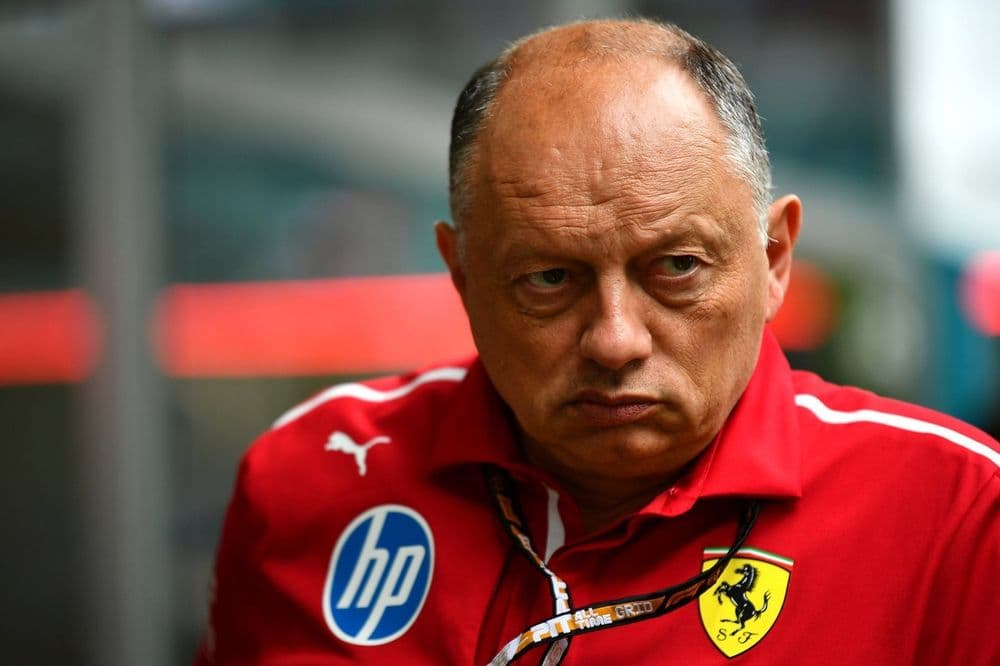
Frédéric Vasseur has explained that Ferrari switched focus "very early", around the end of April, once it became clear that the 2025 package would not deliver a sustainable title challenge. That timing meant aerodynamic and mechanical upgrades for the current car were curtailed long before the end of the season, with the factory's design and simulation effort redirected to the 2026 concept.
Why Ferrari pulled the plug on 2025
From the outside, Ferrari's 2025 campaign increasingly looked like a holding pattern, with sporadic flashes of speed but no sustained development war against McLaren and Red Bull. Vasseur has stressed that the decision was rooted in resource limitations: with the cost cap and wind tunnel/CFD restrictions, pushing hard on 2025 and 2026 simultaneously was never realistic if Ferrari wanted to lead rather than follow in the new ruleset.
Internally, the switch demanded a psychological reset. Engineers and drivers knew upgrades would dry up, and any late‑season weaknesses would have to be tolerated rather than fixed on track. In that context, the early 2026 launch date is less a marketing move and more a signal to staff and rivals that Ferrari's real benchmark is the first runs of their new‑era machine, not the final laps of 2025.

Leclerc and the 'no‑brainer' shift
Charles Leclerc has been forthright in defending Ferrari's choice, repeatedly describing the early pivot to 2026 as a "no‑brainer". In his view, once the team accepted that the 2025 car lacked the headroom to fight consistently for the title, clinging to short‑term gains would only delay the reset demanded by the 2026 regulations.
Leclerc has also admitted there was a personal cost. Races in the back half of 2025 often required him to maximise imperfect machinery, knowing the factory was already working primarily on a car he had not yet driven. Yet he has made clear that he does not regret the decision and that he wants Ferrari to be the reference point when the 2026 regulations land, even if that meant sacrificing potential podiums or wins in the closing stages of the current cycle.

Hamilton's central role in the project
Lewis Hamilton sits at the heart of this long‑term pivot, not as a short‑term superstar hire but as a driver recruited to shape Ferrari's approach to the 2026 era. Vasseur has indicated that both Hamilton and Leclerc were involved in discussions about when to turn the page on 2025 and what characteristics the 2026 car must deliver to let them fight at the front.
For Ferrari, Hamilton brings a unique frame of reference from Mercedes' hybrid‑era dominance and their own early work on 2026 power unit and chassis concepts. His feedback on driveability, energy deployment, and how to package a car around evolving aero‑mechanical demands is expected to be a core asset as Ferrari targets a step change in consistency and operating window, not just peak one‑lap performance.
What the 2026 regulations really change
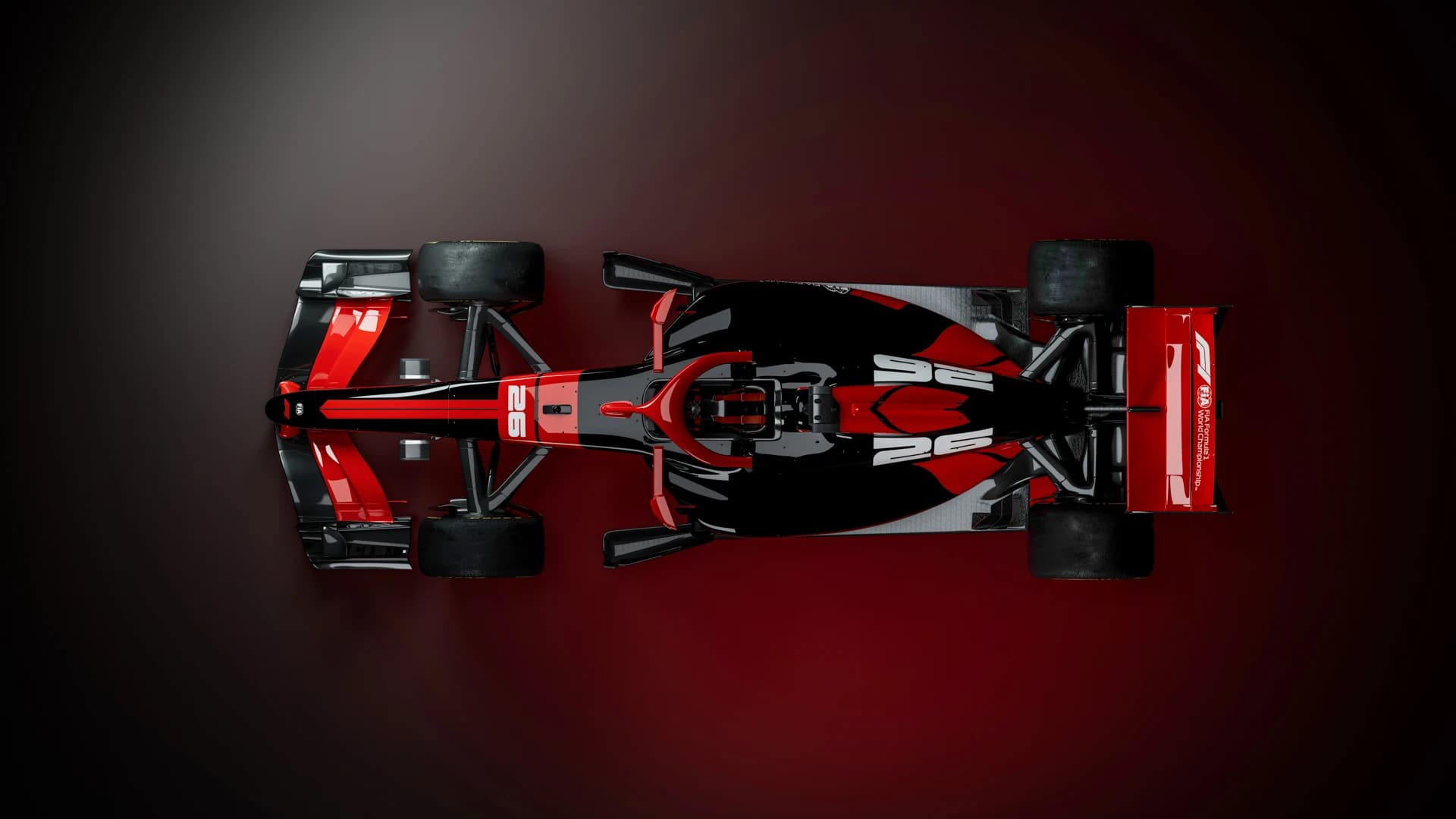
The 2026 rule set is disruptive enough that an early switch looks rational, especially for a team trying to break a title drought. The cars will be lighter and smaller, with a sharper focus on efficiency and a 50/50 split between internal combustion power and electrical energy, while the MGU‑H disappears and the MGU‑K becomes significantly more powerful.
Aerodynamically, the regulations aim for less dirty air and more reliance on active aero, changing how teams manage drag and downforce across straights and corners. For Ferrari, that opens space to rethink the entire concept: weight distribution, suspension geometry, cooling architecture, and how the chassis works with the power unit, all under tighter energy and packaging constraints.
Ferrari's 'spec A' vision for 2026
Reports around Maranello describe Ferrari's first 2026 machine as a "spec A" car, a baseline platform designed to be robust, predictable, and upgrade‑friendly rather than a wild gamble on a single radical idea. That philosophy aligns with Vasseur's broader rebuild: establish a solid, well‑understood reference, then iterate relentlessly rather than oscillate between extremes.
The early lock‑in of the launch date underscores that Ferrari want time in hand before the first race to validate correlation between wind tunnel, CFD, dyno, and track data. With 2026 bringing new power unit partners and architectures across the grid, Ferrari's ability to integrate chassis and engine efficiently will be as important as any one aerodynamic innovation.
Risks of an early all‑in strategy
The obvious risk is that the 2026 concept simply lands in the wrong performance window. If Ferrari's core architecture proves flawed, the benefit of starting early will be diluted by the time and resources needed for a mid‑cycle correction. Rivals who have split focus more evenly across 2025 and 2026 could end up with similar baseline performance but without having sacrificed as much recent competitiveness.
There is also a political and narrative risk. Ferrari's fanbase is famously demanding, and another year without a sustained title challenge will test patience, especially with Hamilton now part of the story. If early 2026 races do not show clear progress compared to McLaren, Red Bull and any resurgent Mercedes package, criticism of the early pivot will intensify quickly.
Why Hamilton and Leclerc can make it work
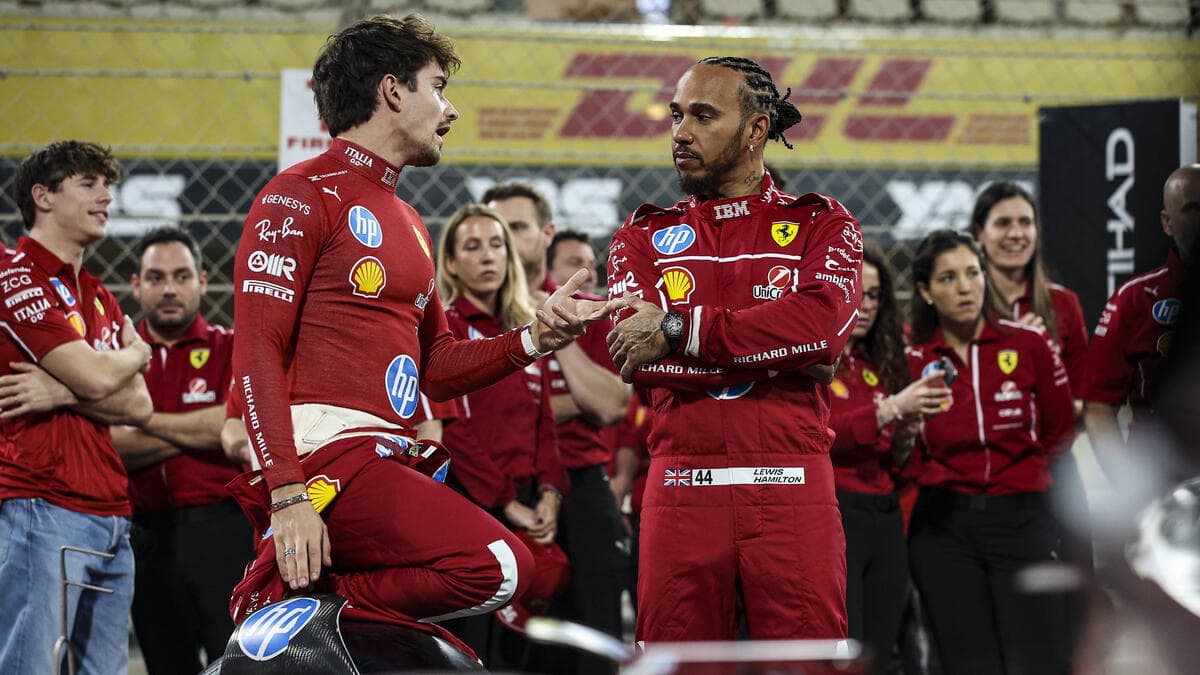
On the flip side, few driver pairings are better suited to stress‑testing a new‑era car than Hamilton and Leclerc. Hamilton has decades of experience helping guide concept evolution from first shakedown to championship‑winning refinement, particularly across regulation changes. Leclerc brings raw speed, clarity in feedback over a single lap and race distance, and intimate knowledge of Ferrari's historic weaknesses on tyre management and consistency.
If the 2026 Ferrari is in the competitive ballpark, this combination gives the team a strong chance of extracting its potential quickly and steering its development direction with precision. That is exactly the scenario the early pivot is designed for: arrive with a solid "spec A", then rely on two elite drivers and a reorganised technical structure to turn that baseline into a title‑capable platform.
Masterstroke or miscalculation?
Ferrari's 2026 play is not a marginal optimisation; it is a strategic bet that trading short‑term 2025 performance for a head start on the new rules will finally deliver the breakthrough the team has chased since the late 2000s. Leclerc's insistence that the switch was a "no‑brainer" and Hamilton's central involvement show how fully Ferrari's competitive horizon has shifted to the first laps of the 2026 season and beyond.
Whether this becomes a masterstroke or a miscalculation will be obvious quickly. The launch specification, initial test mileage, and the first three or four Grands Prix of 2026 will reveal if Ferrari's early commitment has bought them a real advantage or merely another chapter in a long, frustrating rebuild.

Simone Scanu
He’s a software engineer with a deep passion for Formula 1 and motorsport. He co-founded Formula Live Pulse to make live telemetry and race insights accessible, visual, and easy to follow.