
Mekies: here's how “our most expensive sensor” drove the RB21 comeback in 2025

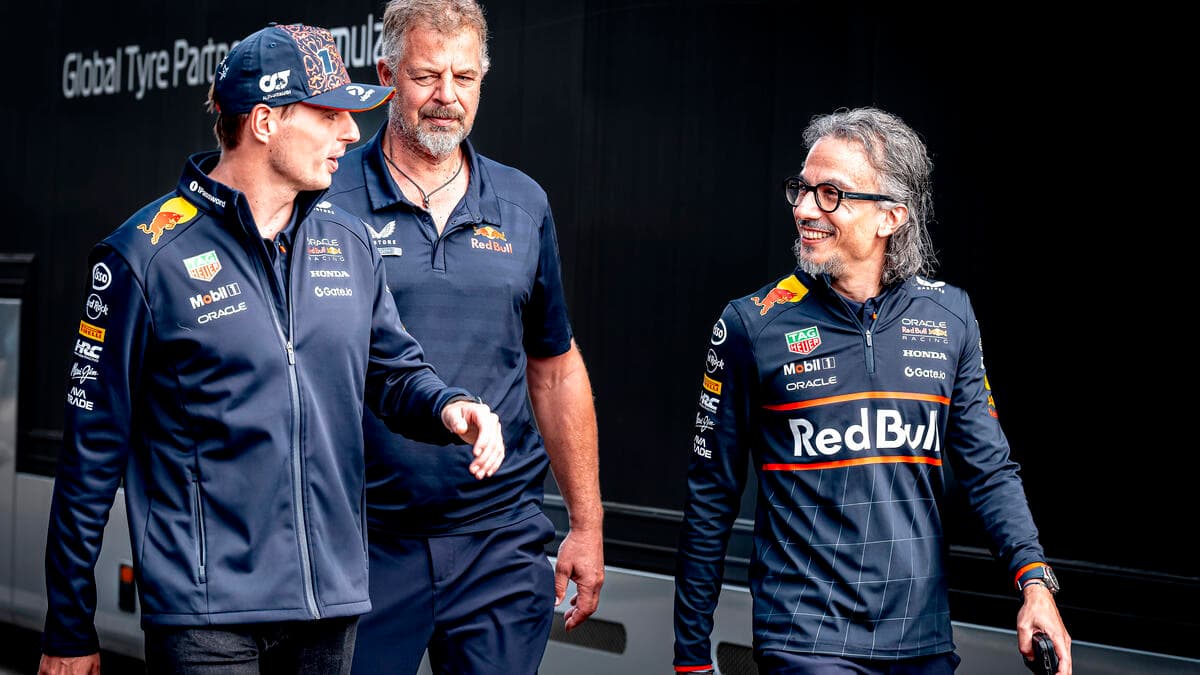
Max Verstappen’s 2025 Formula 1 campaign is being hailed inside Red Bull as the season that confirmed him not just as a generational driver, but as the team’s “best sensor” – and, as his boss jokes, also its most expensive one. Under new team principal Laurent Mekies, who took over mid-season after Christian Horner’s dismissal, Red Bull mounted an impressive recovery with the complex RB21, and Verstappen’s relentless consistency and technical input were central to that turnaround.
Mekies’ mid‑season takeover and Red Bull’s revival
When Laurent Mekies assumed control of Red Bull in the wake of Christian Horner’s departure, he inherited a team struggling to unlock the full potential of the RB21. The car was fast but capricious, demanding a deep understanding of its set‑up window and behaviour over changing track conditions, tyres and fuel loads.

Red Bull chose to keep developing the RB21 longer than many rivals, a strategic gamble that paid off as the season progressed. As upgrades began to align with what drivers were feeling in the cockpit, the car’s form improved sharply and the team came close to pulling off a remarkable comeback in both performance and results.
Verstappen’s best F1 season yet
Within that recovery, Verstappen delivered what he himself described as the best season of his Formula 1 career so far. The four‑time world champion stood on the podium at every race weekend after the summer break, underlining an extraordinary level of consistency in a field that had closed up significantly.
Even with that late‑season surge, Verstappen narrowly missed out on a fifth world title, losing the 2025 crown to Lando Norris by just two points despite winning the season‑ending Abu Dhabi Grand Prix. The slender margin of defeat highlighted both how fine the competitive margins have become and how vital Verstappen’s contributions were in keeping Red Bull in the fight until the final round.
“The best – and most expensive – sensor”
Inside Red Bull, Verstappen’s role has grown far beyond that of a driver tasked merely with extracting lap time. Mekies revealed that engineers jokingly refer to the Dutchman as “the best sensor we have in the car,” a nod to the precision and depth of his technical feedback. The joke comes with a twist: as Forbes has documented, Verstappen was once again the highest‑paid F1 driver in 2025, making him not only the best “sensor” but also the most expensive one on the grid.
Mekies stressed that what truly surprised him was not the raw speed that has been visible for years, but what happens once the visor is up and debriefs begin. According to the Frenchman, those outside the garage hear only a fraction of the radio messages, and miss the layers of nuance in how Verstappen describes tyre behaviour, balance shifts and aerodynamic traits over a stint.
The power of elite technical feedback
Mekies described Verstappen’s sensitivity in the car as “very impressive”, emphasising his ability to feel and articulate small changes in set‑up or track evolution. That sensitivity enables engineers to correlate complex data streams with human perception, turning Verstappen into a living bridge between simulation tools, wind tunnel numbers and real‑world performance.

In modern Formula 1, where cars are saturated with sensors and telemetry channels, such human input remains uniquely valuable for interpreting why a package underperforms or how to prioritise upgrades. By nailing down how the RB21 responded to tweaks in real time, Verstappen helped guide the development direction that allowed Red Bull to extract more consistent performance from an initially tricky machine.
Living and breathing motorsport
What impressed Mekies just as much as the feedback itself was the lifestyle that underpins it. He characterised Verstappen as someone who “lives motorsport day and night, literally day and night,” suggesting that no other driver on the grid immerses themselves quite so completely in the racing world. While many contemporaries seek balance through off‑track pursuits, Verstappen’s downtime is often spent in more racing rather than less.
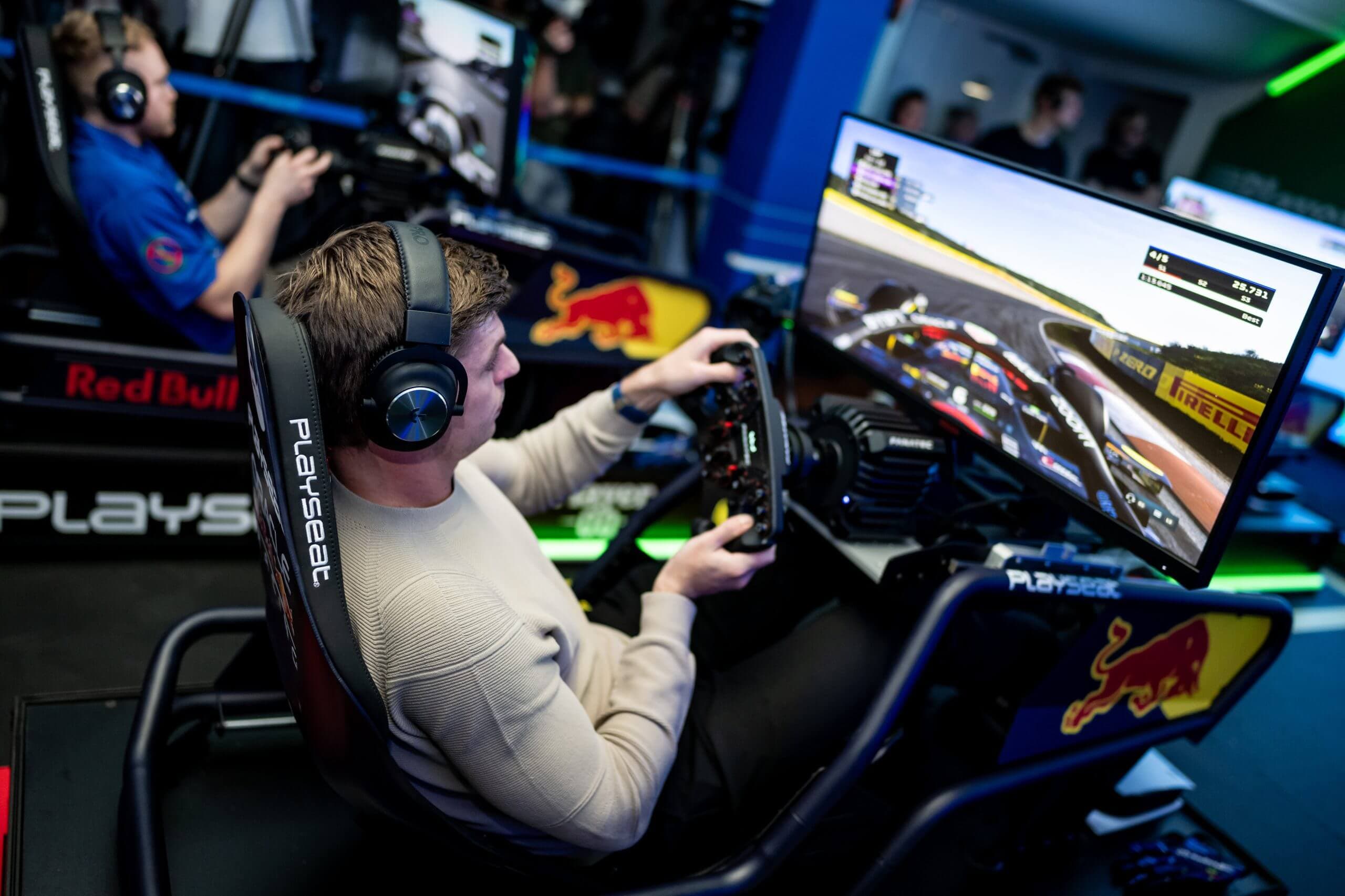
Between F1 events, Verstappen is a prolific sim racer and runs his own sim racing outfit, using virtual competition to refine racecraft, explore scenarios and stay mentally sharp. On free weekends, he frequently turns to real‑world competition in GT3 machinery, further sharpening his feel for different cars, tyres and conditions in a way his team boss admits looks “completely unreal” from the outside.
Total immersion inside the team
Mekies made clear that Verstappen’s commitment is as visible in the meeting rooms as it is on track. Far from skipping or shortening engineering briefings, Verstappen is described as completely present, merging his race driver role with that of a fully engaged project stakeholder. He uses those sessions not only to report what he feels, but to absorb information and search for the “right keys” that will align the entire organisation behind a clear development path.
That attitude became particularly crucial during Red Bull’s most challenging phase mid‑season, when the team faced questions about whether its dominance era was ending. Rather than judging from the outside, Verstappen immersed himself in the process, helping engineers and management “push in the same direction” and ensuring his feedback was fully understood and actioned across departments.
Why Verstappen still “blows away” veterans
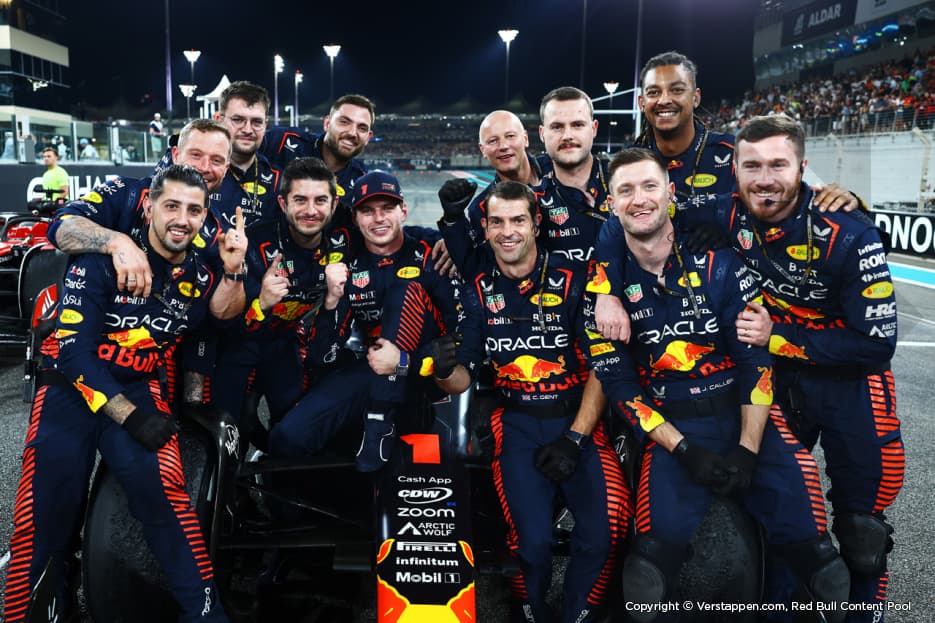
For Mekies, who has spent many years in Formula 1 and watched Verstappen’s rise from rival garages, the most striking discovery on joining Red Bull was that the Dutchman still exceeded expectations up close. Even seasoned paddock figures familiar with his “unbelievable achievements” could, in Mekies’ words, still be “blown away” when exposed to the day‑to‑day intensity of his work ethic and engagement.
That combination of outright speed, relentless consistency, deep technical understanding and total immersion in the project forms the backbone of why Red Bull was able to transform a difficult RB21 into a late‑season frontrunner. It also explains why, even in a season where the title slipped away by just two points, Verstappen’s stock within the team has arguably never been higher.

Simone Scanu
He’s a software engineer with a deep passion for Formula 1 and motorsport. He co-founded Formula Live Pulse to make live telemetry and race insights accessible, visual, and easy to follow.