

Caricamento
Caricamento

The romanticism of Lewis Hamilton in Ferrari red was supposed to be the crowning achievement of the turbo-hybrid era—a union of the sport’s most successful driver and its most iconic team. However, as the dust settles on a tumultuous inaugural season, the narrative has shifted from championship aspirations to contingency strategies. Recent reports, most notably from GPFans, suggest that Ferrari has already begun formal succession planning, identifying young prodigy Ollie Bearman as a potential long-term replacement for the seven-time World Champion.
This development marks a significant pivot in Maranello’s strategy. While Hamilton was signed to bring immediate glory and technical leadership, the reality of the 2025 season has forced Fred Vasseur and the Ferrari hierarchy to look toward the 2026 regulation reset with a more pragmatic, and perhaps ruthless, lens.
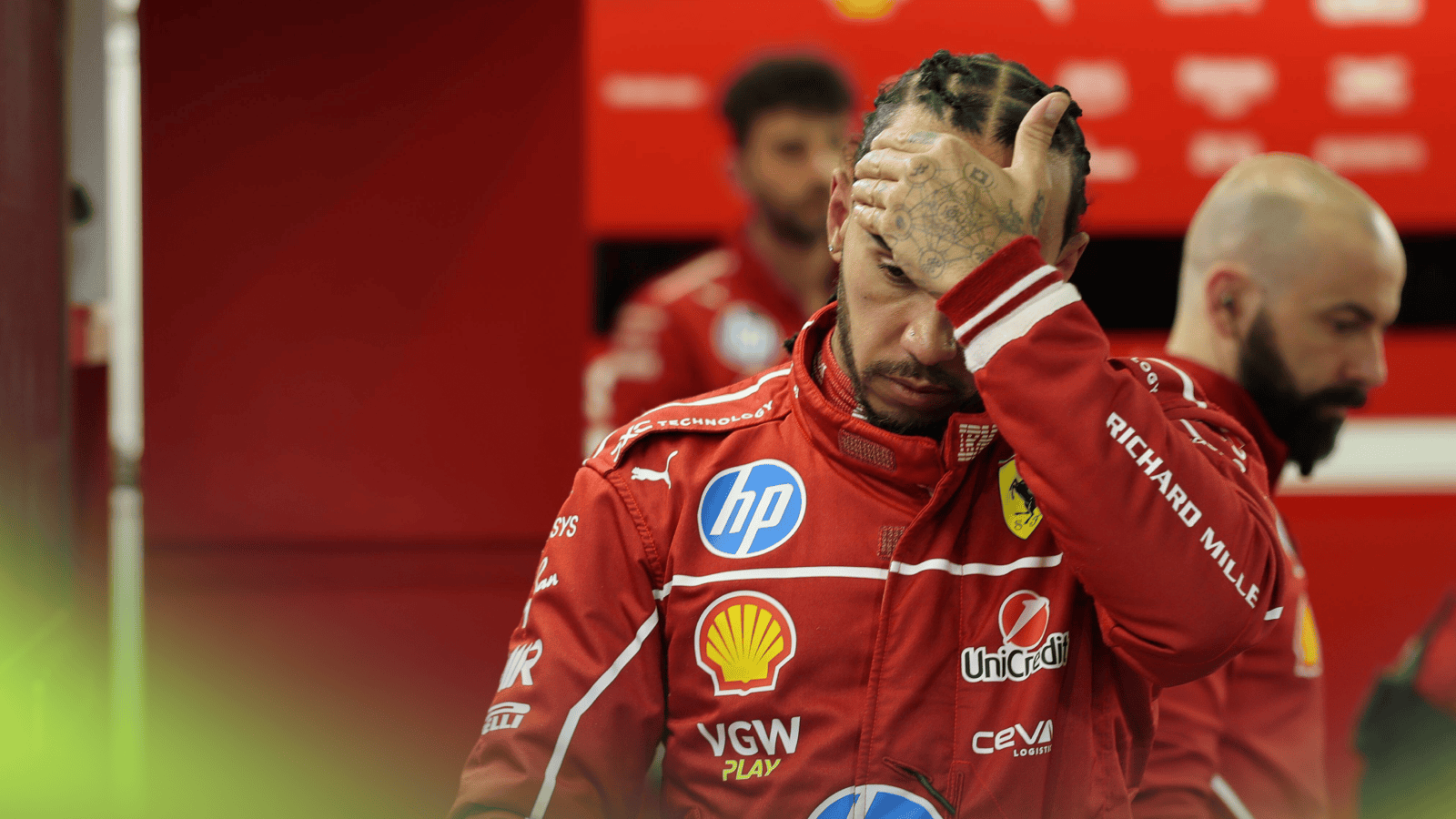
To understand why Ferrari is already discussing a post-Hamilton era, one must look at the sobering statistics of his first year in Italy. Hamilton’s debut season with the Scuderia was, by almost any metric, a professional nadir. For the first time in his illustrious career, the Briton finished a full season without a single podium appearance, languishing in a distant sixth place in the Drivers’ Championship.
The struggle wasn't merely about the car's pace; it was about the fundamental disconnect between a legendary driver and a team in transition. While his teammate Charles Leclerc managed to extract victories and consistent podiums from the SF-25, Hamilton appeared at odds with the car’s handling characteristics and the team’s operational flow. This performance gap has created an uncomfortable atmosphere within the hallowed halls of Maranello, leading many to wonder if the "Hamilton Effect" was a myth or simply a case of the right driver at the wrong time.
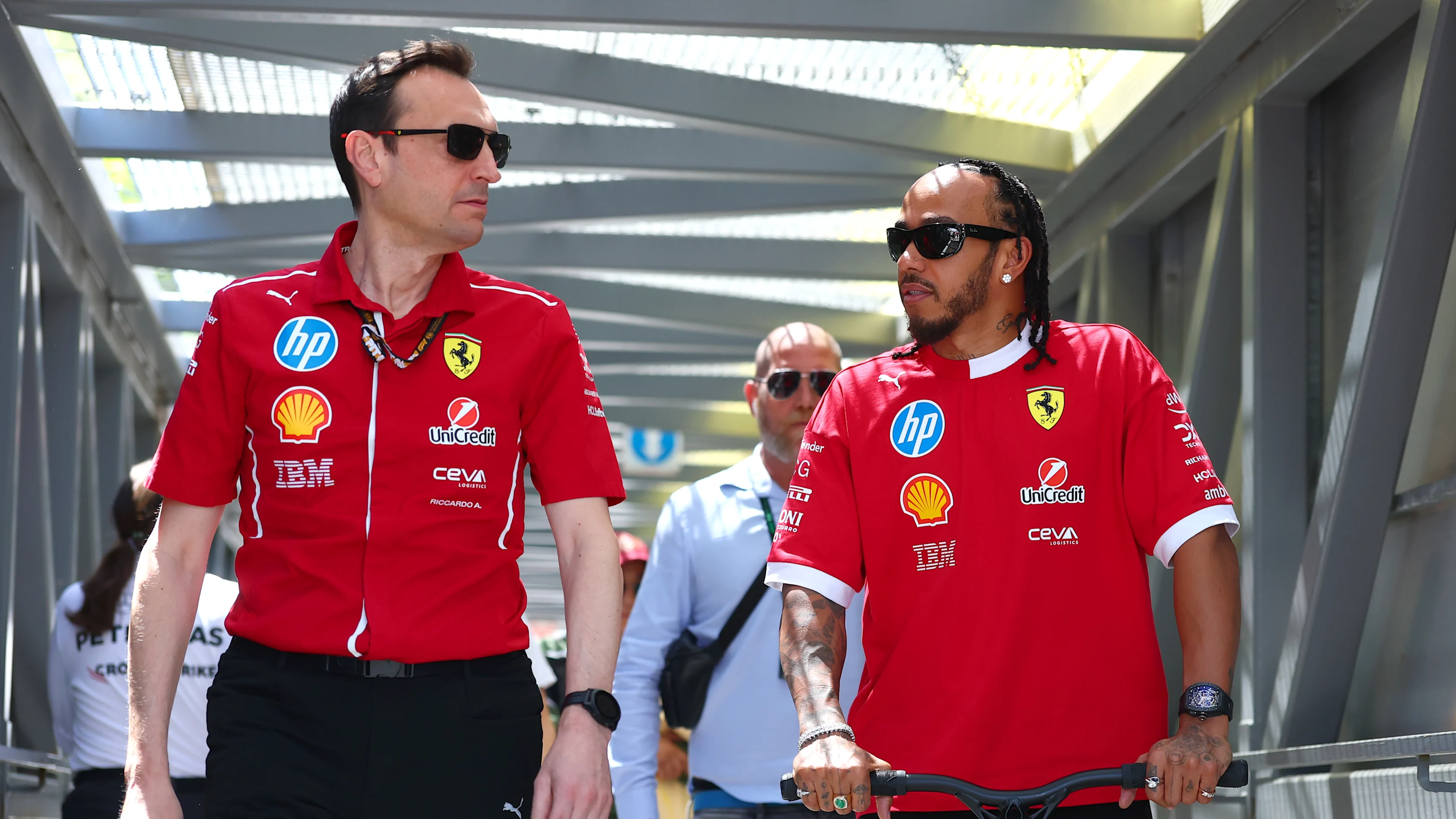
Beyond the lap times, the internal dynamics at Ferrari have shown signs of significant strain. Central to this is Hamilton’s relationship with his race engineer, Ricardo Adami. Adami, a veteran of the team who famously worked alongside Sebastian Vettel, has found himself at the center of a public discourse regarding Hamilton’s integration.
Team principal Fred Vasseur has been uncharacteristically blunt about the situation. Vasseur recently hinted at a potential reshuffle for the 2026 season, suggesting that the "collaboration" between the driver and the engineering booth needs to evolve. In the high-stakes world of Formula 1, "evolving the collaboration" is often code for a personnel change. If Hamilton cannot find a rhythm with Adami, Ferrari seems prepared to restructure the support system around him—or, more drastically, prepare for a future without him.
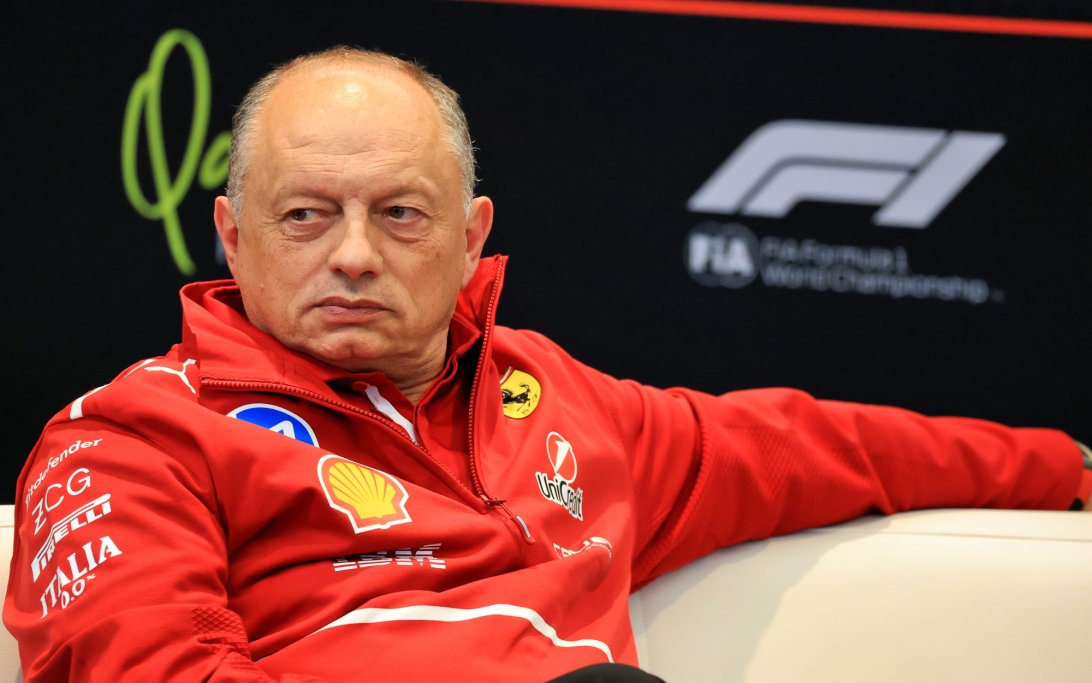
Adding fuel to the fire is the intervention of former Ferrari boss Maurizio Arrivabene. Known for his "iron fist" approach, Arrivabene issued a stern warning to Hamilton, suggesting that if the Briton tries to change too much within the Ferrari ecosystem, it could be "game over." This sentiment reflects a deep-seated cultural pride within Ferrari; the team believes the brand is bigger than any driver, even one with seven world titles.
The urgency behind Ferrari’s succession planning is driven by the looming 2026 regulation changes. This isn't just a minor tweak to the rulebook; it is a fundamental reimagining of the Formula 1 power unit and chassis. With a 50/50 split between internal combustion and electrical power, and the introduction of fully sustainable fuels, 2026 represents a "Year Zero" for the grid.
For Ferrari, the 2026 season is the ultimate target. The team is pouring immense resources into their new power unit, and they cannot afford to enter this new era with a driver lineup that is either mismatched or nearing the end of its competitive tether. If Hamilton’s struggles continue into the early part of next year, the logic for a transition becomes undeniable. Ferrari needs a driver who can grow with the new regulations over a five-year cycle, rather than a legend who may only have one or two seasons of top-tier performance left.
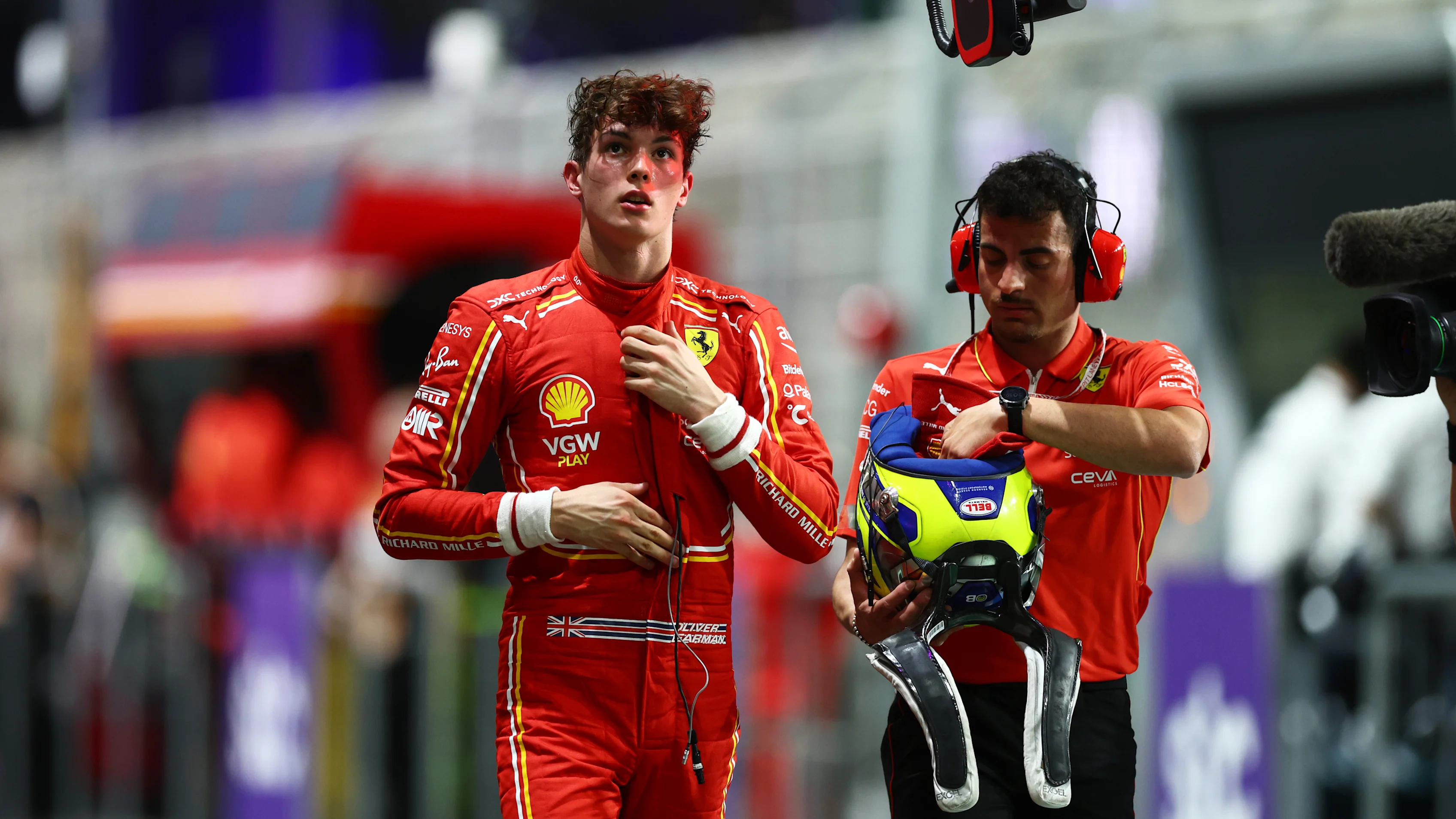
The name at the top of Ferrari’s list is no surprise: Ollie Bearman. The young Briton’s stock rose exponentially following his sensational debut as a stand-in for Carlos Sainz in Saudi Arabia, where he scored points under immense pressure with virtually no preparation.
Bearman represents everything Ferrari needs for the next generation. He is a product of the Ferrari Driver Academy (FDA), meaning he is already steeped in the team’s culture and technical language. His performance at Haas has further validated his maturity and raw speed. By positioning Bearman as the heir apparent, Ferrari is sending a clear message: they are returning to their roots of nurturing internal talent, a strategy that served them well with Charles Leclerc.
The "succession planning" reported by GPFans suggests that Bearman isn't just a backup; he is a strategic asset. Whether he replaces Hamilton in 2026 or 2027, the groundwork is being laid now to ensure a seamless transition.
For Lewis Hamilton, being the subject of succession talk so early in his Ferrari tenure must be a bitter pill to swallow. Throughout his career at McLaren and Mercedes, Hamilton was the undisputed sun around which the team orbited. At Ferrari, he is finding that the gravity of the "Prancing Horse" is far stronger than his own.
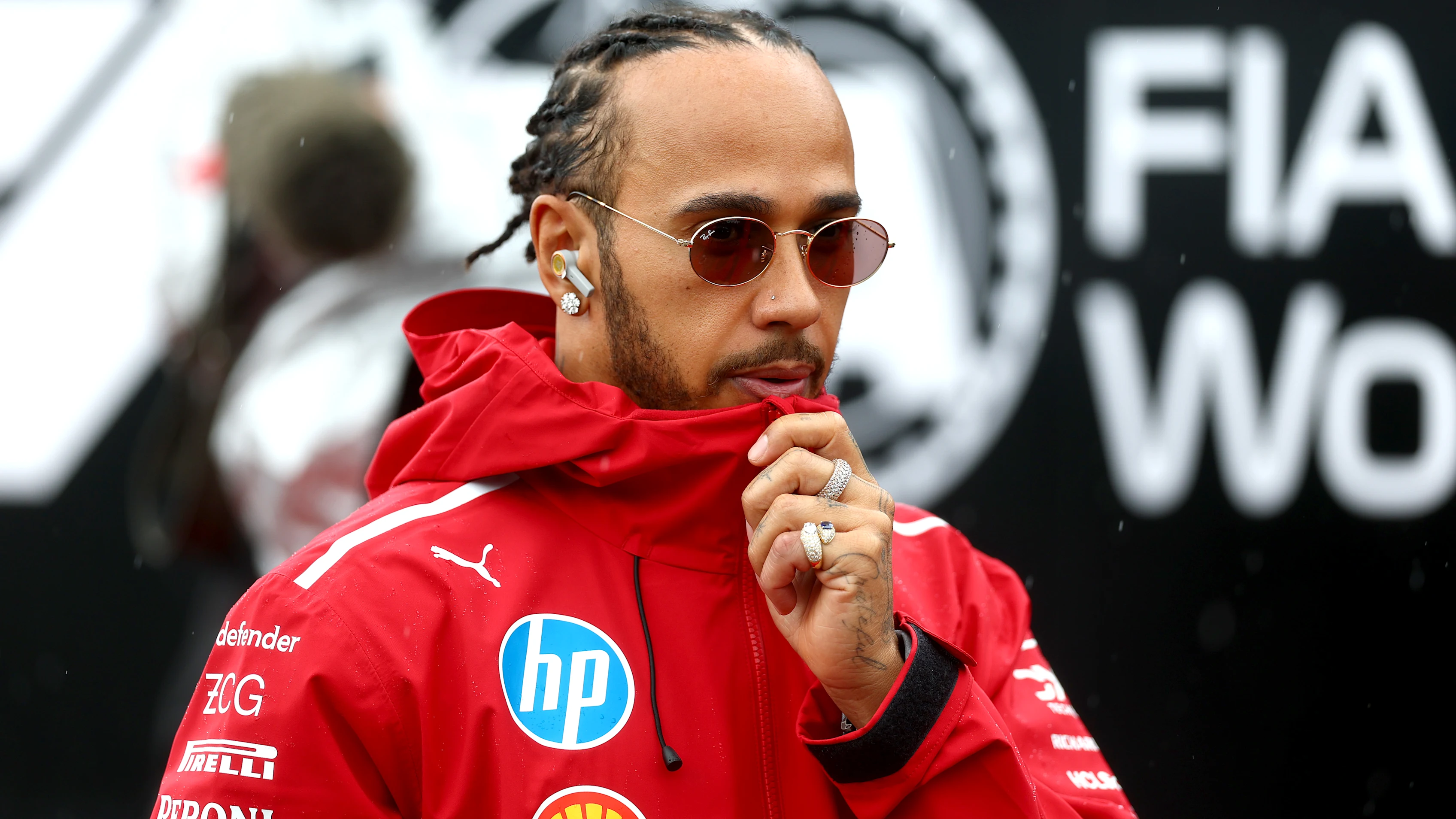
The pressure of the Italian media, combined with the public comments from Vasseur and Arrivabene, creates a "pressure cooker" environment. Hamilton has always thrived on being the underdog or the leader of a crusade, but at Ferrari, he is being asked to be a cog in a very old, very proud machine. If he cannot adapt his driving style to the SF-26 and find a way to lead the technical development, the calls for Bearman will only grow louder.
Ferrari’s decision to go public—or at least allow leaks—regarding their succession planning is a calculated move. It serves as a motivational tool for Hamilton, a signal of intent to the Tifosi, and a clear career path for Bearman.
The 2026 season will be the ultimate arbiter of this saga. If Hamilton can master the new regulations and return to the podium, the succession plans will remain in a drawer. However, if the trend of 2025 continues, the transition to the Bearman era may happen sooner than anyone expected. In the world of Ferrari, the future waits for no one—not even the greatest of all time.
As we look toward the next two years, the question isn't just whether Hamilton can win in a Ferrari, but whether he can survive the internal politics of a team that is already planning for life after him. The "Bearman Shadow" is now officially looming over the Maranello garage.

È un ingegnere informatico con una grande passione per la Formula 1 e gli sport motoristici. Ha co-fondato Formula Live Pulse per rendere accessibili, visibili e facili da seguire i dati telemetrici in tempo reale e le informazioni sulle gare.
Vuoi aggiungere un commento? Scarica la nostra app per partecipare alla conversazione!
Commenti
Nessun commento ancora
Sii il primo a condividere i tuoi pensieri!